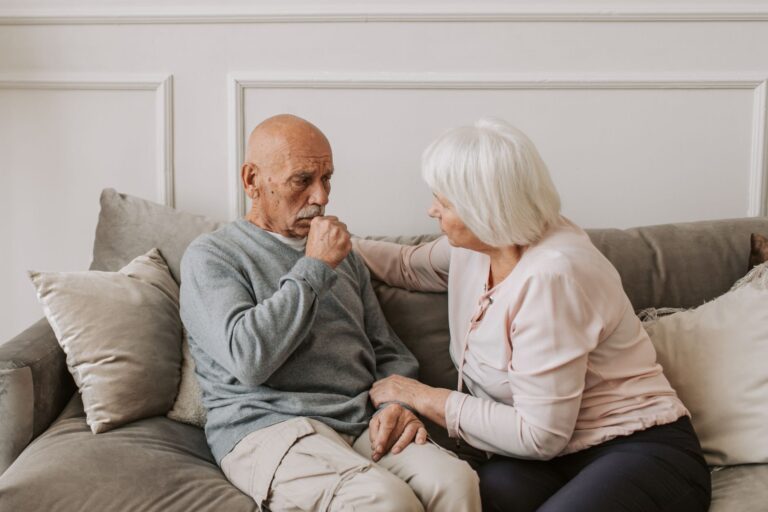
Loose cotton clothes, steady room air near 22.5°C, and quiet meals with lukewarm, soft food ease sensory overload in dementia. Sensory overload means the brain struggles to filter textures, noise, drafts, and tastes at once, which can trigger distress or agitation.
Small shifts help because dementia heightens reactions to touch, temperature, sound, and flavor. Caregivers can adjust fabric, air, light, sound, and food at home or in care settings. The steps below show what to try first.
Medical information disclaimer: This article is for general educational purposes only and does not provide medical advice, diagnosis, or treatment. Always consult a physician or other qualified health professional about symptoms, medications, tests, or treatment decisions.
Table of Contents
- Choose clothes that reduce struggle
- Keep room air in the calm zone
- Lower noise before adding pleasure
- Make meals quiet, simple, and safe
- Adjust to the person
Choose clothes that reduce struggle
Choose loose, soft cotton with elastic waistbands for daily wear. The National Institute on Aging recommends large zippers or hook-and-loop fasteners instead of buttons, buckles, or laces in its dressing and grooming guidance. Fewer small closures reduce pulling, fumbling, and skin pressure.
Lay out one outfit at a time in wearing order. Avoid tight collars, stiff seams, and hard waistbands. Keep two or three liked outfits in rotation. Medical News Today, reporting a dementia-care guide, notes that soft textiles and familiar objects can support residents when care addresses all senses together.
- choose loose-fitting cotton tops and pants
- look for elastic waistbands
- choose large zippers or hook-and-loop fasteners over buttons, buckles, and laces
Keep room air in the calm zone
Heat and cold build up over hours. Nursing-home residents with dementia showed more frequent and intense agitated behaviors after cumulative exposure outside their comfort zone over 10 months. University of Wollongong researchers measured the change with the Cohen-Mansfield Agitation Inventory, as described in this thermal comfort report. News-Medical, reporting Tartarini and colleagues, lists about 20-26.2°C as a desirable comfort band.
Agitation rose when averages moved away from about 22.6°C. Disruptiveness was lowest near 22.5°C, with no exposure below 20°C or above 26°C. Watch for drafts from windows, fans, and vents. Adjust the thermostat in small steps and recheck comfort, clothing, and bedding.
Lower noise before adding pleasure
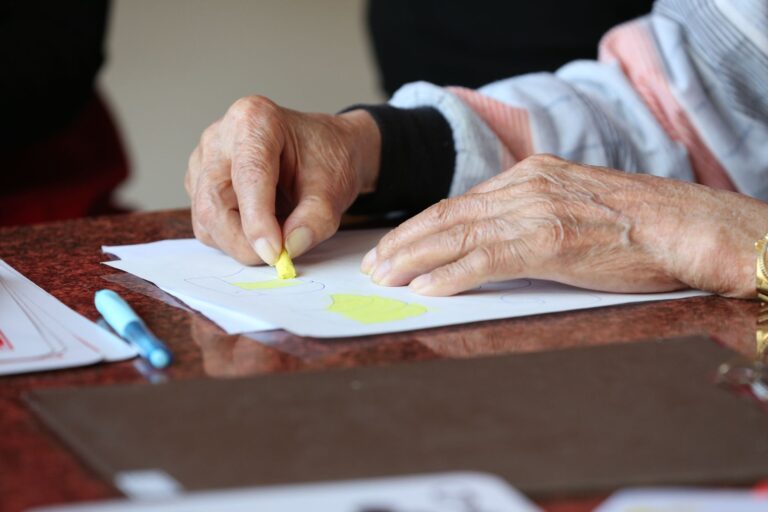
Turn down competing input before you add pleasant input. The Alzheimer's Association advises shutting windows and doors and turning off the television to cut competing noise before offering music or art in its art and music guidance.
Then add one gentle pleasure at a time. Medical News Today, reporting a dementia-care guide, notes that soft textiles, familiar objects, pleasant smells and tastes, plus gentle sound and film can support residents with Alzheimer's or other dementias when spaces address all senses.
- shut windows and doors
- turn off the television
- offer music or art after the room is quiet
Make meals quiet, simple, and safe
Make the eating area quiet and unhurried. The National Institute on Aging advises making the space quiet, turning off TV and radio, offering just one food at a time, allowing extra time, and cutting food small and soft to ease chewing and swallowing in its tips for helping people with Alzheimer's eat well.
Test heat because dementia can blunt hot and cold perception. Homage, in its dementia eating guide, warns that too-hot food risks burns and advises testing temperature, serving smaller portions that stay warm, and asking simple checks like too hot or cool enough.
- clear the table and reduce noise
- serve one soft, small-cut food at a time
- test warmth and serve lukewarm bites
Adjust to the person
The temperature finding comes from only 21 residents in one nursing home over 10 months, in the original study by Tartarini and colleagues. That scope supports starting near 20-26°C, choosing soft elastic clothing, and serving tested lukewarm food.
Use those points as a starting plan. Track what eases distress for each person and adjust fabric, warmth, noise, and food texture to fit.