Watercolor painting supports engagement in dementia care by letting people express themselves and hold attention without using memory or learning new skills. It offers choice, color, and conversation across early and later stages.
Engagement means staying involved through looking, choosing, moving the brush, and responding to others. The Alzheimer's Association says music and art enrich lives of people with Alzheimer's by allowing self-expression and engagement even after dementia has progressed Alzheimer's Association guide to art and music. That makes painting a practical option when words and memory fade.
Medical information disclaimer: This article is for general educational purposes only and does not provide medical advice, diagnosis, or treatment. Always consult a physician or other qualified health professional about symptoms, medications, tests, or treatment decisions.
Table of Contents
- Why watercolor needs no memory to work
- How participation changes with stage
- How to run a calm painting session
- What results are realistic
Why watercolor needs no memory to work
Memories in the Making is the Alzheimer's Association art program that uses watercolor for expression. Near Southside Inc., describing the program, reports people with severe memory loss can take part without needing to know, remember, or learn new skills description of the Alzheimer's Association program. The paint, water, and brush carry the action, not recall.
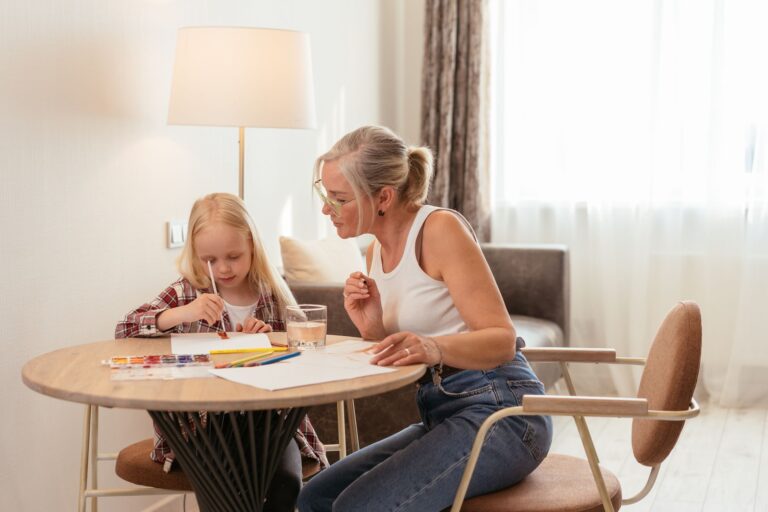
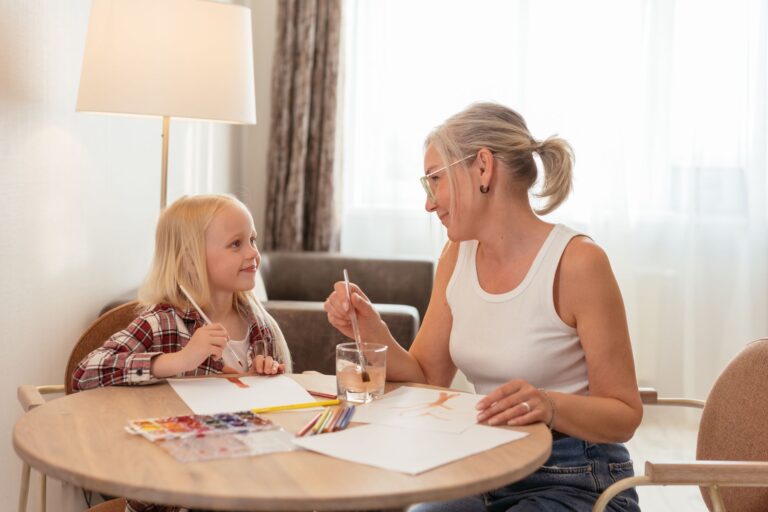
This lowers pressure to perform. With no right picture and no steps to memorize, a person can start, pause, and still belong. The carer can focus on presence, not correction.
How participation changes with stage
Near Southside Inc., describing the Alzheimer's Association program, notes people in early stages often paint liked subjects and tell life stories. A familiar house, garden, or animal can start talk. The carer listens, follows the story, and lets painting pace talk.
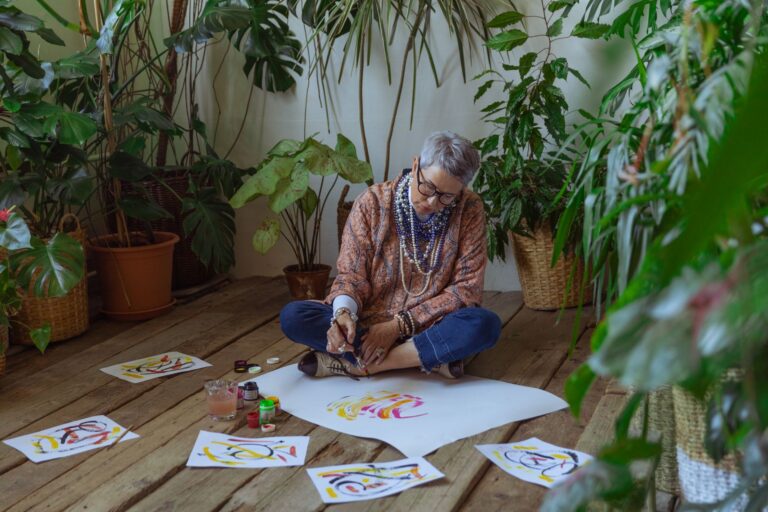
In later stages, the same account says people may make abstractions with poetic titles. Color choice, movement, and naming become the voice. The carer accepts the title, shows the work, and stays with the moment.
How to run a calm painting session
Match the task to the person, not the diagnosis. The Alzheimer's Association advises keeping art projects at adult level and avoiding childlike tasks for middle-to-late-stage Alzheimer's. Tailor choice to past interests and present energy.
Stay close and keep prompts short. Comment on color and movement, ask one question at a time, and stop when focus fades. Keep the finished sheet for next talk.
- Offer two adult choices linked to life, like garden flowers or harbor boats.
- Keep tools simple and steps open, with time to pause.
- Talk, encourage, and reminisce during making and looking.
What results are realistic
A rapid review from the Centre for Evidence-Based Medicine looked at smaller studies of art therapy in dementia rapid review on home activities for dementia. It reported art therapy engages attention, is enjoyable, and improves neuropsychiatric symptoms, social behaviour and self-esteem. Here that term means distress-linked changes such as agitation, anxiety, or withdrawal.
The same review also found home activities led by family carers may help cognition and mood. A Cochrane review included only 2 randomized trials with 60 participants total and rated the evidence very low Cochrane abstract on art therapy for dementia. It concluded there is insufficient evidence of efficacy. Treat watercolor as a way to support time together, not as proven treatment.
You Might Also Like
- Watercolor Painting for Dementia: How to Adapt the Activity by Stage
- Young-Onset Dementia Cost Gaps Identified by NIA in 2026: Questions Spouses and Partners Can Ask Local Care Programs
- Unpaid Dementia Care Costs in the 2026 NIA Summit Report: Questions Spouses and Partners Can Ask Local Care Programs