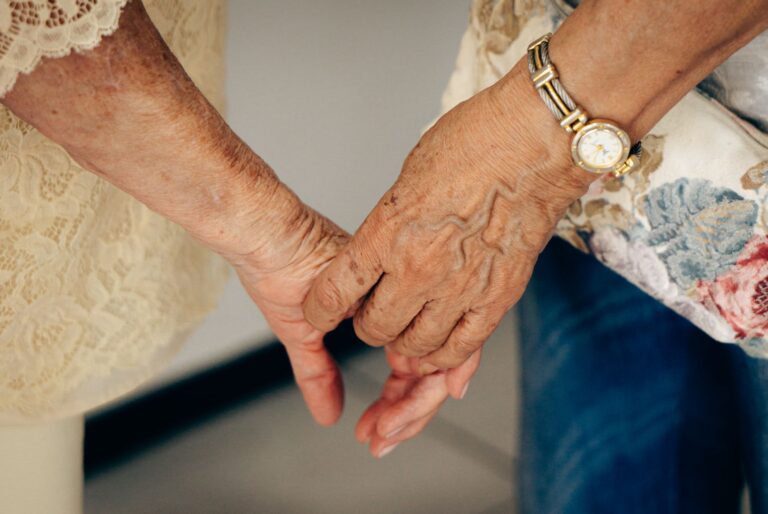
Chronic loneliness with a family history of Alzheimer's means added brain risk, so ask your doctor about personal risk, testing options, and prevention steps. Alzheimer's disease is a progressive disorder that damages memory and thinking over time. National Institute on Aging research ties long-term loneliness to higher dementia risk, and close family history further raises risk. Clear questions help you turn that worry into a focused medical visit.
Medical information disclaimer: This article is for general educational purposes only and does not provide medical advice, diagnosis, or treatment. Always consult a physician or other qualified health professional about symptoms, medications, tests, or treatment decisions.
Table of Contents
- How Do Loneliness and Family History Affect Risk?
- What Should You Ask Your Doctor?
- Which Daily Risks Should You Review?
- When Should You Seek Prompt Evaluation?
How Do Loneliness and Family History Affect Risk?
The National Institute on Aging describes a large-scale analysis of more than 600,000 adults. It linked loneliness to about 14% higher Alzheimer's risk and 17% higher vascular dementia risk. It also linked loneliness to about 12% higher cognitive impairment risk, or trouble with memory and thinking.
That effect was similar in size to physical inactivity or smoking. The National Institute on Aging also notes higher risk for people with a parent or sibling diagnosed with Alzheimer's in its family history guidance. Shared genes, environment, and lifestyle help explain the link, but family history does not guarantee disease.
What Should You Ask Your Doctor?
The Alzheimer's Association advises specific questions when memory is a concern, shared through doctor-visit guidance. Use these prompts to make the visit focused.
Note when loneliness started and how often contact happens. Note memory, mood, or behavior changes with dates.
- Do any of my conditions raise dementia risk?
- Is my parent or sibling history of Alzheimer's on file?
- What tests can rule Alzheimer's or another dementia in or out?
Which Daily Risks Should You Review?
The Centers for Disease Control and Prevention lists eight changeable risks in its prevention guidance. Ask your doctor which ones affect you most.
The same guidance advises regular activity and healthy eating. It also advises avoiding tobacco and excess alcohol.
- high blood pressure
- physical inactivity
- obesity
- diabetes
- depression
When Should You Seek Prompt Evaluation?
The U.S. Preventive Services Task Force found insufficient evidence to recommend routine screening of adults over 65 without symptoms living in the community.
That finding does not replace care when you notice changes. Loneliness plus family history makes early reporting especially useful. Report memory, mood, or behavior changes promptly for targeted evaluation.
You Might Also Like
- How to Address Chronic Loneliness in a Dementia Risk Plan With a Family History of Alzheimer’s
- Chronic Loneliness and Dementia Risk With a Family History of Alzheimer’s: What Evidence Supports
- Food Access and Brain Health Research Priorities in 2026: Questions Adults With Memory Concerns Can Ask About the Research