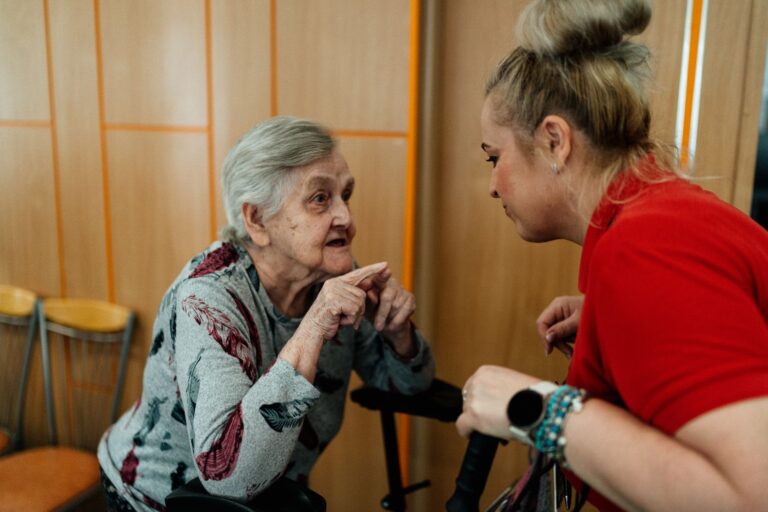
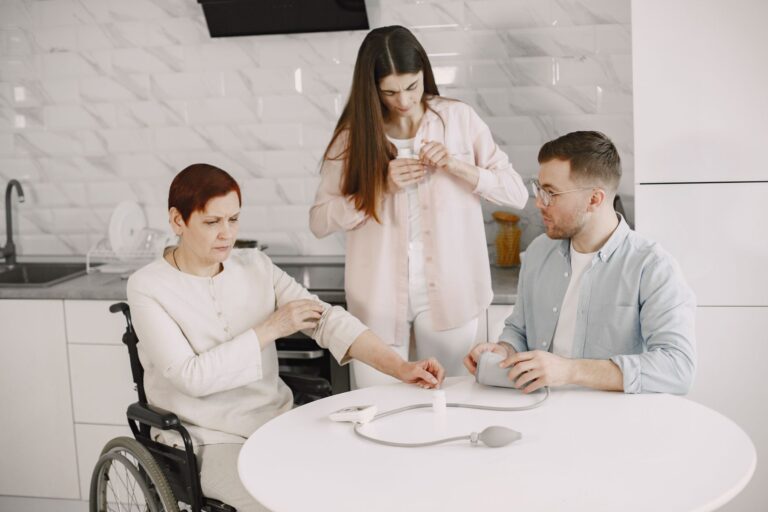
Evidence-based dementia caregiver programs are expanding in 2026 through growth in Medicare's GUIDE model and a new effort to scale proven supports. Family caregivers gain wider access to navigation, training, and respite, with local enrollment as the next step. GUIDE is structured dementia care that pairs each family with a navigator and care team. Best Programs for Caregiving is a collection of caregiver programs with research evidence for practical benefits.
Medical information disclaimer: This article is for general educational purposes only and does not provide medical advice, diagnosis, or treatment. Always consult a physician or other qualified health professional about symptoms, medications, tests, or treatment decisions.
Table of Contents
- What grew in Medicare's GUIDE model?
- What does GUIDE provide families?
- Which proven programs are scaling in communities?
- Who can join and what should you check?
What grew in Medicare's GUIDE model?
CMS says it launched GUIDE on July 1, 2024, with 390 organizations building Dementia Care Programs for hundreds of thousands of beneficiaries nationwide (CMS launch announcement). Participants operate as Dementia Care Programs under the model.
BenefitGuide's September 2026 review of the CMS file last updated in August 2026 counted 474 participant organizations. That is up from 390 at launch. The same review lists a help desk at 1-888-734-6433, option 7.
What does GUIDE provide families?
On the CMS GUIDE model page, CMS lists a navigator, a written care plan, and 24/7 access to the care team as covered supports. A navigator is a point person for scheduling and follow-up.
CMS also pays for evidence-based caregiver education and coaching. Each patient can receive up to $2,500 per year in respite for unpaid family caregivers. Respite is short-term relief coverage so a caregiver can rest or handle other duties.
Which proven programs are scaling in communities?
The Alzheimer's Association announced a three-year partnership on Aug. 17, 2026 (Alzheimer's Association announcement). It joins Benjamin Rose Institute on Aging and Family Caregiver Alliance to support and expand Best Programs for Caregiving. The focus is programs for dementia families.
A University of Washington summary of a National Academies review points to two models. REACH II is an individualized program that combines several forms of caregiver training and support. Care Ecosystems use collaborative teams to coordinate medical, practical, and caregiver needs. REACH was the lead approach in 9 of 28 cases in that review.
Who can join and what should you check?
Alzheimer's Association's 2026 Facts and Figures estimates 7.4 million Americans age 65 and older live with Alzheimer's dementia. That is about 1 in 9 in that age group, cared for largely by unpaid family and friends. CMS limits GUIDE to families who meet all three tests.
Availability varies because enrollment depends on a local participant: ACL hosted a Feb. 5, 2026 webinar on state use of the National Strategy with California, Maryland, Massachusetts, and Wisconsin. It also offered grants to state aging agencies due July 22, 2026. Verify local GUIDE enrollment through the CMS list or call the Alzheimer's Helpline at 800-272-3900.
- Original Medicare Part A and B coverage
- Clinician-confirmed dementia diagnosis
- Care from a participating GUIDE provider
You Might Also Like
- Evidence-Based Dementia Caregiver Programs Expanding in 2026: What Family Caregivers Can Check in Their Community
- Evidence-Based Dementia Caregiver Programs Expanding in 2026: A Source-Checked Briefing for Family Caregivers
- CMS GUIDE Caregiver Education and Training in 2026: What Medicare Families Can Verify Locally