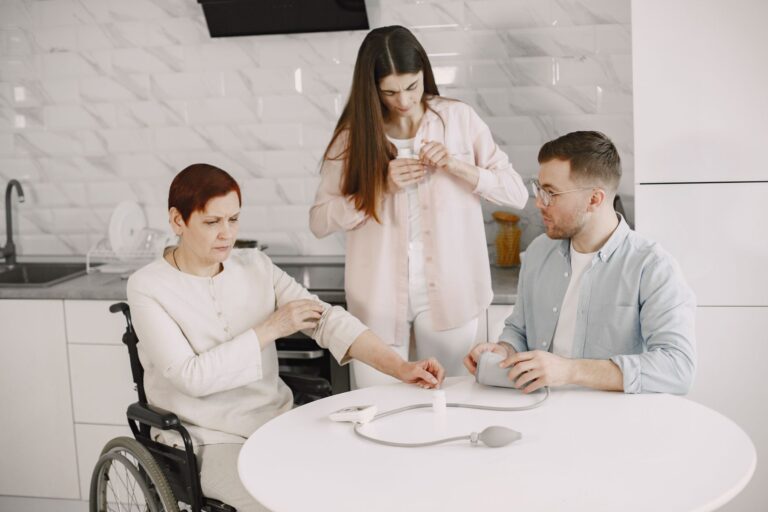
Evidence-based dementia caregiver programs are expanding in 2026 through Medicare's GUIDE Model and wider community grants. Family caregivers in more areas can get navigation, training, care plans, 24/7 access, and funded respite.
GUIDE means Guiding an Improved Dementia Experience. CMS says it is an 8-year voluntary nationwide test for Medicare fee-for-service families. It started July 1, 2024 and pairs patients and unpaid caregivers with navigation and support.
Medical information disclaimer: This article is for general educational purposes only and does not provide medical advice, diagnosis, or treatment. Always consult a physician or other qualified health professional about symptoms, medications, tests, or treatment decisions.
Table of Contents
- What does GUIDE give caregivers?
- Where is in-home support newly available?
- How do 2026 grants affect families?
- Does caregiver training lower stress?
- Do you qualify and what should you do?
What does GUIDE give caregivers?
CMS says GUIDE gives each family a navigator, a written care plan, and 24/7 access to support. CMS lists this package on its GUIDE Model page, including caregiver training and up to $2,500 per year for respite. A navigator coordinates visits, explains next steps, and connects families to local help. Respite pays for another trained person to stay with your family member while you rest.
Families use a few hours for sleep, medical visits, errands, or time with others. Training shows how to manage daily care, handle behavior changes, and ask for help early. The 24/7 access helps with urgent questions, such as new confusion at night or medication concerns. You call instead of waiting through the weekend. The care plan keeps diagnosis, goals, contacts, and next visits in one place.
Where is in-home support newly available?
Papa joined CMS GUIDE as an Approved Partner Organization on June 25, 2026 with Tembo Health and AVVACare. Papa said in a partnership announcement it will extend in-home support and respite to eligible Medicare families. Papa said eligible families pay no out-of-pocket cost for these partner services. MedBetterHealth expanded GUIDE dementia services to New York City in February 2026, as described in a February service update.
It partnered with WB Homecare and Continental Home Care to add coordination and caregiver education. The expansion adds Medicare-funded in-home respite hours in the city. These moves add local staff families can call for hands-on help. Availability still depends on whether a nearby provider takes part in GUIDE. Ask your clinic or the partner listed for your area before you plan around respite hours.
How do 2026 grants affect families?
The Administration for Community Living opened 2026 Alzheimer's Disease Programs Initiative grants for two needs. One supports dementia-capable community health workers with about $9 million across up to 12 awards. The other supports state dementia-specific respite, with respite applications due Aug. 3, 2026. Congress added $100 million for Alzheimer's research at NIH and $41.5 million for CDC's BOLD infrastructure in its fiscal year 2026 package.
The Alzheimer's Association reported Feb. 20, 2026 that this is the largest BOLD annual amount. The funds support early detection, risk reduction, data, and caregiver public-health capacity. These dollars do not pay your bills directly. They fund local workers, respite programs, detection efforts, and data that shape future services. Families may see more trained aides, clearer referrals, and added respite options over time.
Does caregiver training lower stress?
Savvy Caregiver is a 6-week psychoeducation program developed at Emory University by Kenneth Hepburn. Emory says the program is now widely replicated and adapted as online Tele-Savvy. Sessions teach practical skills, not just general information. Studies of the program found lower caregiver stress and stronger caregiving mastery.
Mastery means confidence in handling daily tasks and making decisions. Examples include setting routines, responding calmly to repeated questions, and planning rest breaks. Training works best when you practice one skill at a time. Online Tele-Savvy can help when travel or nighttime care blocks in-person classes. Pair training with respite so you have time to rest and apply what you learn.
Do you qualify and what should you do?
GUIDE covers only Original Medicare Parts A and B when care comes from a participating provider. CMS explains in its GUIDE FAQs that Medicare Advantage, hospice election, and memory-care-unit residents are excluded. Families should confirm GUIDE enrollment before counting on respite funds.
Use these checks this week with your clinic and family. Keep your navigator number and helpline number by the phone. Call early when sleep loss, agitation, or caregiver exhaustion grows. Early calls bring referrals, safety planning, and crisis help.
- Confirm Original Medicare Parts A and B, no hospice election, and no long-term memory-care-unit residence.
- Ask your clinic: Are you in GUIDE, who is our navigator, and how do we request respite?
- If not eligible, call the free Alzheimer's Association 24/7 Helpline at 800-272-3900 for referrals and crisis help.
You Might Also Like
- Evidence-Based Dementia Caregiver Programs Expanding in 2026: Service Gaps That Matter to Family Caregivers
- Evidence-Based Dementia Caregiver Programs Expanding in 2026: Cost and Access Questions for Family Caregivers
- CMS GUIDE Caregiver Education and Training in 2026: Questions Medicare Families Can Ask a Provider