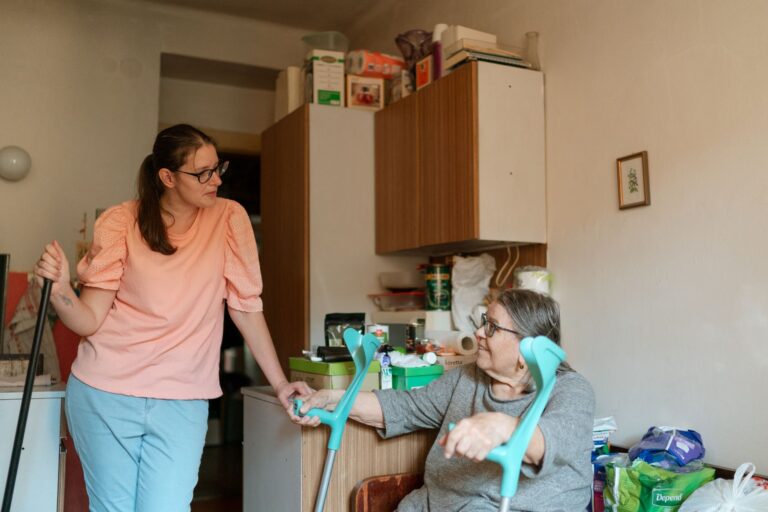
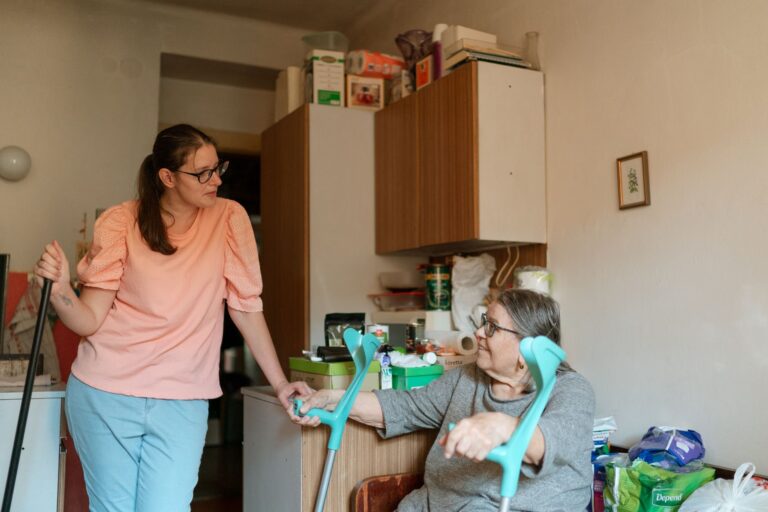
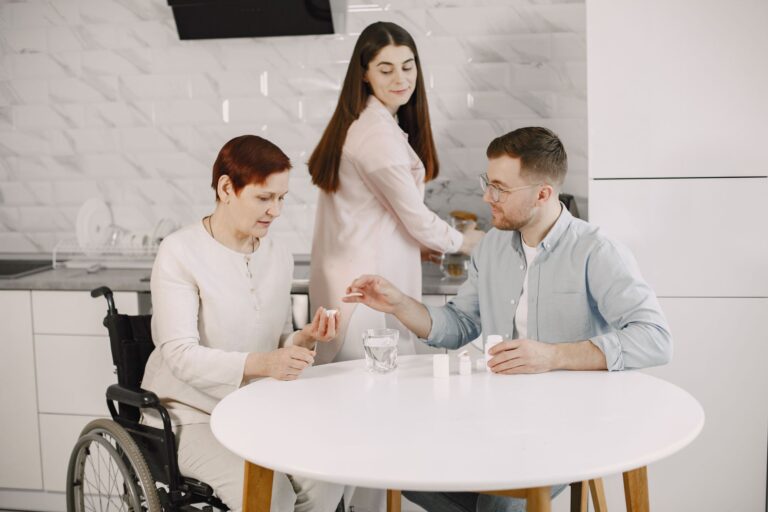
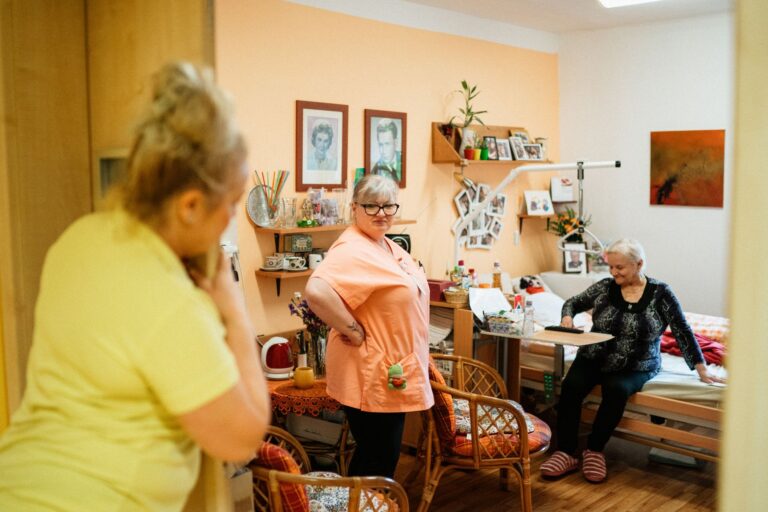
Putting dish soap in the kettle can happen with dementia, ongoing loss of memory and judgment that makes daily tasks harder. Treat any soapy kettle water as unsafe, pour it out, and do not let your parent drink it or boil it again. This is not carelessness or defiance. It reflects the same change that leads someone to store an object in the wrong place or struggle with a familiar kitchen task.
Medical information disclaimer: This article is for general educational purposes only and does not provide medical advice, diagnosis, or treatment. Always consult a physician or other qualified health professional about symptoms, medications, tests, or treatment decisions.
Table of Contents
- Why does this happen?
- Is soapy kettle water harmful?
- What should you do right now?
- How do you make the kitchen safer?
Why does this happen?
The Alzheimer Society of Canada says memory loss can lead a person to misplace an object warning signs page. One example is a remote control in the refrigerator. The same source says people may lose the ability to finish familiar tasks such as preparing a meal.
They may also show impaired judgment and miss health and safety risks. A kettle routine mixes many small choices: fill, heat, pour. When steps blur, a soap bottle by the sink can look like the next step.
Is soapy kettle water harmful?
MedlinePlus warns that swallowed detergent can cause vomiting, severe throat pain and burns, breathing trouble, and collapse detergent poisoning guide. The same guide says do not treat from the page alone and to call emergency services or Poison Help at 1-800-222-1222.
The National Capital Poison Center notes that detergent ingestion commonly causes mouth or throat irritation, coughing, nausea, vomiting, diarrhea, and tiredness. That does not rule out a worse reaction, so get advice even if symptoms look mild.
What should you do right now?
Do not drink the water and do not boil it to burn off soap. Pour it out after it cools enough to handle safely.
If the kettle is hot, let it cool before you touch it. Stay nearby until the kettle is empty, clean, and put away.
- Throw out all soapy water and rinse the kettle well.
- Keep your parent away from hot water and steam.
- If any water was swallowed, call emergency services or Poison Help at 1-800-222-1222.
How do you make the kitchen safer?
The National Institute on Aging advises caregivers to lock up dangerous items or move them out of sight and reach caregiving safety guidance. That includes cleaning products, knives, matches, and medicines, plus limits on risky appliance use such as stove knob covers and auto-shutoff kettles. Older adults face higher scald risk because they may not feel heat or move away quickly.
The Consumer Product Safety Commission says a 120°F water-heater setting may reduce most scald injuries tap-water scalds guidance. Keep the kettle empty when not in use. Boil only when you can stay in the kitchen.