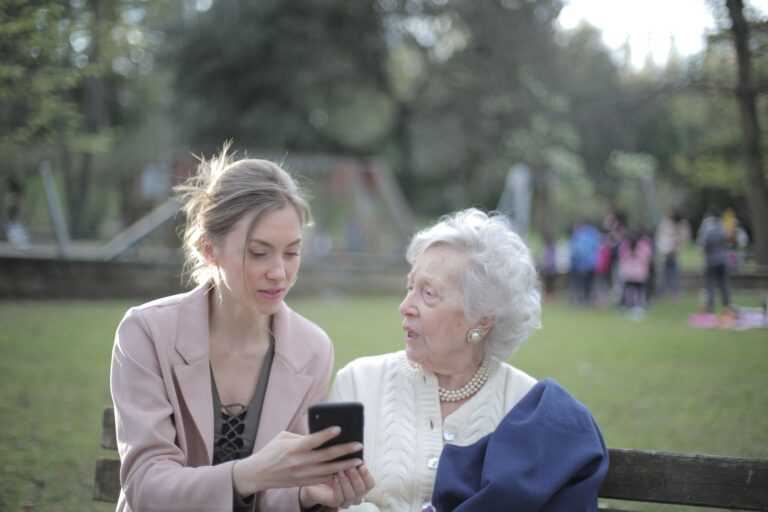
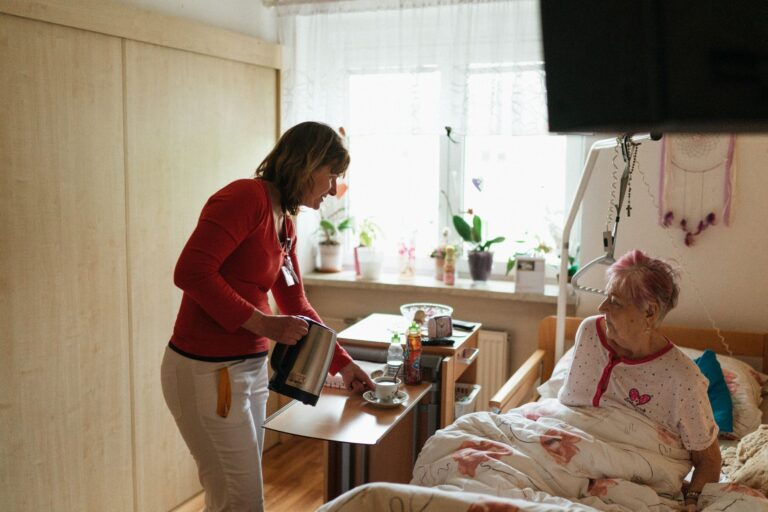
A useful check-in sounds like brief, friendly contact with one clear offer to help. It asks how the caregiver feels right now and names a task you can take.
A dementia caregiver provides daily care for a person with memory and thinking decline. Loneliness builds fast under that strain. A short text or call can ease it without asking for a long talk.
Medical information disclaimer: This article is for general educational purposes only and does not provide medical advice, diagnosis, or treatment. Always consult a physician or other qualified health professional about symptoms, medications, tests, or treatment decisions.
Table of Contents
- Why short hellos help
- What to say in the first minute
- How to offer help that gets used
- How to keep the tone calm and supportive
- What check-ins cannot fix
Why short hellos help
In a five-day study, 223 caregivers reported contact and loneliness every three hours. Brief friend contact went with lower momentary loneliness, according to University of Michigan News in its report on friendship and dementia caregivers. The pattern held in daily life, not in a lab.
That matters because caregiving days rarely leave room for long visits. A two-minute text still signals that someone notices. Steady small touches beat a rare big talk.
What to say in the first minute
Lead with warmth, then ask about this moment. Name the person, say you are thinking of them, and ask how today feels. One clear question works better than asking for big updates.
Mention the hard stretch, offer to listen for five minutes, and let a pause happen. Avoid asking them to cheer up or explain everything. Short and kind keeps the door open.
How to offer help that gets used
The National Institute on Aging advises specific relief, such as staying with the person to give the caregiver a break. Details are in its guide to getting started with caregiving. Vague help rarely gets used.
Look for concrete tasks when you visit. Tidy one room, handle dishes, or sit while they nap. Leave a note about when you will check again.
- Name a time: offer to stay Thursday from 2 to 4.
- Name a chore: offer groceries, laundry, or a ride.
- Name the next contact: say you will call again Sunday.
How to keep the tone calm and supportive
Calm talk lowers friction. Affirm effort, repeat back key words, and name the feeling you hear. Confirm what you understood before you advise. Research coding caregiver speech defines support as affirmations, paraphrasing, acknowledging emotion, and confirming understanding.
Those moves help repair breakdowns, according to The Gerontologist study shared in its open-access report on caregiver communication. Use them in check-ins too. Avoid correcting, rushing, or multitasking while you talk. Stay patient when words repeat or stall. Your steady voice sets the pace.
What check-ins cannot fix
A check-in is support, not treatment. A Cochrane review of respite care found no clear proof it cuts burden or delays a move to a facility. Read the Cochrane review summary on respite care for that limit.
Pair relief offers with steady listening. Point toward local services, health staff, or respite programs for bigger needs. Stay in touch after the referral.