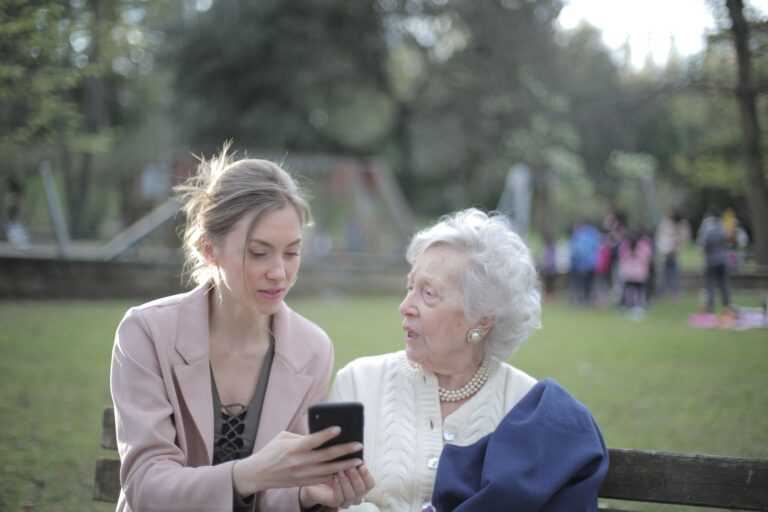
Prevent caregiver isolation in winter by keeping regular phone or in-person contact, arranging rides to recurring activities, and building a backup support network before storms hit. Caregiver isolation means a shrinking circle of social contact while providing ongoing care, and winter weather can accelerate that shrinkage.
A steady rhythm works best. Schedule the same calls, visits, respite breaks, and peer support each week. Add an emergency contact list and backup travel plan so one storm does not erase contact for days.
Medical information disclaimer: This article is for general educational purposes only and does not provide medical advice, diagnosis, or treatment. Always consult a physician or other qualified health professional about symptoms, medications, tests, or treatment decisions.
Table of Contents
- Why does winter contact matter so much?
- How do you keep a weekly contact rhythm?
- What keeps storms from severing contact?
- Where can you get a break and peer support?
- When should winter blues get professional attention?
Why does winter contact matter so much?
Social withdrawal carries real health risks for both caregivers and care recipients. The CDC reports on its risk factors page that isolation and loneliness raise risks of heart disease, stroke, dementia, and early death.
Winter makes cutbacks tempting. Short days, ice, illness, and canceled events reduce visits. Each missed connection then makes the next outreach harder to restart.
How do you keep a weekly contact rhythm?
Pick two or three fixed touchpoints and protect them like medication times. AARP recommends in its 2025 winter caregiving guide regular visits or phone calls plus rides to recurring activities such as church, synagogue, or mosque.
Make each contact easy to keep. A 15-minute morning call, a Sunday visit, and one Wednesday group meeting beat ambitious plans that collapse.
- Ask one neighbor, friend, or family member to cover each slot if you are sick
- Arrange round-trip rides in advance, with a second driver on call
- Pair contact with a task, such as grocery delivery or medication review
What keeps storms from severing contact?
Build a support network before bad weather arrives. AARP also urges caregivers in the same 2025 winter caregiving guide to keep an emergency kit and backup plan for periods when neither caregiver nor older adult can travel.
Write the plan down. List backup caregivers, accessible neighbors, pharmacy numbers, heating help, and transportation options. Charge phones, store food and prescriptions, and agree on a daily check-in signal such as a text or porch light.
Where can you get a break and peer support?
Respite gives you time away while another trusted provider covers care. The ARCH National Respite Network runs a National Respite Locator searchable by state, city, or ZIP for providers and family-caregiver programs.
Local services can fill gaps in meals, home care, transportation, and training. Peer groups also reduce isolation because members share practical fixes and emotional support on a set schedule.
When should winter blues get professional attention?
Low mood, fatigue, sleep changes, and withdrawal often rise in darker months. The Ontario Caregiver Organization notes that seasonal episodes can run from fall until April or May, while many caregivers already face sadness, isolation, and guilt year-round.
Treat winter tactics as support, not treatment. Keep using light exposure, movement, contact, and respite, but seek medical or mental health care for persistent depression, severe sleep or appetite change, or inability to provide safe care. Practical relief such as local respite through 211 and peer contact can accompany that care.