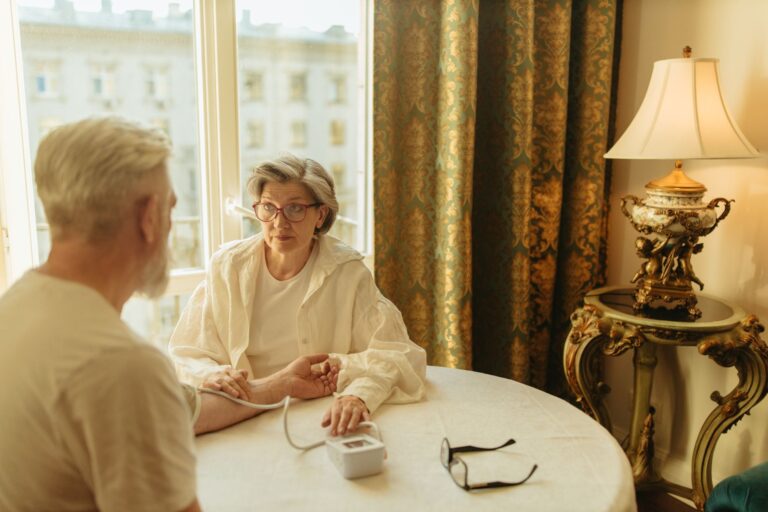
Dementia genetic testing can reveal surprise family relationships as well as information about Alzheimer's risk. Before consent, ask what family findings the test may return, who will learn them, and how you want unexpected results handled. Dementia genetic testing means laboratory analysis of gene variants linked to Alzheimer's disease. These tests focus on risk, not diagnosis, but methods that compare your DNA with relatives or read broad gene panels can also expose misattributed parentage, donor conception, or unknown siblings.
Medical information disclaimer: This article is for general educational purposes only and does not provide medical advice, diagnosis, or treatment. Always consult a physician or other qualified health professional about symptoms, medications, tests, or treatment decisions.
Table of Contents
- What dementia gene results can and cannot tell you
- Why family surprises happen during dementia testing
- What should consent cover before you agree?
- Questions to ask in the appointment
What dementia gene results can and cannot tell you
Carrying APOE-e4, the strongest known genetic risk marker for late-onset Alzheimer's, raises risk but does not guarantee disease or predict timing. According to the National Institute on Aging, a positive result cannot diagnose dementia, as described in its Alzheimer's Disease Genetics Fact Sheet. Federal guidance says genetic tests are not routinely used to diagnose or predict Alzheimer's risk.
The exception is APP, PSEN1, and PSEN2 testing, which a neurologist may order for early-onset symptoms with a strong family history. Those three genes can cause autosomal-dominant early-onset Alzheimer's, often with onset at ages 30-60 and near-complete penetrance. Direct-to-consumer testing added another path to APOE-e4 information. In April 2017, FDA authorized 23andMe to market reports on late-onset Alzheimer's APOE-e4 status, limited to risk information rather than diagnosis, according to the FDA authorization report.
Why family surprises happen during dementia testing
Family surprises usually come from two features: relative matching and broad sequencing. Relative-matching compares your DNA to other customers or research participants to find biological parents, children, and siblings. Exome or genome testing reads many genes at once and can reveal that parent-child relationships differ from family records.
Medical genetics authorities recommend that pre-test consent explicitly warn about this possibility. The warning covers misattributed parentage, donor conception, and unknown siblings found through family-based testing or relative matching. For readers pursuing dementia testing, the brain-health question and the family question travel together. A test ordered to clarify APOE risk or early-onset genes may still use a laboratory method that detects or confirms close biological relationships.
What should consent cover before you agree?
The Alzheimer's Association cautions against routine testing of healthy people for Alzheimer's risk until the person receives genetic counseling and understands informed-consent information, as stated in its genetic testing statement. Counseling gives space to discuss accuracy limits, emotional effects, family effects, and alternatives such as not testing. Consent should also explain how incidental family findings are handled.
A survey of clinical laboratories found broad disclosure of the possibility, but less clarity about who is told and how results are returned. Ask whether the ordering clinician receives all relationship findings, whether results go into the medical record, and whether you can decline to learn certain results. Put your preferences in writing when possible. Decide whether a partner, parent, sibling, or adult child should be present for results, and what you will do if the result affects first-degree relatives seeking predictive testing for early-onset genes.
Questions to ask in the appointment
Bring a short list and write down the answers. These questions fit a neurology, primary-care, or genetics visit and help prevent surprise disclosures. Use the answers to choose the narrowest test that meets your goal.
In a study published Feb. 24 in the American Journal of Human Genetics, about 3% of DNA-test takers learned a presumed parent was not biological and 5% found previously unknown full or half siblings, with most regret after donor-conception surprises, according to the HealthDay report. If that outcome would harm you or your family now, delay testing until counseling and family plans are in place.
- Which genes will this test analyze, and will it compare my DNA with relatives?
- Could it reveal misattributed parentage, donor conception, or unknown siblings?
- Who receives the full report, and what enters my medical record?
- Can I opt out of learning family-relationship findings while still learning dementia-risk results?
- What counseling, follow-up, and family-support resources are included?