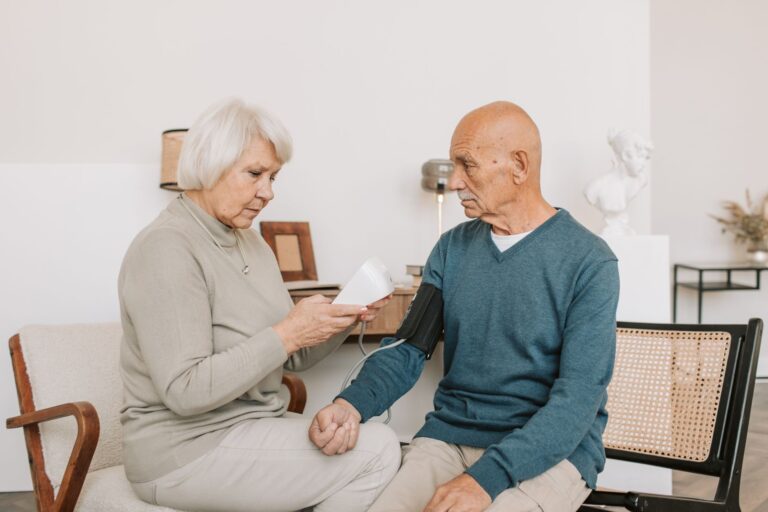
The 2026 NIA report makes early dementia detection a care-planning tool for families across primary care and community settings. It connects earlier diagnosis to sooner treatment, lower costs from poorly managed dementia, and faster care and financial planning. Early detection means identifying mild cognitive impairment and early dementia before a crisis forces decisions. Mild cognitive impairment causes noticeable memory or thinking changes that do not yet prevent daily activities.
Medical information disclaimer: This article is for general educational purposes only and does not provide medical advice, diagnosis, or treatment. Always consult a physician or other qualified health professional about symptoms, medications, tests, or treatment decisions.
Table of Contents
- Why an earlier diagnosis helps caregivers plan
- Why early changes are still missed
- What detection across settings would look like
- What families can do after an early diagnosis
Why an earlier diagnosis helps caregivers plan
The National Institute on Aging states early diagnosis helps caregivers discern care preferences sooner and plan care and finances Summit report. Earlier treatment can slow decline when help starts in time. Poorly managed dementia raises costs and daily strain.
The National Institute on Aging advises that advance care planning gives the person control and direct participation in future-care decisions. Families can record wishes for medical care, daily support, and money management. Starting those talks early preserves the person's voice.
Why early changes are still missed
Researchers at USC Dornsife analyzing 226,756 primary-care clinicians found over 99% underdiagnosed mild cognitive impairment USC Dornsife analysis. That gap limits current early-detection practice. Mild impairment reflects about half of early-Alzheimer's cases.
It progresses to dementia at 10%-15% per year. A Summit presentation found guidelines do not consistently recommend screening. Routine risk-based screening could catch more cases sooner.
What detection across settings would look like
The National Institute on Aging held its 2026 Dementia Care and Caregiving Research Summit virtually March 17-19, 2026 to review progress and identify unmet needs. Goal 5.2 directs research on early detection in primary care and community settings. It calls for technology-enabled assessments and EHR-based methods to improve linkage across settings.
NIH reports new diagnostic investments help primary-care doctors screen and detect dementia, and blood tests improved through measurement of phosphorylated tau p-tau217 NIH progress report. Technology-enhanced screeners and EHR algorithms can flag risk during routine visits. Results from one setting would then guide follow-up in another.
What families can do after an early diagnosis
Ask about cognitive screening at annual primary-care visits. Bring dates, examples of memory slips, and tasks that became harder.
Ask who receives results and who plans next steps. Medicare's 8-year GUIDE model, begun July 1, 2024, offers enrolled patients person-centered care planning, navigation, 24/7 support, caregiver training and up to $2,500 yearly respite GUIDE model details. Loved ones should encourage advance-care talks as early as possible.
- Record medical wishes, daily-care choices, and financial contacts
- Ask about care navigation, caregiver training, and home support
- Schedule follow-up testing and revisit plans yearly
You Might Also Like
- Strengths-Based Dementia Care in the 2026 NIA Report: Care-Planning Implications for Family Caregivers
- Implementation-Ready Dementia Interventions in the 2026 NIA Report: Questions Family Caregivers Can Ask About the Research
- Special Olympics and the Alzheimer’s Association: New Dementia Resources for Families