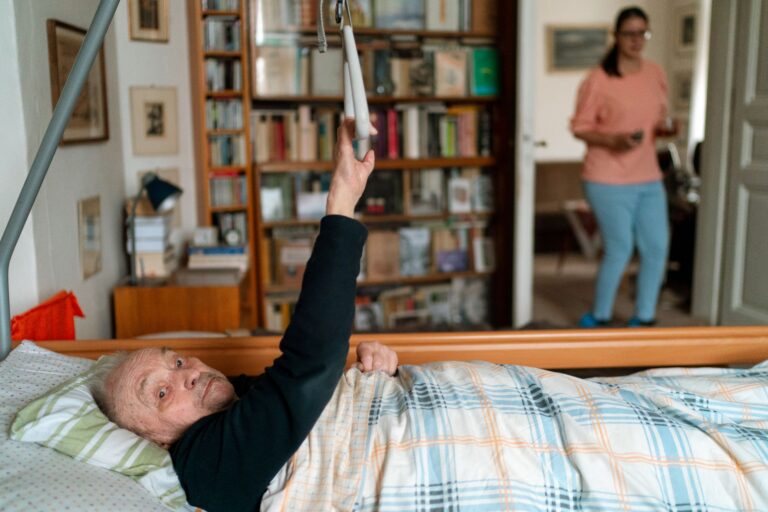
Dementia can make repeated doorstep sales pressure harder to assess and resist, so simple safeguards can reduce unwanted visits and rushed decisions. Doorstep sales means unsolicited attempts to sell goods or services at someone's home. Not every visitor is dishonest, but repeated pressure, unwanted return visits, or demands for an immediate decision should be treated seriously. The available UK evidence does not show how often this happens specifically to people with dementia.
Medical information disclaimer: This article is for general educational purposes only and does not provide medical advice, diagnosis, or treatment. Always consult a physician or other qualified health professional about symptoms, medications, tests, or treatment decisions.
Table of Contents
- Why dementia can increase vulnerability
- What repeated doorstep pressure can look like
- A practical plan for reducing pressure
- What to do after an agreement or unwanted visit
- When a wider neighbourhood response helps
Why dementia can increase vulnerability
People living with dementia may find it harder to manage money, judge risk, or recognise a scam. The Alzheimer's Society identifies these changes as reasons someone may become more vulnerable to financial exploitation, including pressure at home. Alzheimer's Society guidance on keeping secure at home A person may agree to work or a purchase without fully understanding the cost, need, or cancellation rights.
Memory problems can also make it difficult to remember what a visitor promised or whether the person has visited before. This does not mean every person with dementia lacks decision-making ability. The aim is to reduce pressure while respecting the person's choices and involving them in decisions wherever possible.
What repeated doorstep pressure can look like
A rogue trader is a trader who uses dishonest, exploitative, or unfair methods. Gloucestershire Trading Standards says rogue traders commonly make unsolicited home visits, target vulnerable people, and may provide unnecessary, unfinished, or poor-quality work.
Gloucestershire Trading Standards guidance on rogue traders Warning signs include: Not every doorstep seller is illegitimate. However, Suffolk Trading Standards says a trader who ignores a resident's request to leave and not return commits a criminal offence. Suffolk Trading Standards guidance on rogue traders.
- The visitor insists that work must begin immediately.
- The person is told not to discuss the offer with family or neighbours.
- The trader repeatedly returns after being asked to leave.
- The visitor claims there is an urgent repair without independent evidence.
- The resident feels frightened, confused, or unable to end the conversation.
A practical plan for reducing pressure
Agree a short household rule when the person with dementia is calm and able to participate. For example: no one enters without an appointment, and no purchase or repair is agreed during an unexpected visit.
Useful safeguards include: The Alzheimer's Society recommends using a "No Cold Calling" sign, checking unexpected visitors independently, avoiding on-the-spot agreements, and seeking a trusted person's view. Alzheimer's Society guidance on keeping secure at home A family member or care worker should not quietly take over every decision. Instead, agree in advance what support the person wants, such as being present for repairs, checking paperwork, or handling follow-up calls.
- Put a clear "No Cold Calling" sign near the entrance.
- Keep the door closed, using a door chain or window if appropriate.
- Ask for the visitor's name, company, and reason for calling.
- Verify unexpected claims independently before allowing entry.
- Do not sign, pay, or agree to work immediately.
What to do after an agreement or unwanted visit
If someone has agreed to goods or services, do not assume the situation is irreversible. Suffolk Trading Standards says that for many in-home goods or service agreements over £42, consumers have 14 days to cancel, and traders must provide written cancellation information. It also says failing to provide that information is a criminal offence. Suffolk Trading Standards guidance on rogue traders Keep the contract, receipt, texts, photographs, and notes about what happened. A trusted person can help check what was promised and contact the relevant trading standards service or other appropriate organisation.
If the person is at immediate risk, contact emergency services. If there is suspected abuse or neglect, safeguarding services may also be appropriate. In England, local authority safeguarding duties apply when an adult has care and support needs, is experiencing or at risk of abuse or neglect, and cannot protect themselves because of those needs. The guidance also says safeguarding should respect the adult's wishes and wellbeing. Department of Health and Social Care statutory guidance.
When a wider neighbourhood response helps
A single household may need extra support if traders return repeatedly. In Suffolk, No Cold Calling Zones are resident-led areas designed to prevent unsolicited trader visits without an appointment. They are created with residents, Trading Standards, councillors, police, and other partners. Neighbours can help by noticing repeated visits, checking in after an unexpected sale, and sharing concerns with the person's chosen supporter.
Any action should preserve privacy and avoid treating the person as incapable. The UK evidence base on abuse related to dementia remains small. The Department of Health and Social Care notes that many studies rely on reports from family members or informal carers, so the evidence does not show how often repeated doorstep pressure occurs. Department of Health and Social Care review.