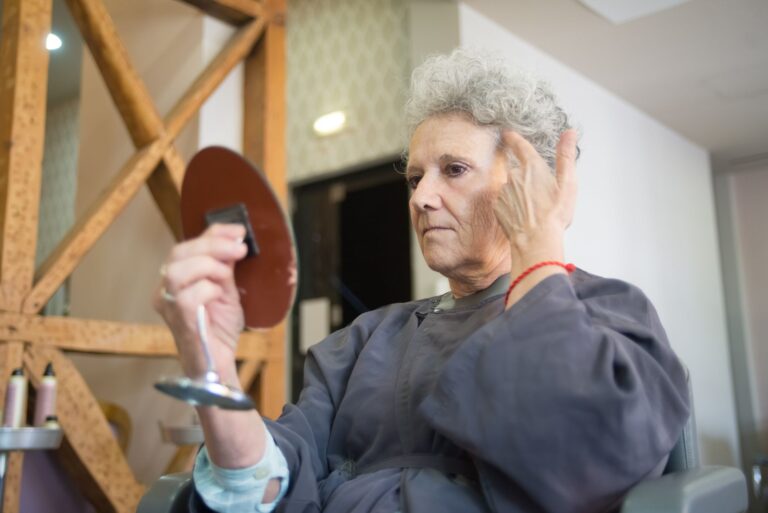
For a short garden visit with a person living with dementia, choose one safe, easy-to-reach thing—a flower, leaf, or herb—and invite attention to one feature. "One thing to notice" means focusing together on a single object or sensation instead of surveying the whole garden or testing memory. The goal is a calm, manageable moment, not a clinical treatment or a lesson. Follow the person's interest, allow silence, and end the visit if they become tired, uneasy, or ready to leave.
Medical information disclaimer: This article is for general educational purposes only and does not provide medical advice, diagnosis, or treatment. Always consult a physician or other qualified health professional about symptoms, medications, tests, or treatment decisions.
Table of Contents
- Choose a simple focus
- Invite attention without testing memory
- Keep the visit short and flexible
- Supervision matters outdoors
- What the evidence can—and cannot—show
Choose a simple focus
Pick something visible from the path or a seat. A bright flower, an unusually shaped leaf, or the scent of a familiar herb can work well.
Avoid plants with thorns, prickles, or uncertain safety. Offer one concrete observation or invitation: The person may have difficulty choosing an activity or getting started. The National Institute on Aging says a companion can help begin a simple task, such as watering a plant or talking about its growth, and recommends timing outings for when the person is at their best in its guidance on adapting activities.
- "This flower is yellow."
- "Would you like to smell this mint?"
- "This leaf feels soft."
- "Shall we water this plant?"
- "Would you like to sit here and look?"
Invite attention without testing memory
Treat the prompt as an invitation, not a quiz. "What color is this flower?" may be easier than "What kind of flower is this?" or "Do you remember growing these?" questions about names and memories can create pressure when recall is difficult. Use a quiet voice and wait after speaking. Resist the urge to repeat the question immediately or add several more.
The Alzheimer's Association recommends slow speech, time to respond, and one question at a time, especially during middle-stage Alzheimer's in its communication guidance. A response does not have to be verbal. Looking, touching a safe leaf, smiling, turning away, or resting quietly can all guide what happens next. If the person shows no interest, try one different object or simply enjoy sitting together.
Keep the visit short and flexible
Plan a small outing rather than a complete tour. A useful structure is one destination, one thing to notice, and one comfortable place to pause.
turn back early if the person slows down, becomes restless, repeatedly asks to leave, or seems confused. Before setting out, check the practical details: Do not force the activity because the garden seems pleasant to you. The visit has worked if it remains safe and tolerable, even when it lasts only a few minutes.
- Choose a clear, familiar-looking route.
- Locate a bench or other place to rest.
- Avoid unnecessary steps; use a ramp or gentle slope when available.
- Bring the person close enough to see or smell the chosen plant.
- Keep expectations loose enough to stop at any point.
Supervision matters outdoors
Stay with the person throughout the visit, particularly in an unfamiliar garden. Gates, branching paths, crowds, and hidden exits can make a simple outing harder to manage. The Alzheimer's Association says anyone living with Alzheimer's or another dementia may be at risk of wandering, and reports that six in ten people will wander at least once in its wandering safety guidance.
It advises against leaving a person unsupervised in a new setting that could cause confusion or agitation. Position yourself so you can accompany rather than direct. If the person begins walking away, join them calmly and guide the route toward a safe exit or seat instead of arguing about where they intended to go.
What the evidence can—and cannot—show
Garden-based programs may offer benefits, but they are not the same as one brief visit. A 2024 meta-analysis covering nine randomized trials and 655 older adults with dementia found improvements from horticultural therapy compared with usual care; structured and outdoor programs performed better in subgroup analyses according to the Journal of Clinical Nursing review indexed by PubMed.
Those findings do not establish that noticing one flower, leaf, or scent produces a clinical benefit. The review judged the included studies low quality and called for stronger research, so this approach is best used as communication-friendly practical guidance—not as therapy or a promised health intervention. If the chosen flower does not hold the person's attention, let it go: sit quietly, walk back together, or end the visit.