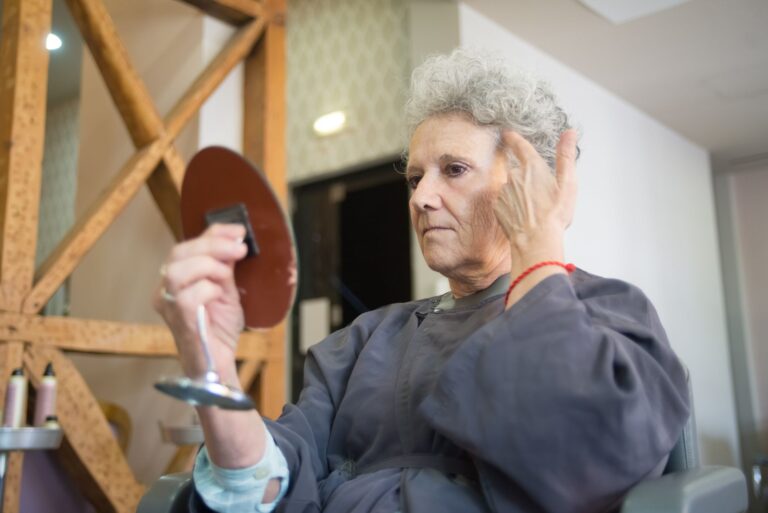
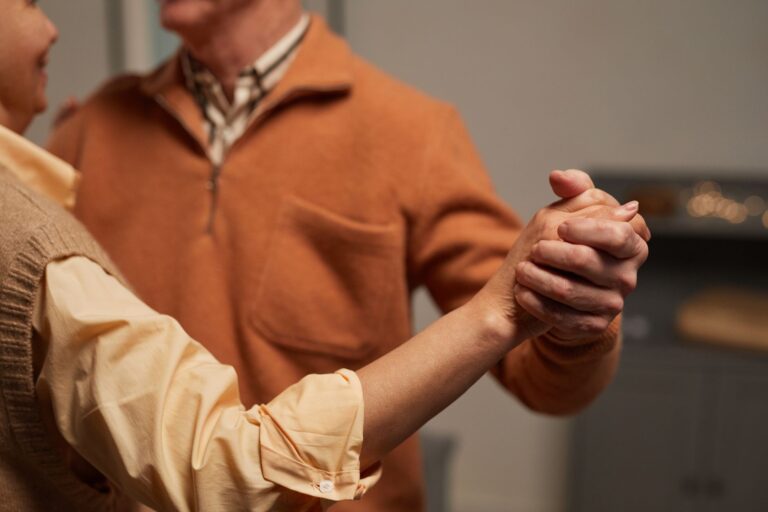
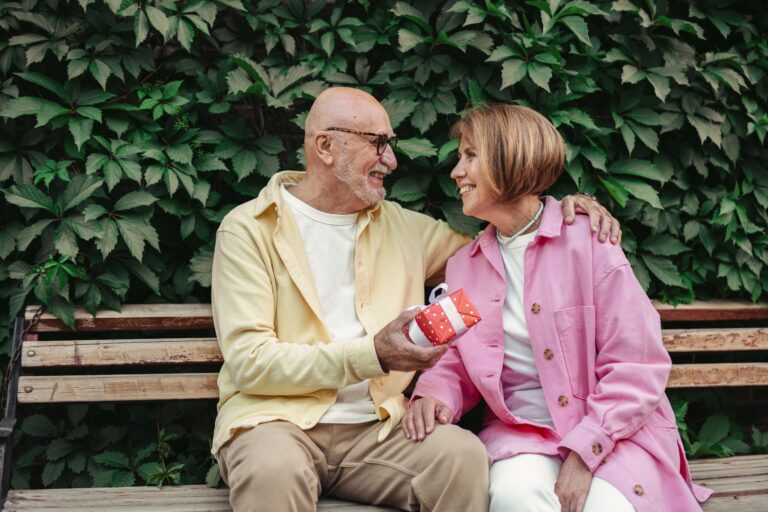
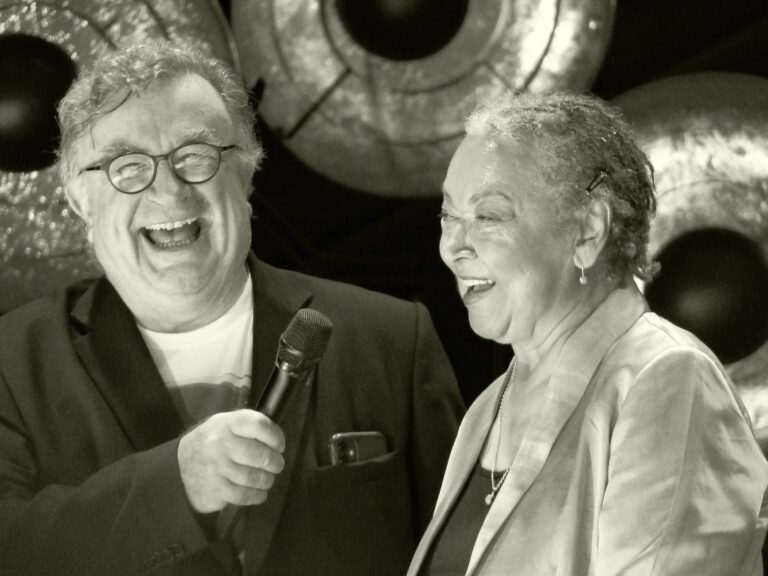
Plan a dementia-friendly family photo session around comfort, routine, and connection—not a test of who or what the person remembers. A memory quiz is any question that demands correct recall; replace "Do you remember Sarah?" with "Sarah is here with us today." Keep the plan flexible. The aim is not a perfect set of poses, but a calm opportunity to capture the person as they are that day.
Medical information disclaimer: This article is for general educational purposes only and does not provide medical advice, diagnosis, or treatment. Always consult a physician or other qualified health professional about symptoms, medications, tests, or treatment decisions.
Table of Contents
- Choose the right time and group
- Prepare a calm setting
- Give directions without testing memory
- Create connection without demanding recall
- Know when to pause or stop
Choose the right time and group
Schedule the session during a part of the person's usual routine when they are generally comfortable. Allow extra time, and tell relatives that the session may be shortened, postponed, or changed without notice. Limit the number of people present if a crowd is likely to feel overwhelming.
The Alzheimer's Association advises that smaller groups may support more successful interaction than large social events. Decide in advance which photographs matter most. Take those first, then treat every additional image as optional.
Prepare a calm setting
Choose a familiar or uncomplicated location with good lighting. Reduce background television, music, movement, and competing conversations. Before starting, check that the person has any glasses or hearing aids they normally use.
Leeds Community Healthcare NHS Trust recommends limiting distractions, providing adequate lighting, and supporting vision and hearing. Set up equipment before bringing everyone together. This reduces waiting and lets the photographer begin while attention and comfort are still strong.
Give directions without testing memory
ask the photographer and relatives to use short directions containing one idea at a time. Demonstrate the action when words alone are unclear.
Useful directions include: Avoid broad requests such as "Act natural" or a fast sequence of instructions. The Alzheimer's Association recommends simple language, visual cues, and a limited number of choices.
- "Please sit here."
- "Look toward me."
- "Hold this flower."
- "Would you like to sit or stand?"
- "Let's take one with your daughter beside you."
Create connection without demanding recall
Use familiar photographs, objects, clothing, music, or surroundings as invitations, not tests. Instead of asking, "Who is this?" say, "This is your wedding photograph," and leave room for any response. Conversation does not need to establish accurate names, dates, or relationships.
A person can enjoy an object, expression, or shared moment without explaining why it matters. Do not keep pressing for recognition if no answer comes. The Alzheimer's Society warns that attempts to jog memory can cause frustration or embarrassment.
Know when to pause or stop
Watch the person rather than the shot list. Changes in facial expression, gesture, posture, attention, or willingness to participate may show that the session needs to change.
When discomfort appears: Dementia affects each person differently, and the same person's limits can vary. A successful session may produce several portraits, one candid photograph, or no photographs at all.
- Pause the photography.
- Reduce the number of people nearby.
- Offer a quiet break.
- Switch from posed photographs to simple companionship.
- End the session if frustration continues.