Smiling, laughing, positive comments, steady engagement, and willingness to continue can indicate that a person with dementia enjoys simple strength exercises. No single sign proves enjoyment, so look for a consistent pattern during and after several sessions. Strength exercise asks muscles to work against resistance, using equipment such as weights or resistance bands. The activity should suit the person's abilities, health, dementia stage, needs, and preferences.
Medical information disclaimer: This article is for general educational purposes only and does not provide medical advice, diagnosis, or treatment. Always consult a physician or other qualified health professional about symptoms, medications, tests, or treatment decisions.
Table of Contents
- The clearest signs during exercise
- Listen to what the person says
- What continued participation can tell you
- Separate enjoyment from longer-term benefits
- Check comfort before interpreting engagement
The clearest signs during exercise
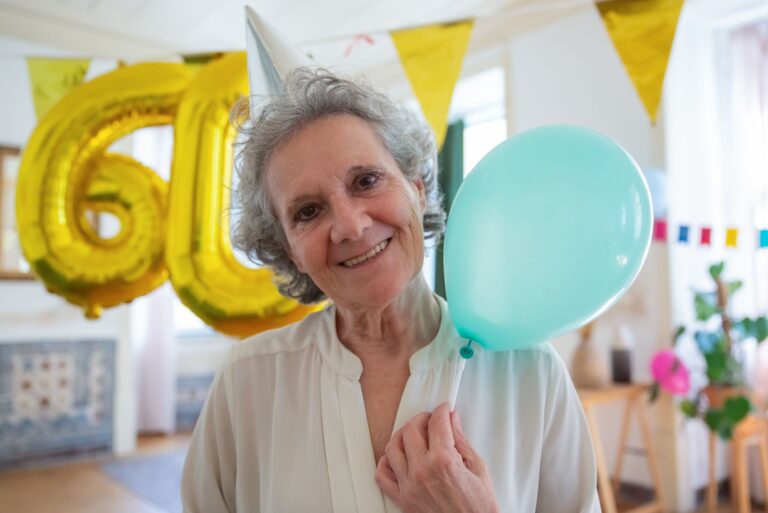
Smiling, laughing, and other visible expressions of happiness are recognized indicators of pleasure, even when advanced dementia makes self-report difficult, according to a Journal of the American Medical Directors Association study. Engagement also matters.
A person may follow the activity, maintain a positive attitude, and remain involved throughout the session. The ENJOY dementia exercise pilot reported high engagement, enjoyment, and mood during its 24-week program. Watch for several signs together:.
- Smiling or laughing during an exercise
- Showing a positive attitude throughout the session
- Staying engaged instead of repeatedly withdrawing
- Giving positive feedback afterward
- Expressing interest in doing the activity again
Listen to what the person says
A person's own account deserves particular weight. They may say the session was enjoyable, mention a favorite exercise, or say they look forward to returning.
Memory or communication difficulties may make detailed answers unreliable or hard to express. ask a short, immediate question such as, "Did you like that?" Then consider the answer alongside facial expressions, attitude, and participation. In one dementia exercise study, participants gave uniformly positive feedback and completed 80.46% of planned sessions, as reported in the American Journal of Alzheimer's Disease & Other Dementias.
What continued participation can tell you
Willing attendance and continued participation support the idea that an activity is acceptable. The ENJOY feasibility trial reported 84.3% adherence, along with high engagement and enjoyment. Participation is not conclusive, however.
A person may cooperate without enjoying the exercise or may need encouragement despite liking it. Researchers do not have a validated checklist that specifically determines exercise enjoyment in dementia. Look for a pattern across multiple sessions. Continued participation becomes more persuasive when it accompanies positive feedback, outward pleasure, and an engaged attitude.
Separate enjoyment from longer-term benefits
An improved mood over several weeks may show that a supervised program is helping. It does not prove that the person enjoyed any particular strength session. That distinction matters because research programs may combine strength work with aerobic exercise, balance, flexibility, and caregiver support.
A mood change cannot automatically be attributed to one exercise or one part of a broader program. Judge immediate enjoyment from what happens during and soon after the activity. Track longer-term mood separately as a possible program outcome.
Check comfort before interpreting engagement
Do not treat participation as enjoyment when the person appears unwell or uncomfortable. Stop the exercise if it causes pain, illness, dizziness, or shortness of breath, following Alzheimer's Society guidance.
Seek clinical guidance before starting a new routine when relevant health conditions could affect safety. Adjust the exercise to the person's abilities and preferences rather than using continued compliance as the goal.