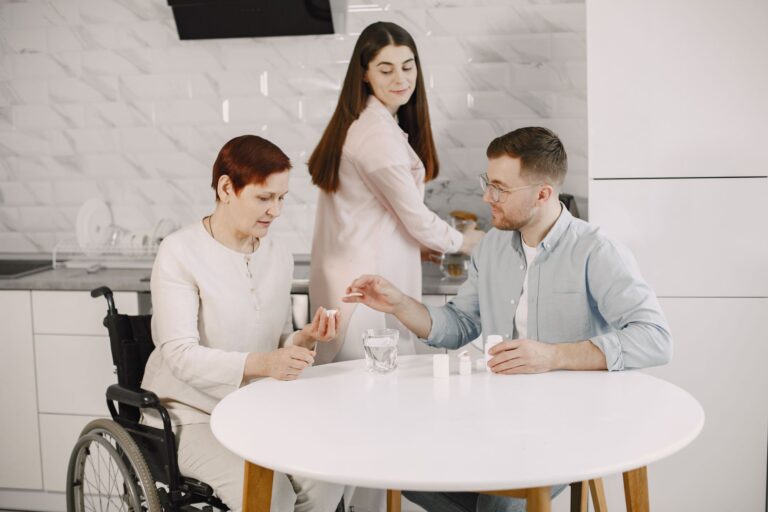
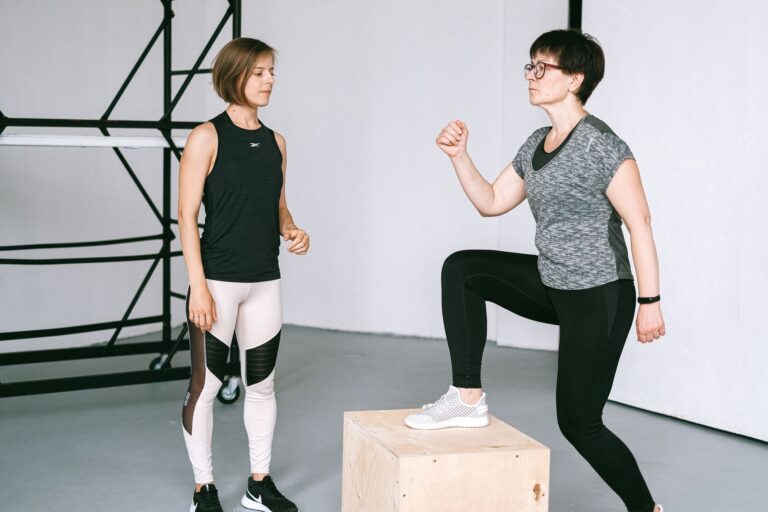
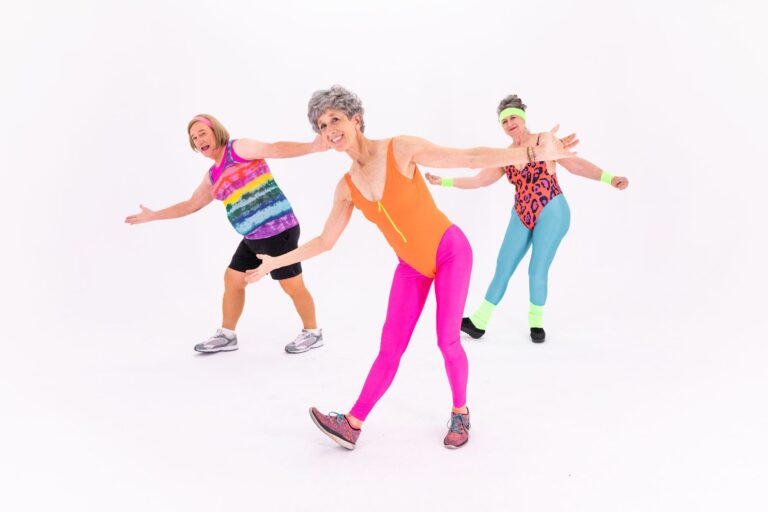
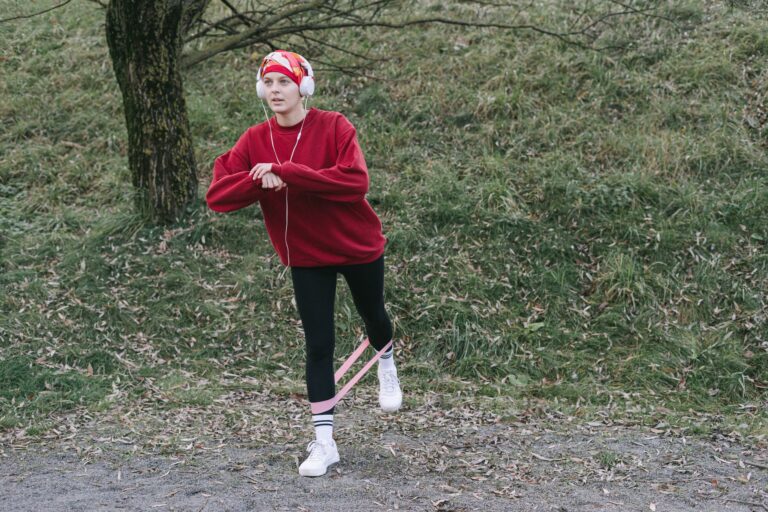
In memory care, simple strength exercises can be adapted for small groups or one-on-one sessions, using seated or supported versions suited to each person. Neither format has proved superior for strength outcomes; choose the format that provides reliable, tailored supervision. Simple strength exercise means working muscles against body weight, a resistance band, or another manageable load. The goal is controlled movement, not heavy lifting or perfect technique.
Medical information disclaimer: This article is for general educational purposes only and does not provide medical advice, diagnosis, or treatment. Always consult a physician or other qualified health professional about symptoms, medications, tests, or treatment decisions.
Table of Contents
- Which exercises are practical?
- How can a group session work?
- When is one-on-one exercise more useful?
- How should caregivers choose between formats?
- Safety checks before and during exercise
Which exercises are practical?
Choose movements that resemble familiar daily actions and can be simplified without changing the goal. The CDC recognizes body-weight exercises and resistance bands as strengthening options for older adults and recommends working major muscle groups at least twice weekly.
Useful starting variations include: Use a comfortable range of motion and slow, clear demonstrations. If standing creates uncertainty, perform the movement seated or with a stable support.
- Rising from a sturdy chair, with hands assisting if needed
- Straightening one knee while seated
- Pushing against a wall
- Pulling a resistance band toward the body while seated
- Raising the heels while holding a chair
How can a group session work?
A small group can provide routine, social contact, and shared cues. The leader can demonstrate one movement at a time while helpers position themselves near participants who need closer support. A practical group sequence might include seated knee extensions, supported chair rises, wall pushes, and heel raises.
Keep instructions brief, repeat the same order, and offer seated and standing versions together. In a Norwegian nursing-home trial, groups of three to six residents with dementia completed tailored, supervised lower-limb strength and balance work twice weekly. The exercise group later showed better balance and agitation scores than controls, although the program combined strength and balance rather than testing strength alone, according to the BMC Geriatrics trial.
When is one-on-one exercise more useful?
One-on-one sessions allow the helper to adjust each movement immediately. This format may be more workable when a person needs repeated cues, close physical support, fewer distractions, or a slower pace. The helper can break a routine into very short blocks.
For example, complete chair rises before breakfast, seated knee extensions later, and supported heel raises in the afternoon. The National Institute on Aging notes that caregivers can exercise alongside the person, adapt activities, and use several short sessions instead of one long workout. Do not assume personal instruction automatically produces better results. One dementia rehabilitation trial found a cognitive improvement only in its group arm, but the sessions differed in length and included broader rehabilitation activities, so it did not establish that group strength training is superior.
How should caregivers choose between formats?
Start with the person's attention, balance, response to other people, and need for physical assistance. A group may suit someone who follows demonstrations and enjoys shared activity. One-on-one support may suit someone who becomes distracted, overwhelmed, or unsafe in a group. A blended plan is also reasonable.
Someone might join seated group movements but complete chair rises or band exercises individually. The available research supports tailored, supervised activity, but mixed programs and small studies do not identify one best format. WHO recommends offering people living with dementia physical exercise three to four times weekly for 30–45 minutes over more than 12 weeks. That guidance covers physical exercise broadly, not strength work alone, and shorter sessions may be needed when attention or stamina is limited, as described in WHO's dementia guidance.
Safety checks before and during exercise
Progress slowly and keep a sturdy chair, wall, or helper within reach. Ask a clinician or physical therapist about any movement that seems uncertain, especially when dementia affects judgment or balance, consistent with National Institute on Aging safety guidance. Before each session:.
- Clear obstacles from the exercise area
- Check that chairs will not slide or tip
- Demonstrate before asking the person to move
- Offer one instruction at a time
- Stop the exercise if safe positioning or control cannot be maintained