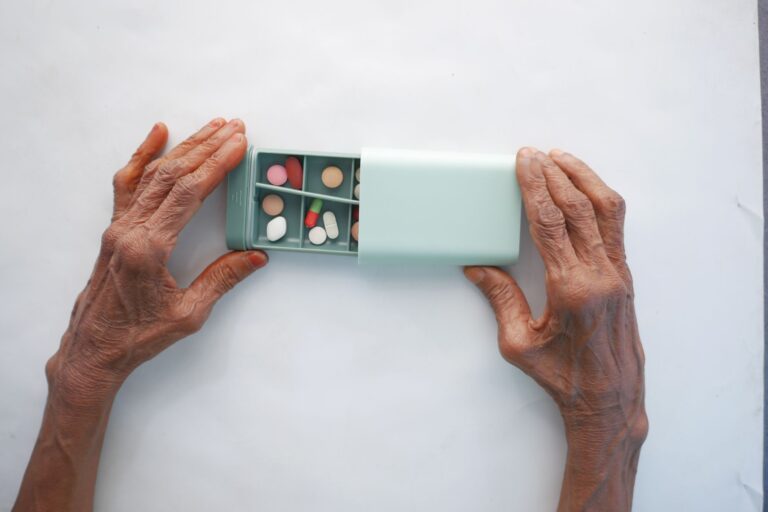
Before starting galantamine, a cholinesterase-inhibitor symptom treatment, ask whether the diagnosis matches its intended use and what benefit is realistic. Also ask about heart risks, side effects, other medicines, organ-function limits, and the exact dosing plan. Write down the answers and involve the person who will help monitor treatment. A shared plan makes it easier to notice meaningful changes, side effects, or problems during dose increases.
Medical information disclaimer: This article is for general educational purposes only and does not provide medical advice, diagnosis, or treatment. Always consult a physician or other qualified health professional about symptoms, medications, tests, or treatment decisions.
Table of Contents
- Does the diagnosis match the treatment?
- Could galantamine affect the heart?
- How will we manage stomach problems and weight loss?
- Which conditions and medicines need review?
- What dose will be used, and when will it increase?
Does the diagnosis match the treatment?
Ask whether the diagnosis is mild-to-moderate dementia of the Alzheimer's type. According to DailyMed's FDA labeling, galantamine is labeled for that condition, not for mild cognitive impairment alone. Next ask, "What improvement should we reasonably expect?" The National Institute on Aging describes cholinesterase inhibitors as symptom treatments that may reduce cognitive and behavioral symptoms.
They do not cure Alzheimer's, and their effectiveness declines as the disease progresses. Benefits may also appear in some areas but not others. In a six-month trial reported in the DailyMed prescribing information, extended-release galantamine improved cognitive and daily-living scores versus placebo. However, it did not significantly improve the study's primary overall clinician-impression measure.
Could galantamine affect the heart?
Ask whether a history of fainting, slow heart rate, or a heart-conduction problem changes the risk. Galantamine can slow the heart rate and cause heart block even in people without known conduction disease. Fainting became more common at higher doses in clinical trials.
The FDA labeling available through DailyMed reports syncope in 2.2% of patients taking 12 mg twice daily, compared with 0.7% receiving placebo. Before the first dose, ask whether any heart assessment is appropriate and what to do if fainting or worsening dizziness occurs. Make sure the caregiver knows whom to contact.
How will we manage stomach problems and weight loss?
Ask which side effects warrant a call and how intake, hydration, and weight will be monitored. Reported effects include nausea in 20.7% of patients, vomiting in 10.5%, diarrhea in 7.4%, decreased appetite in 7.4%, and dizziness in 7.5%. Weight loss can also occur. During dose increases, caregivers can track meals, fluids, digestive symptoms, dizziness, and weight.
Share declining intake, hydration concerns, or weight loss with the prescriber rather than waiting for the next routine visit. Mention any ulcer history and all nonsteroidal anti-inflammatory drugs, or NSAIDs. Galantamine may increase stomach acid, so people with these risks need monitoring for gastrointestinal bleeding. Clinical studies did not show more ulcers or gastrointestinal bleeding than placebo, but the individual risk still needs review.
Which conditions and medicines need review?
Bring a complete list of prescriptions, over-the-counter medicines, and supplements. Ask specifically whether galantamine could conflict with anticholinergic medicines, other cholinesterase inhibitors, or other drugs that increase cholinergic activity.
Tell the prescriber about: Galantamine can worsen these risks or interact with succinylcholine-type anesthetics. Before any planned procedure, make sure the prescribing clinician and anesthesia team know galantamine is being used.
- Asthma or chronic obstructive pulmonary disease
- Urinary obstruction
- A seizure history
- Planned surgery or anesthesia
What dose will be used, and when will it increase?
If extended-release galantamine is prescribed, ask for the schedule in writing. It starts at 8 mg each morning with food. The dose should not increase to 16 mg until at least four weeks have passed, and 24 mg requires at least another four weeks plus acceptable benefit and tolerability. Ask whether liver or kidney function limits the dose.
Moderate liver impairment or creatinine clearance of 9–59 mL/min limits extended-release galantamine to 16 mg daily. Creatinine clearance estimates how effectively the kidneys filter waste. Use is not recommended with severe liver impairment or creatinine clearance below 9 mL/min. Before each increase, review side effects, weight, hydration, and any observable change in cognition or daily activities.