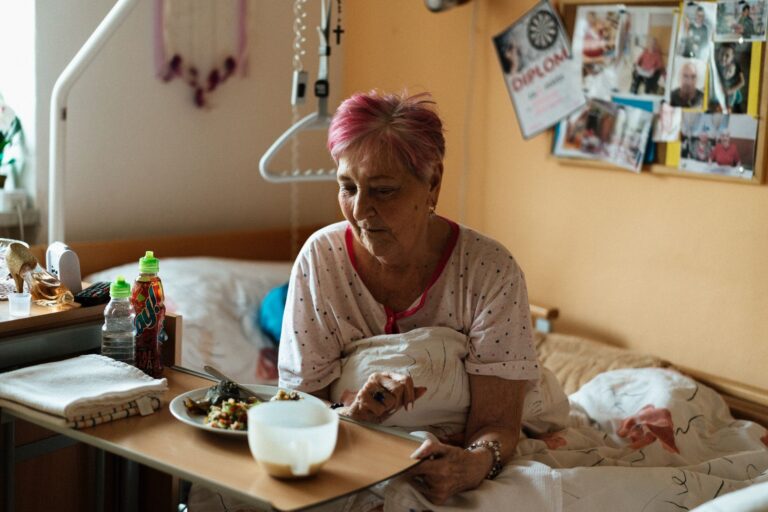
The SLUMS cognitive test can detect signs of dementia with promising accuracy, but it is a screening tool, not a diagnosis. The form has no stated licensing fee; a concerning score calls for clinical assessment, which may add healthcare costs. SLUMS is a 30-point, clinician-administered screen. It checks orientation, memory, attention, and executive function—the mental skills used to plan, organize, and solve problems.
Medical information disclaimer: This article is for general educational purposes only and does not provide medical advice, diagnosis, or treatment. Always consult a physician or other qualified health professional about symptoms, medications, tests, or treatment decisions.
Table of Contents
- What do SLUMS scores mean?
- How accurate is the SLUMS test?
- When is SLUMS unsuitable or unnecessary?
- What does SLUMS cost, and what happens next?
What do SLUMS scores mean?
Education affects how clinicians interpret SLUMS scores. According to the Saint Louis University SLUMS form, scores of 27–30 are normal for people with a high-school education. The normal range is 25–30 for those with less education.
The form places scores of 1–20 in its dementia range for people with a high-school education. For those with less than high school, that range is 1–19. These classifications indicate whether further evaluation may be appropriate; they do not establish a cause or diagnosis.
How accurate is the SLUMS test?
Early findings were strong. A U.S. Department of Veterans Affairs evidence review reported 98%–100% sensitivity and specificity for the original education-adjusted dementia cutoffs. Those results came from 702 U.S. veterans aged 60 or older in a geriatric-clinic population.
Sensitivity describes how often a test flags people who have the condition. Specificity describes how often it correctly clears people who do not. Results from one specialized population may not transfer perfectly to every clinic or patient group. The original pilot study found slums and the MMSE had comparable dementia-detection accuracy. SLUMS performed better for mild neurocognitive disorder by one statistical measure, but the authors called for further study. A 2022 systematic review still described the overall evidence as preliminary because normative data and reliability information remained limited.
When is SLUMS unsuitable or unnecessary?
SLUMS includes visual tasks. Standardized guidance says clinicians should not use it as a complete or partial test when someone cannot see well enough to perform those items. Vision problems should be discussed before testing so a low score is not misinterpreted. The same guidance advises against repeating SLUMS more than once a year for the same person.
Frequent retesting is therefore not an appropriate way to monitor every short-term change. Routine screening is also unsettled for older adults living in the community who have no recognized symptoms. The U.S. Preventive Services Task Force found insufficient evidence to recommend for or against it, while advising clinicians to stay alert to memory or language concerns.
What does SLUMS cost, and what happens next?
Saint Louis University describes the SLUMS Examination as copyright-free and provides the form online. The instrument therefore has no stated licensing fee, but the appointment, administration, and follow-up evaluation may still create healthcare costs.
Before or after screening: A concerning result should lead to assessment, not an immediate dementia label. The National Institute on Aging says diagnosis may involve medical history, daily functioning, cognitive and neurologic findings, examination, and laboratory testing for potentially treatable contributors.
- Ask what charges apply to the visit, screening, and follow-up.
- Tell the clinician about any vision difficulty before testing begins.
- Bring a concise timeline of changes in memory, language, judgment, or daily functioning.
- Ask what the score means in light of education, symptoms, and everyday abilities.