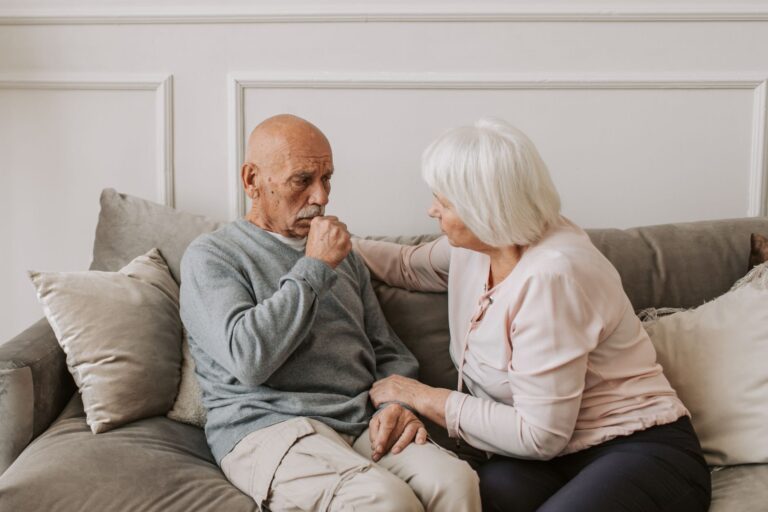
Common caregiver mistakes include dismissing nighttime wandering as misbehavior, relying on one alarm, restricting fluids too much, and waiting too long to report someone missing. Nighttime wandering means moving through or leaving a safe area during usual sleeping hours, often amid confusion, agitation, or restlessness. A safer response combines pattern tracking, attention to basic needs, home safeguards, medical review, and a rehearsed missing-person plan. The goal is not to force sleep, but to reduce danger while identifying what may be driving the behavior.
Medical information disclaimer: This article is for general educational purposes only and does not provide medical advice, diagnosis, or treatment. Always consult a physician or other qualified health professional about symptoms, medications, tests, or treatment decisions.
Table of Contents
- Do not assume wandering is rare or deliberate
- Look for patterns and unmet needs
- Avoid unsafe containment and unattended nights
- Do not rely on restraint, sedation, or one device
- Prepare before someone goes missing
Do not assume wandering is rare or deliberate
Wandering is not limited to late-stage dementia. The Alzheimer's Association says everyone with Alzheimer's or another dementia is at risk, and six in 10 people wander at least once, according to its caregiver guidance on wandering. Treating the behavior as deliberate defiance can make an already confusing situation more upsetting.
"Sundowning" describes changes that emerge or intensify from dusk into the night. These may include anxiety, agitation, pacing, disorientation, and difficulty sleeping. The exact cause of sundowning remains unknown, according to the Alzheimer's Association's guidance on sleep issues and sundowning. A calm response is therefore more useful than arguing, scolding, or demanding an explanation the person may be unable to give.
Look for patterns and unmet needs
A caregiver who handles each episode as an isolated event may miss a preventable pattern. Record when wandering starts, what happened beforehand, where the person tried to go, and whether the episode followed a quiet or active period. Once a likely time emerges, schedule supervised activity or exercise around that period.
This approach may reduce anxiety, agitation, and restlessness. A simple log can also give clinicians more specific information than a general report that the person "does not sleep." Do not overlook ordinary needs. Toileting, hunger, thirst, incontinence, discomfort, or a disrupted routine may require attention. Caregivers may reduce liquids for up to two hours before bedtime, but they should not eliminate evening fluids or neglect hydration.
Avoid unsafe containment and unattended nights
Locking a person in the home is unsafe. Instead, use layers that alert a caregiver or make risky exits less likely without depending on constant observation.
Useful safeguards include: Leaving a person with advanced dementia alone overnight can turn confusion into an emergency. MedlinePlus recommends door and window alarms, identification, neighbor notification, GPS consideration, blocked dangerous areas, and removal of tripping hazards in its dementia wandering safety guidance.
- Out-of-sight exterior deadbolts
- Night-lights along walking routes
- Alerts that sound when a door opens
- Pressure mats near the bed or exterior doors
- Protected access to stairs and outdoor areas
Do not rely on restraint, sedation, or one device
Physical restraint is not a routine solution for an upset person who is walking at night. Calm reassurance and supervised pacing may allow the person to move without being left unprotected. Reflexively using sedation can also miss a medical contributor. The Alzheimer's Association advises medical review for possible problems such as urinary tract infection, incontinence, restless legs, or sleep apnea.
When sleep problems stem from Alzheimer's, non-drug measures should come first. Technology has limits as well. A door alarm may signal an exit but cannot identify someone later. GPS may help locate a person but should supplement—not replace—identification, supervision, alerts, and a response plan. Federal guidance recommends keeping a recent photograph, using identification, considering GPS as an added layer, and telling neighbors and local police about the wandering risk, according to the National Institute on Aging's wandering preparedness recommendations.
Prepare before someone goes missing
Waiting to make a plan until a person disappears wastes critical time. Keep identification information and a recent photo ready, and make sure household members know who will search, who will call for help, and what information to provide.
If the person is missing: The 15-minute threshold is not a waiting period. Searching should begin at once, with the emergency call made no later than that point if the person remains missing.
- Begin searching immediately.
- Check the nearby area.
- Call 911 if the person is not found within 15 minutes.
- State clearly that the missing person has dementia.