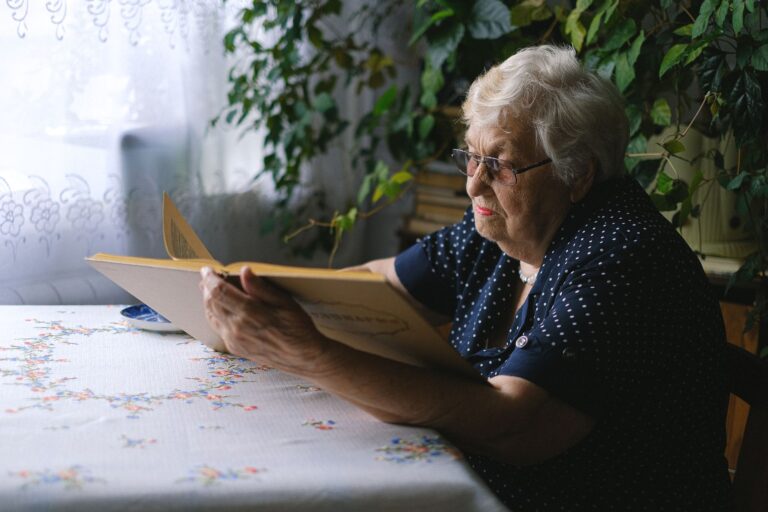
A life story book records a person's important experiences, relationships, places, values, and beliefs. To make one, gather meaningful items, choose simple themes, create pages together, and use the finished book for conversation and person-centred care. The book can be a scrapbook, photo album, binder, or digital collection. The Alzheimer's Society's memory-support guidance recommends involving the person with dementia so the book reflects their voice and choices.
Medical information disclaimer: This article is for general educational purposes only and does not provide medical advice, diagnosis, or treatment. Always consult a physician or other qualified health professional about symptoms, medications, tests, or treatment decisions.
Table of Contents
- Decide what the book should contain
- Gather and organize the materials
- Build the book step by step
- Keep each session comfortable
- Use the book in everyday care
Decide what the book should contain
A life story book does not need to be a complete autobiography. It can focus on the people, events, places, activities, and beliefs that matter most to the person.
Start with a few manageable themes: Let the person decide what deserves space. Leave out topics they do not wish to discuss, even if relatives consider those events important.
- Important relatives, friends, colleagues, and pets
- Childhood, school, work, or military experiences
- Weddings, holidays, celebrations, and other memorable events
- Favorite hobbies, music, meals, sports, or routines
- Places the person lived, visited, or valued
Gather and organize the materials
Collect photographs, postcards, letters, certificates, tickets, recipes, and other mementoes. Use copies when an original item is fragile, unique, or needed elsewhere. Sort the material into simple themes rather than forcing it into strict date order.
The Alzheimer's Society's Activities Handbook suggests arranging pages around relationships, events, and enjoyable activities and adding the person's own notes beside images. Choose a format that suits the person and caregiver. A binder makes pages easy to add or rearrange, while a digital version can combine pictures and recorded speech. Clear pages with one main subject are easier to discuss than crowded collages.
Build the book step by step
Begin with a subject the person enjoys, such as a favorite holiday or a close relative. Make one or two pages before deciding what to add next.
For each page: Prompts can include familiar music, meaningful objects, or scents associated with an activity. Labels may also spare the person the embarrassment of being unable to identify someone or somewhere, according to the Alzheimer's Society's reminiscence guidance.
- Choose one person, place, event, or activity.
- Add one or more relevant pictures or objects.
- Label people and places clearly.
- Invite the person to describe what matters about the subject.
- Record their words in the first person when possible.
Keep each session comfortable
Work in short sessions and cover one topic at a time. Follow the person's interest rather than a fixed checklist, and stop when attention or enjoyment fades. Treat the activity as storytelling, not a memory test. Family members may remember an event differently, but correcting every detail can interrupt the pleasure and meaning of sharing it.
Record uncertainty gently—"possibly in Brighton" or "about 1965"—when a precise detail is necessary. Some photographs or stories may bring up grief, fear, or other painful feelings. Allow the person to express those feelings, ask whether they want to continue, and pause or change the subject if distress persists. Do not include a sensitive story simply because it seems historically important.
Use the book in everyday care
Keep the book somewhere accessible and use it when the person wants conversation or connection. A visitor might open to a page about gardening, while a professional caregiver could use a music page to learn what the person enjoys. Life-story and reminiscence work may support identity, confidence, conversation, social interaction, and understanding between the person and caregivers.
However, the evidence is not definitive: a 2018 systematic review in International Psychogeriatrics found promising results but noted that most studies had small samples and larger trials were still needed. Review the book with the person before sharing it. Remove or restrict any page they consider private, and update names, captions, or preferred topics whenever they ask.