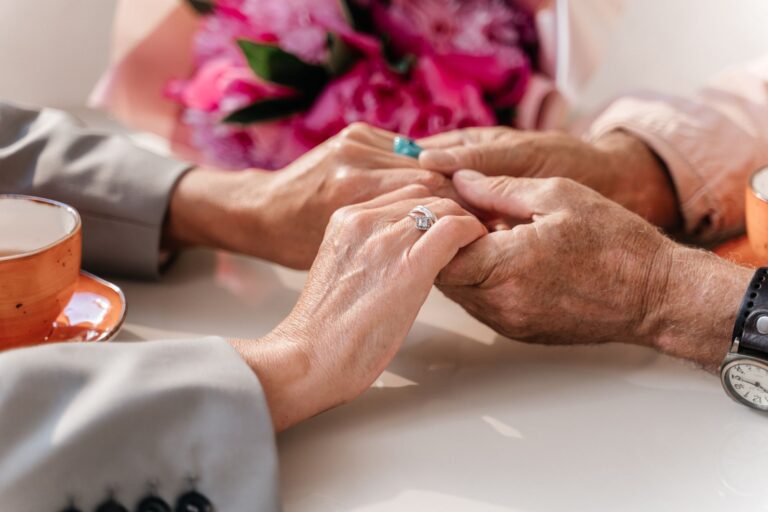
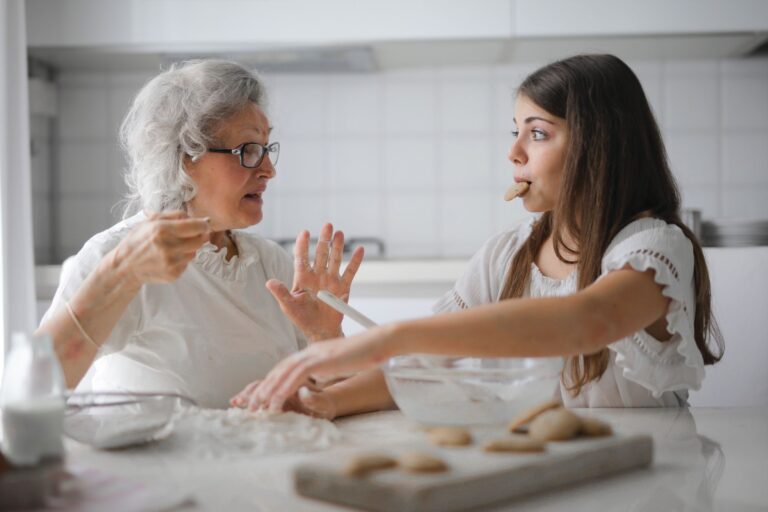
For a dementia caregiver, cooking a familiar family recipe can create comforting shared time and a manageable way for the person to participate. Its value lies less in a perfect dish than in safe involvement matched to current abilities; it is not a proven treatment or guaranteed caregiver benefit. Here, a familiar family recipe means a dish connected to household tradition or routine, not a test of memory. The caregiver's role is to simplify the activity, support what remains possible, and take over steps that have become difficult or unsafe.
Medical information disclaimer: This article is for general educational purposes only and does not provide medical advice, diagnosis, or treatment. Always consult a physician or other qualified health professional about symptoms, medications, tests, or treatment decisions.
Table of Contents
- What should count as success?
- How can the caregiver adapt the recipe?
- When does cooking become unsafe?
- What if the familiar food is no longer appealing?
- What does the evidence actually show?
What should count as success?
The Alzheimer's Association includes making a traditional family recipe among possible activities for people with dementia. Its activity guidance emphasizes following the person's current interests and abilities while putting safety first. That changes the definition of success.
The useful outcome may be stirring one bowl, watching part of the preparation, or simply spending calm time together—not completing the original recipe exactly. Avoid using the activity to check whether the person remembers ingredients, methods, or family stories. If interest fades or frustration grows, change the task or end the session without treating that response as failure.
How can the caregiver adapt the recipe?
Dementia can make planning and completing a sequence harder. The Alzheimer's Association recommends simple, one-step directions and taking over difficult actions—for example, measuring ingredients while inviting the person to stir.
The Alzheimer's Society similarly advises dividing food preparation into individual tasks and letting the person do only what they can safely manage. A practical division might be: This approach preserves participation without requiring the person to manage the entire recipe. The appropriate task may change from one cooking session to the next.
- The caregiver gathers and measures the ingredients.
- The person completes one clear action, such as stirring.
- The caregiver handles any step that becomes confusing or unsafe.
- The activity stops when it no longer suits the person's interest or ability.
When does cooking become unsafe?
Cooking together may require close supervision because Alzheimer's can affect judgment and the ability to remember appliance use. The Alzheimer's Association's home-safety guidance recommends safeguards such as automatic shut-off appliances, stove-knob covers, removed knobs, or shutting off unused gas. The caregiver should control heat, appliances, and any other step the person cannot reliably manage.
A no-heat task can still provide meaningful participation when using the stove is no longer appropriate. Familiarity does not make a task safe. Even if someone prepared the dish for decades, decisions should reflect what that person can manage now.
What if the familiar food is no longer appealing?
A known recipe may not remain recognizable, enjoyable, or nutritionally suitable. According to the Alzheimer's Association, dementia can change taste, smell, food recognition, and preferences. Do not insist that the person should like a dish because they once did.
Notice their present response and be willing to alter the activity or choose another food. Later swallowing problems can increase choking and weight-loss risks. If swallowing becomes difficult, set aside assumptions about tradition or preference and seek individualized guidance before serving the recipe again.
What does the evidence actually show?
Research has not directly established that cooking a familiar family recipe improves outcomes for dementia caregivers. The closest caregiver randomized trial reported in 2023 involved 60 pairs, older adults with subjective cognitive decline rather than diagnosed dementia, and a five-week adapted cooking program rather than family recipes. Both participants and caregivers improved more on a combined well-being measure than wait-list controls.
A 2017 Japanese facility trial analyzed 29 residents with dementia who joined a 12-week, staff-supported cooking program. Behavioral-disturbance scores improved and executive function was maintained compared with controls, but the small, single-site study and unequal activity time limit its relevance to family kitchens. These findings make adapted shared cooking promising, not proven therapy. If the task stops fitting the person's abilities, change it or stop—even when the recipe carries family meaning.