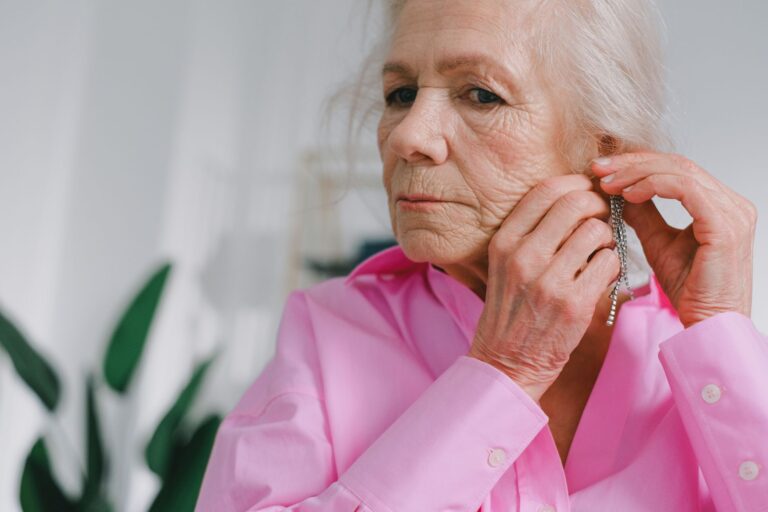
A "quiet birthday" is not a clinical term; it describes a subdued celebration shaped around a person living with dementia. Its emotional weight often comes from holding affection, change, grief, and gratitude at the same time. The day may highlight lost abilities or altered relationships, even when it also brings comfort. Its meaning depends on the person, the dementia stage, and the family—not on birthdays causing a distinct dementia outcome.
Medical information disclaimer: This article is for general educational purposes only and does not provide medical advice, diagnosis, or treatment. Always consult a physician or other qualified health professional about symptoms, medications, tests, or treatment decisions.
Table of Contents
- Why can the day feel so significant?
- Is sadness a form of anticipatory grief?
- What should the celebration ask of the person?
- How can families create connection without testing memory?
- Care for the caregiver after the guests leave
Why can the day feel so significant?
Birthdays usually connect the present with shared history. Dementia can disrupt that connection when the person cannot recall the occasion, recognize guests, follow conversation, or express familiar emotions. Dementia involves cognitive and behavioral decline severe enough to disrupt daily life.
Because it ranges from mild impairment to complete dependence, the demands and meaning of a celebration can change substantially over time, according to the National Institute on Aging's overview of dementia. A spouse may miss an old birthday ritual. An adult child may notice that a parent no longer understands a family joke. These moments can feel like losses, even while the person remains physically present.
Is sadness a form of anticipatory grief?
It can be. Anticipatory grief means grieving losses before a person dies, including changes in communication, independence, companionship, or family roles. A systematic review of 55 quantitative studies found that higher caregiver grief was associated with advanced dementia, greater care burden, depression, and being the person's spouse.
However, the researchers also found substantial differences among studies, so no single emotional pattern applies to every family in this review published in International Psychogeriatrics. A subdued birthday does not automatically indicate a mental health disorder. Sadness, relief, warmth, guilt, and numbness can appear together without making the celebration unhealthy or unsuccessful.
What should the celebration ask of the person?
The occasion should fit the person's current comfort and abilities, rather than test whether they can perform a familiar social role. A successful birthday might be ten peaceful minutes with music and cake, not a large gathering.
Consider these adjustments: The NIA recommends adapting activities to current abilities, reducing disruptions, and preserving enjoyable routines. Its guide to adapting activities and holidays can help families plan without making memory performance the measure of success.
- Keep one or two preferred traditions rather than recreating every custom.
- Schedule the celebration during the person's more comfortable time of day.
- Limit visitors, noise, and unexpected changes.
- Provide a quiet place for rest.
- Ask relatives to help with food, guests, transport, or personal care.
How can families create connection without testing memory?
Use warm, patient communication and allow extra time for a response. Pay attention to facial expressions, posture, tone, and other nonverbal signs that may show comfort or distress.
Avoid questions such as "Do you remember whose birthday it is?" or "Don't you recognize your grandson?" Instead, offer the information gently: "It's your birthday, and Sam came to spend some time with you." Connection can rest in the present. Holding a hand, listening to familiar music, sharing a favorite food, or sitting together may still be meaningful even if the person does not remember the visit later.
Care for the caregiver after the guests leave
The emotional impact may become clearer after the celebration. More than 11 million U.S.
adults provide unpaid dementia care, and these caregivers face higher risks of anxiety, depression, and poorer quality of life than other caregivers, according to the CDC's caregiving overview. Before the birthday, choose one person who can share practical duties and check on the primary caregiver afterward. If the day leaves persistent distress or makes daily caregiving harder, consider contacting a health professional or caregiver-support service; support may help, but current research does not establish a reliable cure for anticipatory grief.