Leqembi (lecanemab), administered as an intravenous infusion, can trigger amyloid-related imaging abnormalities—brain swelling or microhemorrhages—that usually cause no symptoms but occasionally produce headaches, confusion, or vision changes. IQLIK is the at-home starting dose formulation of Leqembi approved by the FDA, designed to begin treatment before patients progress to moderate cognitive decline. Injection reactions and serious adverse effects are rare, but understanding what to watch for helps you and your healthcare team catch and manage any warning signs early.
The most common concern is not a traditional injection "reaction" but rather amyloid-related imaging abnormalities (ARIA), which appear on brain MRI scans as part of how the treatment works. Most patients experience no symptoms. This guide explains which reactions need immediate attention, who faces higher risk, and what monitoring involves.
Medical information disclaimer: This article is for general educational purposes only and does not provide medical advice, diagnosis, or treatment. Always consult a physician or other qualified health professional about symptoms, medications, tests, or treatment decisions.
Table of Contents
- Types of Reactions and Symptoms
- Who Is at Higher Risk
- Monitoring Requirements and What to Report
- Medical Management of ARIA
- Practical Steps Before and During Treatment
- Frequently Asked Questions
Types of Reactions and Symptoms
leqembi can cause two types of brain changes detected on mri: amyloid-related imaging abnormality with edema (ARIA-E)—swelling in brain tissue—and amyloid-related imaging abnormality with microhemorrhages (ARIA-H)—tiny bleeds. In the CLARITY-AD trial, 21% of Leqembi recipients developed ARIA-E and 17% developed ARIA-H, compared to 9% and 3% respectively in the placebo group. Most people with ARIA have no symptoms and discover it only through scheduled MRI monitoring.
When symptoms do occur, they may include sudden headache (especially at the back of the head), confusion, memory loss, disorientation to time or place, vision changes, nausea, or difficulty speaking. These warrant immediate medical evaluation, not home management. Symptoms typically appear within the first few months of treatment, though they can develop later.
Who Is at Higher Risk
Carriers of the APOE4 gene—inherited from one or both parents—face notably elevated risk of developing ARIA. People with two copies of APOE4 (homozygous) have the highest risk. Other factors that increase susceptibility include older age, baseline presence of amyloid on brain imaging, high amyloid burden, and concurrent use of blood-thinning medications.
Your doctor should review your genetic status, age, imaging results, and medications before starting Leqembi. Having APOE4 does not mean you will develop ARIA or that you cannot safely take Leqembi—only that the risk is higher and requires closer monitoring. Your prescriber will determine eligibility based on these factors and the FDA prescribing label criteria.
Monitoring Requirements and What to Report
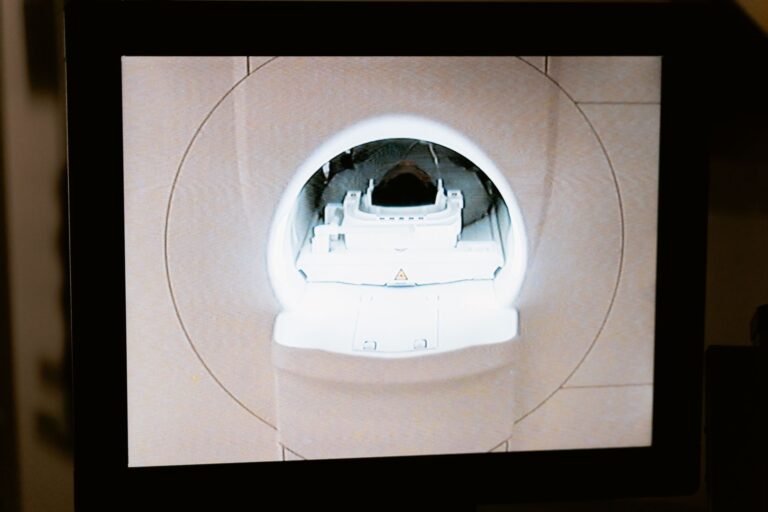
Leqembi requires MRI surveillance to detect ARIA before symptoms develop. You will need a baseline MRI before treatment begins and periodic MRI scans during infusions to screen for brain changes. Your care team will schedule these at specific intervals—typically every few months early in treatment.
Some infusion centers now offer home-based IV administration to reduce burden, but MRI monitoring remains essential. Between MRI scans, watch for and immediately report headaches that are new or different from your usual headaches, confusion or memory lapses that seem worse than baseline cognitive decline, vision problems, difficulty speaking, nausea, or vomiting. A "symptom diary" can help track what is normal for you versus what is new. Call your neurologist or infusion center at the first sign of these changes rather than waiting for your next appointment.
Medical Management of ARIA
If ARIA is detected on MRI without symptoms, your doctor may pause or slow the infusion schedule to allow your brain to stabilize, then restart at a lower dose or slower rate. If ARIA causes symptoms, the infusion is typically stopped until symptoms improve and MRI confirms stability, then may restart under close monitoring. Treatment with corticosteroids may be needed to reduce brain swelling, especially for ARIA-E.
The goal is to balance the cognitive benefit of Leqembi against the risks of imaging abnormalities and symptoms. This is an individual decision made with your neurologist. Some patients continue treatment after dose adjustment or pause; others decide the risk is not acceptable and discontinue. Real-world outcome data shows most patients who experience managed ARIA continue to benefit from cognitive slowing, but outcomes vary.
Practical Steps Before and During Treatment
Before starting Leqembi IQLIK, request your APOE4 genotype status from your neurologist and ask how your risk factors affect your personal risk estimate. Confirm that a baseline MRI is scheduled before your first dose and that follow-up scans are calendared. If you take aspirin, warfarin, or other anticoagulants, discuss this with your prescriber, as these may increase ARIA-H risk.
During treatment, keep MRI appointments even if you feel well—imaging abnormalities can develop silently. Maintain a list of any new headaches, cognitive changes, or vision shifts to report at infusions or between doses. Ask your care team for a 24-hour hotline number or emergency contact protocol so you know who to call if you develop sudden neurological symptoms at home. Write down your MRI results and ARIA status so you can understand your own imaging findings and discuss them with your neurologist.
Frequently Asked Questions
Is an "injection reaction" different from ARIA?
Yes. A traditional injection reaction (rash, breathing trouble, immediate swelling) is extremely rare with Leqembi. ARIA is a delayed brain change that develops over weeks or months and is detected on MRI, not felt as an acute reaction. Most patients have ARIA on imaging but no symptoms at all.
If I have APOE4, should I avoid Leqembi?
Not automatically. APOE4 increases risk but does not make treatment unsafe. Your neurologist will weigh your cognitive decline, age, imaging results, and APOE4 status to help you decide. Many APOE4 carriers safely complete Leqembi treatment with standard monitoring.
What happens if I develop symptoms during treatment?
Contact your infusion center or neurologist immediately. Treatment will be paused to allow your brain to stabilize, confirmed by MRI, and possibly restarted at a lower dose if benefits outweigh risks. Most symptoms improve with dose adjustment or brief treatment pause.
How long do I need MRI scans?
You need a baseline MRI before treatment and periodic scans during the infusion phase (typically months 1–18). After infusions end, the schedule depends on your MRI results and your neurologist's judgment, but monitoring is part of standard care for as long as you are on treatment.