A negative Alzheimer's blood test does not mean you don't have cognitive symptoms or that those symptoms will go away. The blood test detects amyloid plaques and tau tangles—abnormal proteins in the brain—not the cognitive decline itself. If your test is negative and your symptoms continue, the test correctly rules out Alzheimer's amyloid pathology in roughly 9 of 10 cases, but it does not identify what is causing your impairment.
Cognitive decline has many causes. About 1 in 5 older adults with memory loss or thinking problems have amyloid-negative pathology, meaning their decline stems from something other than classic Alzheimer's disease—such as tau deposits alone, Lewy bodies, vascular damage, or depression. A negative test is information, not reassurance, and it redirects you toward finding the actual cause.
Medical information disclaimer: This article is for general educational purposes only and does not provide medical advice, diagnosis, or treatment. Always consult a physician or other qualified health professional about symptoms, medications, tests, or treatment decisions.
Table of Contents
- How the Alzheimer's Blood Test Works
- Why Symptoms Persist After a Negative Test
- What a Negative Test Tells You
- What to Do After a Negative Test
- What Happens Over Time in Amyloid-Negative Cases
- Frequently Asked Questions
How the Alzheimer's Blood Test Works
The FDA approved the first plasma blood biomarker test (Lumipulse G) in May 2025 to detect amyloid pathology in symptomatic patients over 55. The test measures phosphorylated tau proteins and the ratio of amyloid-beta in your blood. These proteins mirror what appears in the brain: amyloid plaques and tau tangles are hallmarks of Alzheimer's disease pathology.
The test is accurate for what it measures. When the test is negative, it correctly excludes amyloid pathology in 87–88% of cases—meaning nine out of ten negative results are true negatives. But the test does not measure cognitive function, memory loss, or brain atrophy. It does not predict whether you will decline, stay stable, or improve.
Why Symptoms Persist After a Negative Test
alzheimer's disease pathology is only one of many causes of cognitive decline in older adults. Between 7% and 35% of older adults with cognitive impairment are amyloid-negative, meaning their symptoms come from a different source. Common alternatives include: TDP-43 pathology alone causes cognitive impairment of similar severity to Alzheimer's disease, but blood tests do not yet detect it routinely in clinical settings.
- **LATE (limbic-predominant age-related TDP-43 encephalopathy)**: TDP-43 protein deposits that mimic Alzheimer's symptoms but are invisible to amyloid blood tests.
- **Lewy body disease**: Alpha-synuclein deposits that cause memory loss, movement problems, and hallucinations.
- **Vascular cognitive impairment**: Stroke, small-vessel disease, or reduced blood flow to the brain.
- **Depression or anxiety**: Can cause forgetfulness, slow thinking, and difficulty concentrating.
- **Sleep disorders, thyroid dysfunction, or vitamin deficiency**: Reversible causes that worsen cognition.
What a Negative Test Tells You
A negative Alzheimer's blood test is specific: it means amyloid plaques are not accumulating in your brain, or are present at very low levels below the test's threshold. It does not mean you are cognitively normal. It does not mean your symptoms are psychological or "not real." It does not predict your future cognitive trajectory.
The test detects current brain pathology, not disease progression or rate of decline. Some amyloid-negative patients remain cognitively stable for years; others decline due to other pathologies. A negative result eliminates one diagnosis but requires further investigation to find the actual cause.
What to Do After a Negative Test
If your cognitive symptoms persist despite a negative Alzheimer's blood test, the next steps focus on identifying the real cause: After a negative amyloid blood test with persistent symptoms, this fuller evaluation is standard clinical practice.
- **Neuropsychological testing**: A structured cognitive assessment by a specialist pinpoints which thinking skills are impaired and how severely.
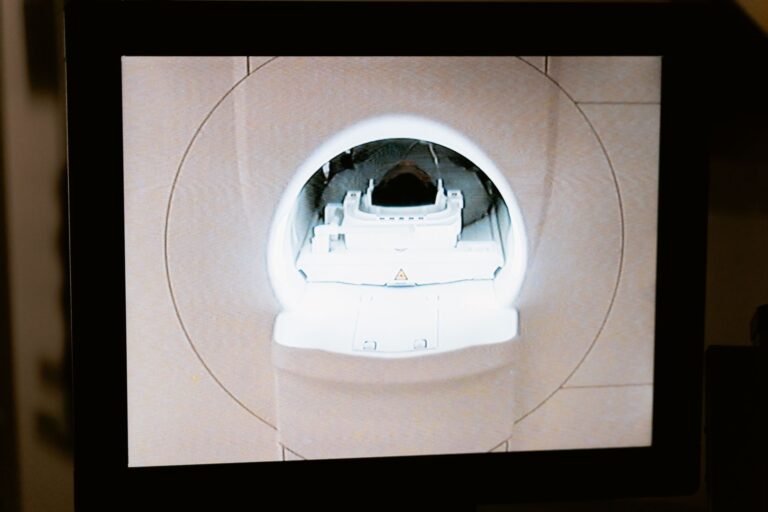
- **Brain MRI**: Detects atrophy patterns, stroke, small-vessel disease, and structural changes that suggest LATE, frontotemporal dementia, or vascular causes.
- **PET imaging or advanced MRI**: If available and clinically indicated, can visualize tau, Lewy bodies, or other pathologies.
- **Medical workup**: Blood tests for B12, thyroid function, metabolic disorders, and mood screening (depression and anxiety are treatable causes of cognitive impairment).
- **Specialist consultation**: A neurologist or cognitive specialist can integrate test results and recommend a diagnosis and treatment plan.
What Happens Over Time in Amyloid-Negative Cases
Cognitive outcomes are heterogeneous in amyloid-negative patients. Among those with mild cognitive impairment and negative amyloid tests, roughly 1 in 4 eventually develop non-Alzheimer's dementia; many remain stable; and some experience psychiatric illness unrelated to neurodegeneration. Stable disease is common but not guaranteed. Your future course depends on the underlying pathology.
Vascular cognitive impairment may stabilize with stroke prevention. LATE or Lewy body disease typically progress, though rates vary widely. Depression-related cognitive impairment often improves with treatment. Tracking cognitive changes over time with repeat testing and imaging helps clarify your diagnosis and guides long-term management.
Frequently Asked Questions
Should I get a second blood test if my first is negative?
Generally no—one negative result is reliable. A repeat test becomes relevant only if recommended by your neurologist in response to new symptoms or clinical changes.
Can a negative blood test become positive later?
Amyloid pathology is typically present for years before cognitive symptoms appear. A negative test at one point can theoretically become positive if new amyloid accumulates, but this is rare in older adults and would require clinical follow-up to assess.
Does a negative test mean I won't develop dementia?
No. It means amyloid-driven Alzheimer's dementia is unlikely, but you could develop dementia from other causes—TDP-43, vascular disease, or Lewy bodies—or remain cognitively stable. Long-term follow-up is necessary.
Are there treatments available if my test is negative?
Treatments depend on the actual diagnosis. If vascular disease is found, blood pressure and cholesterol management help. If depression is present, medication and therapy can improve cognition. If LATE or Lewy body disease is diagnosed, symptom management and specialist care apply. This is why identifying the underlying cause matters.