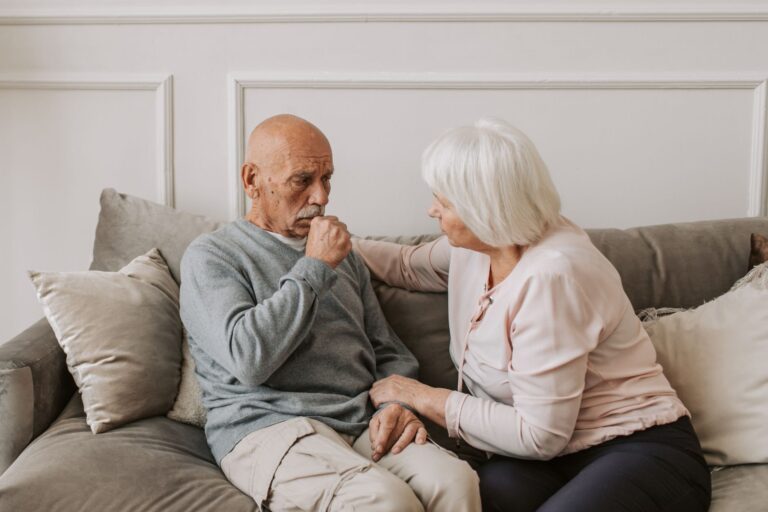
Nighttime wandering in dementia is safest to manage with layers of protection: door alarms that alert a caregiver without restricting emergency exits, low-glare lighting that makes the route to the bathroom easy to follow, and a steady sleep routine that reduces confusion and restlessness. For example, if a person regularly wakes at 2 a.m. looking for the bathroom, a motion-activated night-light, a clear hallway, and a bedside alert may prevent a fall or an unnoticed trip outdoors. These measures work best when caregivers also look for the reason behind the wandering.
Pain, constipation, urinary urgency, medication effects, hunger, anxiety, an unfamiliar room, or a disrupted sleep schedule can all trigger nighttime movement. An alarm may warn that someone has opened a door, but it cannot address the discomfort or confusion that led the person there. Wandering risk varies from one person and one night to another. Someone who usually stays in bed may become restless during an infection or after moving to a new home. Any sudden increase in confusion, agitation, falls, or sleep disturbance deserves prompt medical attention, especially when accompanied by fever, weakness, breathing difficulty, painful urination, or a recent medication change.
Medical information disclaimer: This article is for general educational purposes only and does not provide medical advice, diagnosis, or treatment. Always consult a physician or other qualified health professional about symptoms, medications, tests, or treatment decisions.
Table of Contents
- How Can Door Alarms Reduce Nighttime Wandering in Dementia?
- Choosing and Positioning Door Alarms Without Creating New Hazards
- Lighting the Route to the Bathroom and Other Familiar Destinations
- Building a Safer Sleep Routine That Reduces Restlessness
- Common Triggers, Medication Concerns, and Caregiver Fatigue
- What to Do When a Person Is Awake and Trying to Leave
- Documenting Patterns for a More Targeted Safety Plan
- Frequently Asked Questions
How Can Door Alarms Reduce Nighttime Wandering in Dementia?
Door alarms can give caregivers time to respond when a person approaches or opens an exterior door. Common options include contact sensors that sound when a door separates from its frame, motion sensors near an entryway, pressure-sensitive pads beside the bed, and wearable devices that notify a caregiver when the person moves beyond a set area. A bedroom-door alert may offer earlier notice than an alarm mounted only on the front door. The right alert depends on the home and the caregiver’s sleeping arrangements.
A loud local alarm may be useful when the caregiver sleeps nearby, while a remote chime, vibrating pager, or phone notification may work better in a larger home. Phone-dependent systems have a significant limitation: wireless service, internet access, app settings, and battery power can fail, so the alert should be tested under the same conditions in which it will be used. Alarms should not turn a home into a locked enclosure. Double-key deadbolts, hidden release mechanisms, or devices that prevent rapid evacuation can be dangerous during a fire or medical emergency and may violate local safety rules. If an alarm causes the person to panic, a quieter caregiver notification may be preferable to a siren in the hallway.
Choosing and Positioning Door Alarms Without Creating New Hazards
Place alerts where they provide useful warning without adding clutter, cords, or tripping hazards. A contact sensor high on an exterior door may be less noticeable to the person with dementia, while a motion sensor aimed across the approach to the door can notify the caregiver before the handle is touched. Sensors should not block the latch, interfere with the door’s operation, or delay an emergency exit. Consider false alarms before choosing a system. Pets, curtains, heating vents, and caregivers walking through a monitored area can repeatedly trigger some motion sensors.
Frequent unnecessary alerts may cause “alarm fatigue,” making a caregiver slower to respond. A family with a cat moving through the hallway, for instance, may get more reliable results from a door-contact sensor than from a low-mounted motion detector. Every alarm needs a routine test. Check batteries, receiver volume, notification permissions, wireless range, and whether the alarm can be heard over a fan or white-noise machine. A device that worked during daytime setup may be too quiet from a closed bedroom at night. Test smoke and carbon monoxide alarms separately; a wandering alert is not a substitute for either one.
Lighting the Route to the Bathroom and Other Familiar Destinations
Night lighting should reveal the path without producing glare or dramatic shadows. Soft, evenly distributed lights along the bed-to-bathroom route are generally easier to interpret than one very bright lamp at the end of a dark hallway. Motion-activated lights can help, but they should come on gradually when possible; a sudden burst of light may startle a person who wakes confused. Contrast can make important objects easier to locate. A bathroom door that visually blends into the wall may be difficult to recognize, while a contrasting sign or door color can make the destination clearer.
Inside the bathroom, a light-colored toilet seat against a darker floor may be easier to identify than an all-white fixture in a white room. Reflective flooring, mirrors, and patterned rugs can be misperceived as water, holes, or obstacles. Keep the route physically simple. Remove loose rugs, electrical cords, unstable furniture, and decorative objects from the walking path. For example, a clear hallway with low wall-mounted lights is safer than a route marked by plug-in lamps with exposed cords. Lighting cannot compensate for poor balance, unsafe footwear, or a walking aid left out of reach.
Building a Safer Sleep Routine That Reduces Restlessness
A predictable daily rhythm can make nighttime sleep more likely. Encourage regular waking and bedtime hours, daytime movement suited to the person’s abilities, exposure to natural morning light, and calming activities before bed. A quiet routine might include washing, changing into sleepwear, using the toilet, listening to familiar music, and settling into the same room at roughly the same time each night. Daytime naps require balance. A brief early nap may help someone who becomes exhausted or irritable, but a long late-afternoon sleep can reduce sleep pressure at night.
Keeping a tired person awake at all costs can also backfire by increasing agitation and fall risk. Changes should be gradual and based on the person’s usual habits rather than imposed as a rigid schedule. Evening food and drinks can affect sleep. Caffeine late in the day, alcohol, hunger, and excessive fluid intake near bedtime may contribute to waking, although fluids should not be restricted so aggressively that dehydration becomes a concern. If urinary urgency is frequent, schedule a toilet visit before bed and ask a clinician to review possible causes rather than relying only on reduced evening drinks.
Common Triggers, Medication Concerns, and Caregiver Fatigue
New nighttime wandering can be a sign of an unmet need or medical problem. Look for pain, wet clothing, constipation, urinary symptoms, shortness of breath, hunger, thirst, temperature discomfort, or fear. A person repeatedly going to the front door may believe it is time for work, while someone pacing between the bedroom and kitchen may simply be hungry but unable to explain it. Medications deserve careful review. Some medicines can contribute to dizziness, agitation, vivid dreams, frequent urination, or daytime drowsiness that disrupts nighttime sleep.
Sedating medicines may appear to solve wandering while increasing confusion, falls, or difficulty waking during an emergency. Do not start, stop, crush, or change the timing of prescription medicines without guidance from the prescribing clinician or pharmacist. Caregiver exhaustion is itself a safety concern. A person awakened several times each night may become slower to respond, more likely to fall, or unsafe when driving the next day. If monitoring cannot be sustained, discuss respite care, overnight assistance, adult day services, or a higher level of supervision. An alarm can wake a caregiver, but it cannot provide the physical help needed to redirect someone safely.
What to Do When a Person Is Awake and Trying to Leave
Approach calmly, use the person’s name, and avoid arguing about the time or insisting that a mistaken belief is false. Short reassurance and redirection often work better: “You’re safe. The office is closed tonight.
Let’s have some water and get comfortable.” If the person is pacing without immediate danger, walking alongside them briefly may reduce distress more effectively than physically blocking the way. If someone is missing, search nearby rooms, closets, the yard, familiar routes, and areas associated with past routines while contacting emergency services promptly according to local guidance. Keep a recent photograph, identifying information, medical details, and likely destinations accessible. Do not delay because the person has wandered before; weather, traffic, water, and impaired judgment can quickly increase the danger.
Documenting Patterns for a More Targeted Safety Plan
A simple sleep and wandering log can reveal patterns that memory misses. Record bedtime, awakenings, suspected triggers, bathroom visits, naps, medication timing, food and drink, and what helped. For example, several nights of notes may show that pacing begins after a late diuretic dose or that the person wakes when the hallway becomes cold.
Bring the log to a clinician, pharmacist, occupational therapist, or dementia-care specialist. Include falls, near misses, alarm activations, and changes in behavior. A dated entry such as “front-door alarm sounded at 1:40 a.m.; person said they needed to catch a bus; settled after toileting and a snack” provides more actionable information than simply reporting that sleep has been bad.
Frequently Asked Questions
Should a person with dementia be locked in the bedroom at night?
No. Locking someone in a room can prevent escape during a fire or medical emergency and may create serious legal and safety concerns. Use caregiver alerts, environmental changes, and appropriate supervision while keeping emergency exits operable.
Is a bed alarm better than a door alarm?
They serve different purposes. A bed alarm provides earlier notice that the person is getting up, while a door alarm specifically detects movement through an entryway. Bed alarms may trigger during ordinary position changes, and door alarms may provide too little response time if the exit is far from the caregiver.
Can melatonin stop nighttime wandering?
Melatonin is not a guaranteed treatment for wandering, and its effects can differ among people with dementia. It may interact with medicines or contribute to daytime sleepiness. Ask the person’s clinician or pharmacist before using it.
What if motion-activated lights make the person more confused?
Replace abrupt, bright lights with dimmer fixtures, continuous low-level lighting, or sensors that brighten gradually. Check for shadows, reflections, and glare from mirrors or polished floors.
When does nighttime confusion require urgent medical care?
Seek prompt medical assessment for sudden or marked confusion, especially with fever, weakness, a fall or head injury, breathing difficulty, severe pain, inability to urinate, or unusual sleepiness. Call emergency services when the person may be in immediate danger.