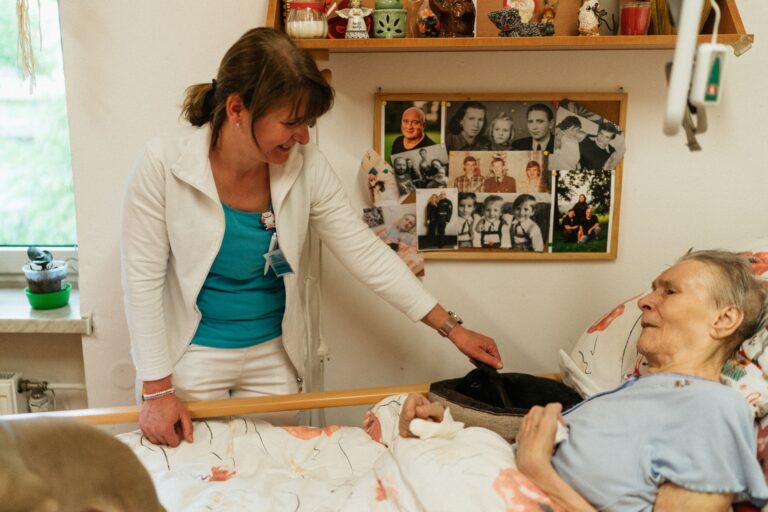
A dementia care manager is a specialized professional who coordinates all aspects of care for someone with dementia—from medical appointments and medication management to finding services and monitoring quality of life. These professionals typically charge between $100 and $200 per hour, though rates can range from $50 to $200 depending on location, experience, and credentials. An initial comprehensive assessment usually costs $300 to $600, though complex cases can exceed $2,000. Dementia care managers serve a crucial role that families often attempt to fill themselves, usually at great personal cost.
When Margaret’s mother was diagnosed with vascular dementia, the family discovered that coordinating multiple doctors, monitoring medications, arranging transportation, and evaluating care facilities required expertise they didn’t have. They eventually hired a care manager who could navigate the healthcare system professionally—something that saved them from costly mistakes and provided peace of mind during an overwhelming transition. These professionals are not the same as direct caregivers or nurses. A care manager acts as an intermediary and advocate, assessing needs, developing care plans, and ensuring all parties involved in the person’s care are working toward the same goals. This distinction matters because it fundamentally changes what you’re paying for and what level of expertise you receive.
Medical information disclaimer: This article is for general educational purposes only and does not provide medical advice, diagnosis, or treatment. Always consult a physician or other qualified health professional about symptoms, medications, tests, or treatment decisions.
Table of Contents
- What Does a Dementia Care Manager Actually Do?
- How Dementia Care Managers Differ from Other Care Providers
- Certifications and Credentials That Matter
- Hourly Rates and the True Cost of Dementia Care Management
- Insurance Coverage Limitations and the Private-Pay Reality
- Medicare Coverage for Chronic Care Management and the GUIDE Model
- The Alzheimer’s Association and Alternative Support Resources
What Does a Dementia Care Manager Actually Do?
A dementia care manager’s primary responsibility is to assess the situation comprehensively and develop a coordinated care plan. This includes understanding the person’s medical history, cognitive status, living situation, financial resources, and family dynamics. They then identify gaps in care, research appropriate services, arrange them, and monitor whether the person is actually receiving quality care from all providers involved. The day-to-day work involves tasks like attending medical appointments to help interpret complex information, managing medication schedules and refilling prescriptions, arranging transportation or in-home care, evaluating assisted living facilities or memory care units, coordinating between multiple doctors and specialists, and advocating when the person’s needs aren’t being met.
A care manager might spend one day helping a family understand an Alzheimer’s diagnosis, the next day interviewing home health aides, and the following week negotiating care modifications at a nursing facility because the person’s needs have changed. One often-overlooked aspect is psychological support. Dementia care managers listen to family concerns, help people process difficult decisions like moving to specialized care, and check in regularly to see how everyone is coping. They also serve as a neutral third party when family members disagree about care choices—a role that can be more valuable than any specific task they accomplish.
How Dementia Care Managers Differ from Other Care Providers
The most important distinction is between a care manager and a direct caregiver. A direct caregiver (or home health aide) provides hands-on assistance with activities of daily living—bathing, dressing, toileting, meal preparation. A dementia care manager coordinates who provides those services and oversees the quality. You could think of it this way: a caregiver is the hands; a care manager is the mind directing those hands. Care managers also differ from case managers, though the terms are sometimes used interchangeably. Case managers typically work within institutions like hospitals or insurance companies and focus narrowly on managing a specific condition or claim.
A geriatric care manager takes a broader, more independent view of a person’s entire life situation. They’re not beholden to any single system and can recommend solutions that might not directly benefit any particular institution—which is why families often value their objectivity. Another key difference is clinical expertise. Many dementia care managers hold nursing licenses (RN) or social work degrees (LCSW), giving them clinical knowledge that non-licensed coordinators don’t have. However, not all care managers have these credentials, so you need to ask specifically what qualifications someone brings. A manager with nursing background can interpret lab results or medication interactions directly. One without might need to consult a doctor, which adds time and potential delays.
Certifications and Credentials That Matter
The Certified Dementia Care Manager (CDCM®) credential, issued by the National Certification Council for Dementia Practitioners (NCCDP), recognizes specialized training in Alzheimer’s disease and dementia care, best practices, and dementia unit policy. To earn this credential, someone must hold a 4-year degree or have a nursing license (RN, LPN, or LVN), maintain a current healthcare license or certification, document presentation of in-service training or seminars, and demonstrate at least one year of direct experience overseeing a dementia unit. This is among the most specialized certifications for dementia-specific care management. Several other recognized certifications exist. The Aging Life Care Association (ALCA), formerly the National Association of Professional Geriatric Care Managers (NAPGCM), oversees standards and certifications for geriatric care managers through affiliated organizations.
The Accredited Case Manager (ACM) credential comes in two versions: ACM-RN for registered nurses with valid licenses and ACM-SW for social workers with a BSW or MSW degree (or valid license). The ACMA created the ACM credential in 2005, and continuing education is available through NACCM, CCMC, NASW, and state nursing boards. When evaluating a potential care manager, ask about their specific credentials, how they maintain them, and whether they hold dementia-specific training versus general geriatric care training. A CDCM or someone with similar specialized credentials will have deeper knowledge of dementia-specific behaviors, progression patterns, and management strategies. This specialization often justifies higher hourly rates but can mean better outcomes for someone with memory loss and behavioral changes.
Hourly Rates and the True Cost of Dementia Care Management
Geriatric and dementia care managers typically charge $50 to $200 per hour, with most concentrated in the $100 to $200 range. Rates vary significantly by geography, credential level, and whether the manager holds advanced clinical credentials like RN or LCSW (Licensed Clinical Social Worker). Urban markets command higher rates than rural areas, and someone with a master’s degree and nursing background will cost more than someone with an associate degree and no clinical license. Beyond hourly rates, most care managers charge for an initial comprehensive assessment, which typically costs $300 to $600. For complex cases—someone with multiple chronic conditions, complicated family dynamics, or extensive care needs—the initial assessment can reach $300 to $2,000.
This assessment is separate from ongoing hourly care coordination. It’s a one-time investment in understanding the full situation, but it’s a genuine out-of-pocket cost that many families don’t anticipate. Some families use care managers for intensive initial work—perhaps 10 to 20 hours over several months to build a care plan—then dial back to monthly check-ins. Others maintain regular monthly contact, perhaps 4 to 8 hours per month, to ensure the plan stays current as the person’s dementia progresses. This flexibility means costs vary widely, but a reasonable estimate for ongoing dementia care coordination is $500 to $2,000 per month, depending on intensity and local rates. This is entirely out-of-pocket; there’s no employer reimbursement or standard insurance benefit to offset it.
Insurance Coverage Limitations and the Private-Pay Reality
As of 2026, dementia care manager services are almost entirely private-pay. Medicare, Medicaid, and standard health insurance do not cover geriatric or dementia care manager services. Long-term care insurance *may* cover some expenses, but this depends entirely on the specific policy, and most people don’t have long-term care insurance. This is one of the hardest realities families face: skilled, professional care coordination is necessary but unaffordable for many. The private-pay requirement creates a two-tiered system. Families with financial resources can hire professional care managers who prevent costly mistakes, identify fraud or neglect, and ensure high-quality care.
Families without resources often cobble together care through overworked adult children, unpaid family members, or inadequate community services. The person with dementia receives care, but it’s disorganized and vulnerable to gaps. The stress on family caregivers is documented to cause depression, burnout, and health problems—a cost that’s real but not calculated in insurance claims. For many families, the question isn’t whether a care manager would be helpful—it’s whether they can afford one at all. This limitation has led to the development of lower-cost alternatives, like virtual care coordination platforms or limited-scope consultations, though these don’t replace the comprehensive oversight a full-time care manager provides. Understanding this landscape upfront helps families make realistic decisions about what support they can access.
Medicare Coverage for Chronic Care Management and the GUIDE Model
Medicare does cover some care coordination, though it’s not identical to hiring a private dementia care manager. Medicare Part B covers Chronic Care Management (CCM) services for beneficiaries with two or more chronic conditions expected to last 12 months or longer. After you meet your Part B deductible, Medicare pays 80% of CCM costs; most beneficiaries pay approximately $12 per month for the base CCM service, though this varies by location. CCM services include development of a comprehensive care plan, care coordination, medication management, and 24/7 access to a qualified healthcare professional for non-emergency questions. A more significant development for dementia specifically is Medicare’s Guiding an Improved Dementia Experience (GUIDE) Model, launched nationally on July 1, 2024. This is a voluntary, eight-year program providing comprehensive care coordination and management specifically for people with dementia, plus caregiver education and respite services.
The critical difference: **no cost-sharing applies—Medicare covers 100% of covered services** under GUIDE. This represents dedicated dementia-specific coverage that didn’t exist before and is distinct from the general CCM benefit. For someone with dementia and Medicare, checking whether their healthcare provider participates in GUIDE should be a priority. This could substantially reduce out-of-pocket costs for care coordination. However, GUIDE is still new, and not all Medicare providers have adopted it yet. Families should ask their doctor directly whether they offer GUIDE services or can refer to a participating program. This is one situation where Medicare actually does address the care coordination gap, though availability remains uneven.
The Alzheimer’s Association and Alternative Support Resources
The Alzheimer’s Association offers a Dementia Care Coordination program that provides an alternative to hiring a private care manager for some families. The program includes a 24/7 Helpline (800.272.3900), support groups, educational programs, both peer-led and professionally-led group sessions, trained care consultants, and individualized care planning assistance. In 2024, the Alzheimer’s Association provided support more than 10 million times through consultations and educational programs. These Association resources are not a substitute for a professional care manager—they can’t attend medical appointments, negotiate with facilities, or provide the ongoing oversight a paid manager offers.
But they provide real education, peer support, and guidance for families attempting to navigate dementia care themselves. For families without resources for a private care manager, the Association can help build skills and knowledge to coordinate care more effectively on their own. The care consultants trained by the Association can help with care planning and problem-solving even if they’re not present daily in the way a hired care manager would be. For families caught between needing professional care coordination and being unable to afford it, combining Association resources with Medicare’s GUIDE program (if available) and targeted consultations with a private care manager for specific complex decisions might create a more affordable middle path. This patchwork approach isn’t ideal, but it reflects the current gaps in how dementia care coordination is funded and distributed in the United States.
- —