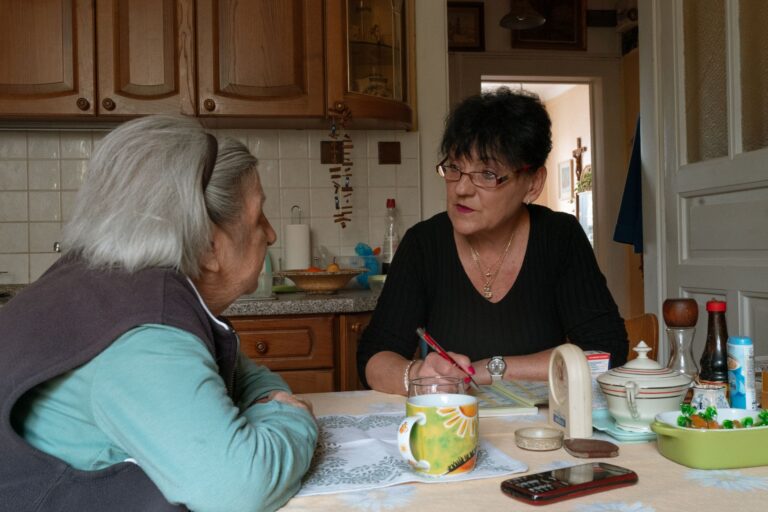
A social worker should be involved in dementia care when the person with dementia can no longer manage two or three essential daily activities—such as bathing, dressing, or medication management—without direct assistance. This typically occurs in the moderate stage of dementia, though the exact timing varies by individual. A diagnosis of severe dementia from a physician alone is sufficient to qualify someone for professional services in most states, and that’s when social worker involvement becomes not just helpful but essential for navigating legal, financial, and care transition decisions.
The transition from early dementia, where someone can still live relatively independently with reminders, to the point where professional coordination is necessary often happens gradually. You might notice that your parent or spouse is forgetting recent events, struggling to cook, or showing signs of confusion about finances. At that moment—when the weight of managing their care, their legal documents, their medical appointments, and their housing needs becomes too much for family members alone—a social worker enters the picture not as an extra expense, but as someone who can organize the entire support system that dementia requires.
Table of Contents
- What ADL Decline Tells You About When Professional Care Support Is Critical
- Behavioral Changes and Neuropsychiatric Symptoms That Signal Need for Specialized Support
- Advance Care Planning and Financial/Legal Decisions as Critical Triggers
- Caregiver Burden and Unmet Needs as Signals of Unsustainable Care
- Transitions to Assisted Living and Memory Care Facilities
- Managing Neuropsychiatric Symptoms and Medical Complexity
- Early Intervention and the Lifetime Trajectory of Dementia Care
- Frequently Asked Questions
What ADL Decline Tells You About When Professional Care Support Is Critical
Activities of Daily Living (ADL) decline is the most concrete marker that professional help is needed. The six core ADLs—bathing, dressing, eating, transferring (moving from bed to chair), toileting, and continence control—form the basis of all care assessments. When someone with dementia requires hands-on help with two or three of these tasks, Medicaid in most states will qualify them for assistance programs. This isn’t arbitrary. These activities directly affect safety, health, and dignity. A person who can no longer bathe safely risks skin breakdown and infections. Someone who forgets to use the toilet or can’t physically transfer to one faces dignity loss and medical complications.
The progression is rarely linear. A spouse might report that their husband with dementia can still dress himself but now needs reminders about when and how to do it. Three months later, he’s unable to button buttons or choose matching clothes. Six months after that, he actively resists bathing, frightened by the water and the vulnerability. Each shift in ADL capacity signals that the care plan must evolve—and a social worker is the person who ensures that evolution happens without family members burning out or making costly, avoidable mistakes. What often surprises families is that cognitive decline alone—the memory loss and confusion everyone associates with dementia—can trigger Medicaid eligibility and social worker involvement without needing to wait for full ADL dependency. A person diagnosed with Alzheimer’s disease shows cognitive deficits so severe that they cannot safely supervise themselves or manage a household. That cognitive diagnosis is a gateway to professional support, because the risk isn’t just about bathing; it’s about leaving the stove on, forgetting medication doses, or wandering into traffic.
Behavioral Changes and Neuropsychiatric Symptoms That Signal Need for Specialized Support
Behavioral changes often appear before physical decline and are among the most destabilizing triggers for social worker involvement. When a person with dementia becomes increasingly agitated, suspicious, or verbally aggressive, family caregivers often find themselves overwhelmed and frightened. These aren’t character flaws or willfulness—they’re symptoms of brain changes—but they’re also signs that the current care arrangement is breaking down. A person who believes their spouse is stealing from them, accuses family members of poisoning their food, or becomes combative during personal care is at high risk of injury and psychological harm. Sundowning intensifies as dementia advances, with late afternoon and evening confusion becoming severe enough to require someone present to redirect and calm the person. A caregiver who works during the day cannot provide this level of attention. Wandering—leaving the home without awareness or destination—is another critical sign.
A social worker can help arrange adult day programs, memory care facilities, or hired caregivers during high-risk hours. This is where professional assessment becomes essential. The family might assume their loved one simply needs “more supervision,” but a social worker knows the difference between what’s manageable at home and what requires a specialized memory care setting. One limitation families often face is that behavioral symptoms can fluctuate, making it hard to know if the crisis is temporary or permanent. A person with dementia who is calm and pleasant one week might be hostile and paranoid the next. This unpredictability is exactly why social worker involvement matters: professionals have frameworks for assessment and de-escalation that family members, no matter how loving, often lack. They can help distinguish between delirium (an acute, often reversible state) and advancing dementia, and coordinate with medical providers if infection or medication side effects are worsening behavior.
Advance Care Planning and Financial/Legal Decisions as Critical Triggers
Advance care planning and legal protection are triggers for social worker involvement that many families overlook until crisis strikes. When someone with moderate dementia can no longer reliably make decisions about medical treatment, housing, finances, or end-of-life care, a social worker becomes the bridge between the person’s wishes and their family’s execution of those wishes. This isn’t about overriding the person; it’s about documenting their preferences while they can still express them and ensuring those preferences are legally binding. A concrete example: A 72-year-old woman with early dementia has a home worth $400,000 but limited savings. Her family knows she might eventually need nursing home care, which can cost $1,700 per week or more.
A social worker can explain Medicaid planning, help the family understand spend-down rules, discuss whether moving her home into a trust protects assets, and help the woman create an advance directive while she’s still cognitively able. Without this professional guidance, families often make costly mistakes—selling the home at the wrong time, failing to document the person’s care preferences, or discovering too late that they don’t have legal authority to make medical decisions. The support team model—a knowledgeable physician, social worker, family members, and respite care providers working together—is described in professional literature as “not optional but essential.” No family member can simultaneously be a medical expert, financial planner, legal advisor, and day-to-day caregiver. A social worker coordinates these roles, ensuring nothing falls through the cracks. Many families don’t call a social worker until a hospitalization forces the issue, but earlier involvement often prevents that hospitalization.
Caregiver Burden and Unmet Needs as Signals of Unsustainable Care
Caregiver burnout is a powerful, often overlooked indicator that professional help is needed. National helpline data shows that the top need reported by dementia caregivers is access to home and community-based services (19% of calls), followed by communication techniques with persons living with dementia (16%) and caregiver self-care and emotional support (15%). When a family member is calling a helpline, they are already in crisis. By that point, a social worker should have been involved months earlier. The statistics on unmet needs are sobering. Among people with mild dementia, 70.6% of caregivers report unmet needs due to lack of caregiver capacity—meaning one person is trying to provide more care than they physically or emotionally can. For moderate dementia, that figure is 71.1%, and for severe dementia, 74.9%. These caregivers are not selfish or negligent; they’re drowning.
A social worker can assess whether paid care, day programs, respite services, or facility placement would better serve both the person with dementia and the caregiver. The comparison is important: a spouse providing 24/7 care and suffering from depression and exhaustion is not providing good care, no matter how much love is involved. Professional care, even part-time, often improves outcomes for everyone. One limitation is that many families resist social worker involvement because they fear it means “putting the person away” or losing control of care decisions. In reality, social workers work for families, not against them. They can arrange a mix of home care, day programs, and facility services tailored to specific needs. A social worker might help a family keep someone at home safely for two more years with the right support system in place, or might recommend a memory care facility where the person thrives. Either way, the decision is informed and sustainable.
Transitions to Assisted Living and Memory Care Facilities
Transitions to assisted living or memory care represent a critical juncture where social worker involvement is nearly always necessary. Moving someone with dementia to a new facility is inherently traumatic for them and logistically complex for families. A social worker can assess whether the person is appropriate for assisted living (where they maintain some independence) or needs memory care (where staffing and environment are specialized for dementia). They can help the family understand the costs—residential dementia care averages £1,343 per week (approximately $1,700/week) in the UK, roughly £45 more weekly than standard senior care—and navigate payment options. The assessment process itself requires professional expertise. A social worker will evaluate whether the person can safely remain in their current home with modifications and care services, or whether facility placement is necessary.
They’ll coordinate tours, help families understand licensing and quality standards, and facilitate the actual move—coordinating with movers, communicating the person’s needs to the new facility, and addressing the person’s anxiety and adjustment challenges. Without this coordination, families often make rushed decisions during crisis, choosing a facility based on availability rather than fit, or attempting home care that becomes unsafe. One warning: Some facilities marketed as “assisted living” are inappropriate for people with advanced dementia. A social worker knows which facilities have adequate staffing for dementia residents and which ones are simply taking money and neglecting behavioral symptoms. They can also identify red flags, such as high staff turnover, medication errors, or inadequate activity programs. The lifetime cost per person with dementia in the UK is £1.5 million (approximately $1.9 million USD equivalent), much of it in the final years of care. A social worker helps the family make that investment wisely.
Managing Neuropsychiatric Symptoms and Medical Complexity
Managing the behavioral and neuropsychiatric symptoms of dementia—agitation, suspicion, depression, hallucinations—often requires coordination between a physician, a psychiatrist, the social worker, and the care team at home or in a facility. These symptoms are not primarily psychiatric disorders; they’re manifestations of brain changes. A social worker can explain this to the family, help advocate for appropriate medication management (avoiding overmedication), and arrange behavioral interventions that often work better than pills. They can also help the family distinguish between symptoms that require medical attention and normal dementia-related behaviors that just need patience and redirection.
Medical management issues appear in 9% of helpline calls from dementia caregivers. These range from managing medication adherence (a person with dementia might refuse pills or take them twice), coordinating multiple specialists, attending medical appointments, and communicating the person’s non-verbal symptoms to doctors. A social worker often serves as the translator between the person who can no longer describe their symptoms clearly and the medical team. They understand that behavioral escalation might signal a urinary tract infection, that refusal to eat might indicate depression or medication side effects, and that increased confusion might mean delirium from a treatable cause.
Early Intervention and the Lifetime Trajectory of Dementia Care
Early social worker involvement—at diagnosis or in the mild stage—often improves long-term outcomes and delays decline. A person with dementia who receives comprehensive care planning, caregiver education, and psychosocial support may remain in their home longer, experience fewer behavioral crises, and have a better quality of life than someone whose family musters care ad-hoc. The lifetime risk of dementia is now one in three people born today, making this a public health issue affecting millions of families. Many of those families will wait far too long to involve professional support.
Local authorities received 2.02 million requests for support from new clients in the last assessment year, reflecting the sheer scale of need. Yet many people with dementia never access social work services because they don’t know services exist, can’t afford private social workers, or don’t meet their region’s threshold for publicly funded services. Some families only encounter a social worker during a hospital discharge or when a crisis forces intervention. The earlier the engagement, the more options exist for the person and family.
Frequently Asked Questions
At what stage of dementia should I call a social worker?
Call when your loved one can no longer manage two or three core daily activities (bathing, dressing, medication management) without direct help, or when their diagnosis of Alzheimer’s or related dementia is confirmed. Earlier is often better than later.
What will a social worker actually do for my family?
A social worker assesses care needs, coordinates services (home care, day programs, facility placement), helps with advance care planning and legal documents, explains Medicaid and payment options, and provides ongoing support and resource connections. They work for your family, not against you.
How much does a social worker cost?
Public social work services are free or low-cost but may have waiting lists and eligibility limits. Private social workers typically charge $100–$300 per hour. Some services are covered if Medicaid is involved or if the person is hospitalized.
Can a social worker help even if my loved one is living at home?
Yes. Social workers help families arrange in-home care, adult day programs, respite services, modifications to the home, and planning for future care needs. They can help you keep someone at home safely for longer while protecting your own health.
What if my loved one refuses to see a social worker?
A social worker can meet with you and other family members first. Often, the person with dementia doesn’t need to “agree” to services; the social worker helps the family organize care around the person’s wishes and needs.
How do I find a social worker if my loved one is not yet in a facility?
Contact your local Area Agency on Aging, call your regional Alzheimer’s Association chapter, ask your doctor for a referral, or search for geriatric social workers in your area. If cost is a barrier, ask about low-cost or free options through public health departments or nonprofit organizations.