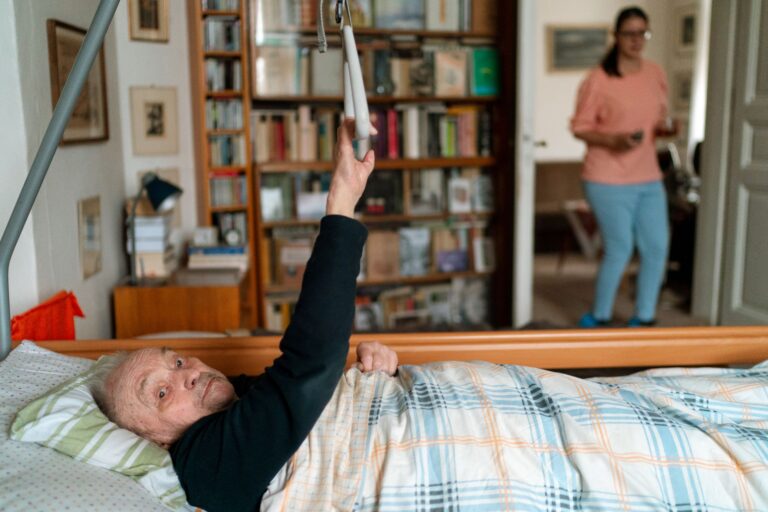
Digital mental health platforms show promise in reducing symptoms of anxiety and depression in dementia patients, though evidence remains emerging and outcomes vary by individual, platform design, and implementation. These tools—ranging from mood-tracking apps to virtual cognitive engagement programs—may help address the psychological distress that frequently accompanies cognitive decline. A patient with early-stage Alzheimer’s disease, for example, might use a guided meditation app specifically designed for memory loss, tracking their anxiety levels daily while receiving tailored encouragement, potentially creating a sense of structure and accomplishment that in-person visits alone cannot provide.
The intersection of dementia care and mental health technology presents both opportunity and challenge. While traditional dementia support emphasizes memory exercises and activities of daily living, the emotional toll of progressive cognitive loss—frustration, fear, isolation—often goes inadequately treated. Digital platforms offer accessibility, consistency, and personalization that can complement (though not replace) clinical care. Many family members report that such tools provide meaningful engagement, particularly when in-person support is limited by geographic distance or caregiver burnout.
Table of Contents
- Can Technology Help Reduce Psychological Symptoms in Dementia?
- What the Current Evidence Actually Shows
- How Digital Platforms Deliver Psychological Support
- Evaluating and Implementing Digital Tools in Dementia Care
- Risks and Limitations to Acknowledge
- Integration with Medication and Formal Therapy
- The Role of Caregiver Burden and Burnout Prevention
Can Technology Help Reduce Psychological Symptoms in Dementia?
The relationship between cognitive decline and mood disorders in dementia is well established. Many patients experience heightened anxiety as they become aware of memory loss, or depression as social isolation deepens. Traditional interventions—psychotherapy, medication, social activities—remain the foundation of care, yet gaps persist. Digital platforms address some of these gaps by delivering interventions consistently, without the scheduling friction or cost barriers of weekly therapy appointments. Research into digital mental health for general populations shows measurable reductions in anxiety and depression through apps featuring cognitive behavioral therapy modules, mindfulness exercises, and behavioral activation.
When adapted for dementia populations, these platforms must account for cognitive limitations: simpler interfaces, larger text, shorter sessions, and validation messages that repeat encouragement. A platform that tracks mood trends and alerts caregivers to worsening symptoms can also enable faster intervention, potentially preventing crisis situations that require emergency care or hospitalization. However, effectiveness depends heavily on whether the person with dementia can and will use the platform. Cognitive impairment may make navigation confusing; some patients require continuous caregiver assistance. Others may lack interest or adopt the tool only briefly before disengaging. The strongest outcomes emerge when a caregiver or care team integrates the platform into daily routines, rather than leaving it as an optional add-on.
What the Current Evidence Actually Shows
Studies examining digital interventions for dementia-related anxiety and depression remain limited compared to other health conditions. Most research involves small sample sizes or focuses on specific platforms without direct head-to-head comparison. Some trials show statistically significant improvements in anxiety or depressive symptoms after 8–12 weeks of use; others show modest or nonsignificant results. Meta-analyses are difficult to conduct because studies define “digital mental health” differently—a mood-tracking app is not the same as a structured cognitive behavioral therapy program delivered through an app.
A critical limitation is the lack of long-term data. Many studies run for 8–16 weeks; far fewer examine whether benefits persist at 6 or 12 months. Dementia is progressive, and a platform that works well in early-stage disease may become less useful as cognition declines further. Additionally, published research often excludes the sickest patients—those with moderate to advanced dementia, those in institutional care, or those with multiple comorbidities—precisely the populations most vulnerable to untreated depression and anxiety. This creates a gap between trial participants and real-world patients.
How Digital Platforms Deliver Psychological Support
Digital mental health platforms for dementia typically operate through several mechanisms. Mood tracking allows patients and caregivers to visualize emotional patterns, creating awareness that can inform treatment adjustments. Structured activities—guided breathing exercises, reminiscence therapy via photos or video, or gamified cognitive tasks—provide engagement and a sense of purpose. Social connectivity features may reduce isolation by enabling asynchronous communication with family or group participation in guided activities. Personalization is a key advantage over generic apps. A platform can adjust difficulty, messaging tone, and content based on the individual’s cognitive level and preferences.
For example, a patient who was a gardener might receive nature-based mindfulness prompts, while another might engage with music-based activities. Reminders sent at optimal times—perhaps mid-morning when the person is most alert—boost adherence. Some platforms include caregiver dashboards showing trends and alerts, shifting some monitoring burden away from informal caregivers who often manage mental health alongside physical care tasks. The limitation here is that digital engagement is not the same as human connection. A platform cannot replace conversations with loved ones or the non-verbal comfort of physical presence. Research on loneliness and cognitive decline suggests that technology can supplement but not substitute for meaningful relationships. Some platforms acknowledge this by intentionally prompting in-person activities or facilitating caregiver communication rather than attempting to be the sole source of support.
Evaluating and Implementing Digital Tools in Dementia Care
Clinicians and caregivers considering a digital platform should ask several practical questions. Is the interface accessible—can the intended user navigate it without frustration? Does the platform require internet access, and is that reliably available? Is there a clear business model and evidence the developer will maintain the app over years? Some mental health apps have been abandoned by developers, leaving users with obsolete software. Security and privacy warrant attention, particularly when the platform collects mood data or location information. HIPAA compliance in the U.S. is important but not sufficient; users should understand what data is collected, how long it is retained, and whether it is shared with third parties.
A platform may be effective but ethically problematic if it sells anonymized mood data to pharmaceutical companies or uses engagement metrics to manipulate use in ways that serve corporate rather than clinical interests. Implementation also depends on support structures. A platform dropped into the home without caregiver education or clinician integration often fails. Successful deployments typically include an initial orientation session, ongoing troubleshooting, and regular check-ins to adjust settings or address technical barriers. Small rural clinics may find this infrastructure costly; large healthcare systems or assisted living facilities have greater capacity to support adoption.
Risks and Limitations to Acknowledge
Over-reliance on a digital tool while neglecting other evidence-based treatments is a genuine concern. A caregiver might assume that a mood-tracking app reduces the need for psychiatric medication or regular therapy, delaying necessary clinical intervention. Similarly, a platform cannot address modifiable causes of depression in dementia—untreated pain, sleep disturbance, medication side effects, or inadequate social engagement. Any digital intervention must operate within a comprehensive care plan.
Technical and usability failures can worsen outcomes. A patient frustrated by app crashes or confusing updates may experience increased anxiety. Alerts sent to caregivers must be accurate; false alarms about worsening mood can erode trust, while missed alerts can delay appropriate response. The algorithm driving these alerts is not transparent in many commercial apps, raising questions about whether recommendations are based on validated clinical thresholds or on patterns designed to maximize engagement.
Integration with Medication and Formal Therapy
Digital platforms often work best alongside pharmacological and psychotherapeutic treatment rather than as replacements. Antidepressants and anti-anxiety medications remain first-line treatments for many dementia patients with mood disorders. A digital tool can enhance medication efficacy by supporting behavioral activation—encouraging the patient to maintain routines, engage in activities, and sustain social connections that amplify the benefits of medication.
Some platforms are explicitly designed to complement cognitive behavioral therapy or interpersonal therapy, allowing the patient to practice techniques between sessions. The challenge is coordination. A therapist who does not know the patient is using a mood app cannot interpret mood data in context; a prescriber who does not know about the app’s engagement metrics might miss an opportunity to adjust medication timing or dose. Integration requires communication among the patient’s clinical team, which many fragmented healthcare systems struggle to achieve.
The Role of Caregiver Burden and Burnout Prevention
Dementia caregiving is emotionally and physically exhausting, and caregiver depression is common. Some digital platforms include caregiver support features—psychoeducation, respite care resources, support group connections, or mood tracking for caregivers themselves. By reducing the invisible labor of monitoring a loved one’s emotional state, these platforms can indirectly improve the psychological well-being of family members.
However, a platform that simply sends alerts to an already-exhausted caregiver without offering concrete support can worsen burden. A caregiver might receive a notification that their spouse’s anxiety is elevated, yet the platform offers no guidance on next steps or connection to professional help. The most thoughtful implementations link alerts to actionable resources—crisis lines, care coordinators, or suggestions for immediate coping strategies—rather than creating another responsibility without support.