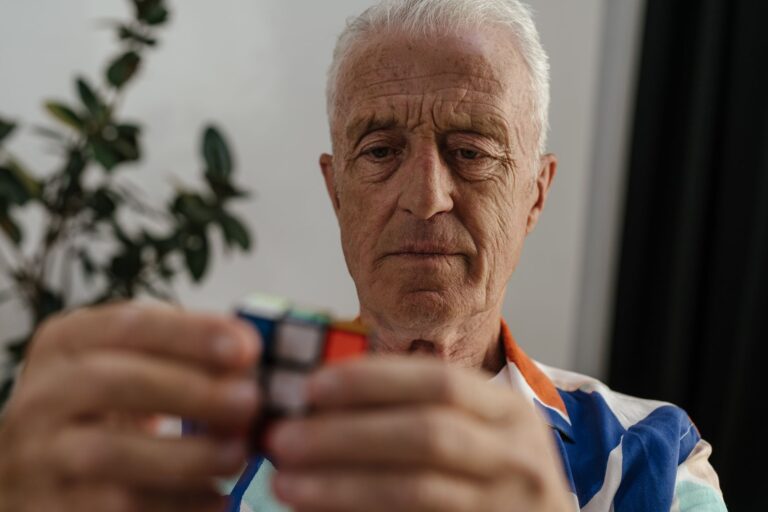
Vascular dementia often develops suddenly or in a stepwise pattern—a person may experience an abrupt change in thinking ability or a series of small declines, each noticeable enough that family members recognize something has shifted. Unlike Alzheimer’s disease, which typically emerges gradually with memory loss as the first sign, vascular dementia frequently announces itself through problems with planning, decision-making, and executive function before memory itself becomes severely affected. A 67-year-old man might suddenly struggle to pay his bills or manage a household budget after a minor stroke, even though he can still recall events from his past with reasonable clarity.
The symptoms of vascular dementia are tied directly to which blood vessels in the brain are affected and how much damage has accumulated. A woman whose stroke damaged blood vessels supplying her frontal lobe may become emotionally flat or apathetic, while another person might develop difficulty with language or find their legs becoming stiff and slow. Families watching for these signs need to understand that vascular dementia is not one consistent illness but rather a spectrum of cognitive problems that depend on the location and extent of reduced blood flow to the brain.
Table of Contents
- What Are the Early Cognitive Changes That Signal Vascular Dementia?
- How Does the Symptom Presentation of Vascular Dementia Differ From Other Dementias?
- What Behavioral and Mood Changes Should Families Watch For?
- How Should Families Distinguish Vascular Dementia Symptoms From Normal Aging?
- What Physical and Neurological Signs Accompany Vascular Dementia?
- When Should Families Seek Medical Evaluation for Suspected Vascular Dementia?
- How Do Certain Medical Conditions Increase the Likelihood of Vascular Dementia Symptoms?
- Frequently Asked Questions
What Are the Early Cognitive Changes That Signal Vascular Dementia?
Executive function problems are often the earliest cognitive symptoms families notice. This means difficulty planning meals, organizing tasks, following multiple steps in sequence, or making decisions about everyday matters—the kind of mental work most of us do automatically without conscious effort. A person may start repeating the same question within a conversation or lose track of why they walked into a room.
They may struggle to switch between tasks or get stuck on irrelevant details while missing the main point of a conversation. Memory loss in vascular dementia is different from Alzheimer’s in one important way: recent events may be easier to recall than older memories, whereas Alzheimer’s typically strips away recent events first. Someone with vascular dementia may remember events from five years ago but struggle to recall what their daughter told them yesterday—or the reverse pattern may occur depending on where the vascular damage sits. A family noticing that their parent forgets names or appointments but seems sharp about historical events should not automatically assume the person is fine; this uneven memory pattern is characteristic of vascular dementia and warrants investigation.
How Does the Symptom Presentation of Vascular Dementia Differ From Other Dementias?
The stepwise progression of vascular dementia is one of its defining features, and also one of its key differences from Alzheimer’s disease. Where Alzheimer’s follows a slow, relatively smooth decline over many years, vascular dementia often shows a clear pattern: the person functions at one level, then after a small stroke or episode of reduced blood flow, they suddenly function at a lower level. This stepwise pattern can repeat multiple times over months or years. A family might report that their mother was managing fine until one specific week when she became confused, and then she never fully returned to her baseline.
Doctors investigating this pattern recognize it as a vascular event, not the gradual disappearance of abilities typical of Alzheimer’s. One crucial limitation to be aware of: many people have both vascular damage and Alzheimer-related brain changes at the same time, making the symptom pattern more complex and less clearly “stepwise.” This mixed dementia is actually common in older adults, and it means that a person might show both the sudden drops associated with vascular events and the gradual decline associated with Alzheimer’s pathology. Families should not assume that because a decline was sudden, Alzheimer’s is ruled out. Brain imaging and medical evaluation are necessary to determine the actual cause of cognitive symptoms.
What Behavioral and Mood Changes Should Families Watch For?
Emotional symptoms in vascular dementia can be stark and troubling for families to witness. A person may cry over minor frustrations, become angry in situations that never previously bothered them, or exhibit apathy so complete that they seem indifferent to events or people they once cared deeply about. These emotional changes are not personality flaws or stubbornness—they result from disrupted connections between brain regions that regulate emotion and impulse control. A man who was always patient with grandchildren might suddenly snap at them harshly, or a woman known for her warmth might sit silently in family gatherings, unable or unwilling to engage.
Depression is particularly common in vascular dementia and can actually precede cognitive decline, making it an important early warning sign. The depression associated with vascular brain damage differs from typical major depression in that it often includes a quality of hopelessness tied to the person’s actual declining abilities. A person may become withdrawn and express that they know something is wrong, even before cognitive testing reveals significant decline. Unlike depression alone, this state typically coexists with measurable cognitive problems and physical signs of vascular disease such as high blood pressure, diabetes, or prior stroke.
How Should Families Distinguish Vascular Dementia Symptoms From Normal Aging?
Every older adult becomes slower at mental tasks, forgets names occasionally, or takes longer to process information. The critical difference is that normal aging involves slowing and occasional memory lapses without disruption to the person’s overall ability to manage daily life. A family member noticing true vascular dementia symptoms will observe functional decline: the person can no longer handle finances, prepare meals, organize household tasks, or live independently in the same way they did before. The changes are noticeable enough that the person themselves or close family members remark, “Something has changed.” Comparison to normal aging also reveals duration and pattern.
An older adult might have an off day when they’re forgetful, but the next day they’re sharp again. Someone in the early stages of vascular dementia shows consistent, ongoing changes that persist day after day. A tradeoff in identifying this early is that slight cognitive changes can be dismissed as normal aging (“Everyone’s memory gets worse with age”), leading to delayed evaluation. Families who notice persistent changes, particularly those that affect the person’s ability to live safely or independently, should seek cognitive testing rather than assuming the changes are inevitable parts of growing older.
What Physical and Neurological Signs Accompany Vascular Dementia?
Gait changes are one of the most distinctive physical signs of vascular dementia and often appear alongside or even before obvious cognitive decline. The person may develop a slow, stiff walk or a gait sometimes described as “marching” or shuffling. Their balance may become precarious, and falls might increase. A woman might start holding walls or furniture while moving through her home, or a man might move cautiously through a familiar room as if navigating unfamiliar terrain.
These gait changes reflect damage to the areas of the brain controlling motor coordination and balance, and they distinguish vascular dementia from Alzheimer’s, where walking typically remains normal until late stages. A major warning sign is the appearance of other focal neurological symptoms. Slurred speech, weakness on one side of the body, facial drooping, or sudden difficulty with vision can all indicate a stroke or transient ischemic attack (TIA, or “mini-stroke”), and these episodes can trigger vascular dementia or worsen existing vascular cognitive decline. Families noticing any of these signs should seek immediate medical attention, as early treatment of stroke may prevent additional brain damage. It’s critical not to dismiss a speech change or slight facial asymmetry as insignificant—these can be the first signs of cerebrovascular disease actively damaging the brain.
When Should Families Seek Medical Evaluation for Suspected Vascular Dementia?
The moment a family notices persistent changes in a person’s thinking ability, mood, or motor function is the appropriate time to contact the person’s primary care doctor. There is no value in waiting to see if changes resolve on their own, because vascular dementia, once it has begun, does not reverse. Early evaluation allows doctors to assess blood pressure control, diabetes management, and other vascular risk factors that may be treatable or adjustable.
Brain imaging such as MRI can reveal the vascular damage and help establish whether cognitive changes are truly due to reduced blood flow or stem from another cause entirely. Families should document the specific changes they’ve noticed before the appointment: When did the changes start? Were they sudden or gradual? What specific tasks is the person now unable to do? Have there been any health events like a stroke, heart attack, or diagnosis of atrial fibrillation? This information helps doctors assess whether the timeline matches vascular events. Families might feel hesitant to label a loved one as “sick” or to initiate testing, but identifying vascular dementia early creates opportunities to slow progression, manage risk factors, and plan for future care needs.
How Do Certain Medical Conditions Increase the Likelihood of Vascular Dementia Symptoms?
Atrial fibrillation, a condition where the heart beats irregularly, significantly increases vascular dementia risk because irregular heartbeats allow blood clots to form, which can lodge in brain blood vessels and cause stroke. A person diagnosed with atrial fibrillation should be on appropriate blood-thinning therapy and monitored carefully for cognitive changes. Similarly, uncontrolled high blood pressure damages blood vessel walls over time and is one of the strongest modifiable risk factors for vascular dementia. Someone whose blood pressure readings are consistently 150/90 or higher is at much higher risk for cognitive decline than someone whose pressure is controlled at 130/80 through medication.
Diabetes affects blood vessels throughout the body and accelerates vascular damage in the brain. A person with poorly controlled diabetes, particularly one who has experienced multiple episodes of very high or very low blood sugar, faces increased vascular dementia risk. Family history of stroke or dementia also suggests a genetic predisposition to vascular disease. When families recognize these risk factors in a loved one, they can work with healthcare providers to optimize control of blood pressure, blood sugar, and cholesterol—interventions that may significantly slow or reduce the risk of vascular dementia developing or worsening.
- —
Frequently Asked Questions
Can vascular dementia be prevented?
While you cannot undo existing vascular damage, controlling blood pressure, managing diabetes and high cholesterol, treating atrial fibrillation, not smoking, and maintaining physical activity can significantly reduce the risk of developing vascular dementia or slow its progression if it has already begun.
Is vascular dementia reversible?
No. Once brain tissue is damaged from reduced blood flow, that damage is permanent. However, stopping further strokes or episodes of reduced blood flow can prevent additional cognitive decline, which is why early medical intervention matters.
How quickly does vascular dementia progress?
The progression pattern varies widely. Some people experience a single event that causes noticeable cognitive change, while others have multiple smaller strokes over years with a stepwise pattern of decline. The rate depends on the frequency and severity of vascular events.
Can someone have vascular dementia without having had a noticeable stroke?
Yes. Many people with vascular dementia have had silent strokes—small areas of brain damage from reduced blood flow that don’t cause obvious symptoms like weakness or speech changes. Brain imaging can reveal these areas even if the person has no memory of a stroke event.
What medications help vascular dementia?
There is no medication specifically for vascular dementia itself. Treatment focuses on preventing future strokes through blood pressure management, blood thinners if appropriate, antiplatelet medications like aspirin, and management of diabetes and cholesterol. Cognitive medications used for Alzheimer’s may help some people but are not proven treatments for vascular dementia.
How do I know if my parent’s confusion is vascular dementia or normal aging?
Normal aging involves occasional forgetfulness that does not interfere with daily function. Vascular dementia involves noticeable changes that persist over time and affect the person’s ability to manage finances, household tasks, or self-care—or involve clear physical signs like gait changes or speech difficulty.