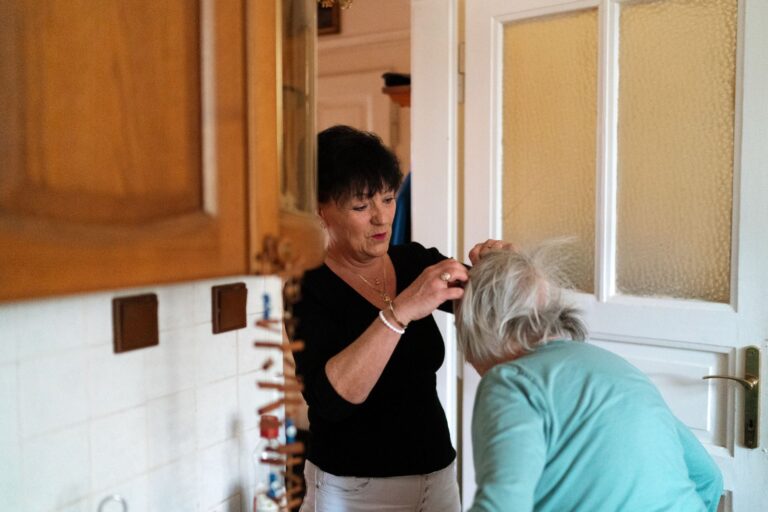
Accusatory behavior in dementia—when someone blames you for things you didn’t do, accuses you of stealing, or claims you’re trying to hurt them—is best handled by staying calm, not defending yourself, and redirecting their attention to something concrete and present. The accusation often reflects confusion, fear, or a false memory rather than reality, so arguing or proving innocence typically makes things worse. Your goal is to de-escalate the moment, preserve dignity, and move forward.
These accusations are one of the most painful aspects of caregiving because they feel deeply personal and unjust. You might hear “You stole my wallet,” “You’re poisoning my food,” or “You’re trying to put me in a home.” Your instinct is to defend, explain, or show evidence you’re innocent—but in dementia care, that approach backfires. The person is genuinely distressed and confused; they believe what they’re saying. Responding with logic or frustration only strengthens their conviction that you’re against them.
Table of Contents
- Why Does Accusatory Behavior Happen in Dementia?
- The Trap of Defending Yourself
- How to Respond in the Moment
- When to Separate Yourself and When to Stay Present
- Accusations About Safety and Your Instinct to Over-Reassure
- The Role of Routine and Environmental Clarity
- Long-Term Patterns and When to Seek Help
Why Does Accusatory Behavior Happen in Dementia?
Accusatory behavior emerges because dementia damages the brain regions responsible for memory formation, logical reasoning, and emotional regulation. When someone can’t remember where they put their keys, they don’t assume they misplaced them—they assume someone took them. When they don’t recognize a family member’s car in the driveway, they believe a stranger has invaded. The accusations are the brain’s attempt to make sense of a confusing world.
Fear amplifies these behaviors. A person in cognitive decline feels vulnerable and out of control. Accusations are a way of regaining power or explaining why they feel unsafe. They’re also sometimes driven by sundowning (increased confusion and agitation in late afternoon and evening) or by pain they can’t articulate—a person who can’t express “my hip hurts” might instead accuse you of moving their things or hiding something from them. In some cases, medications or urinary tract infections can trigger or worsen accusatory episodes.
The Trap of Defending Yourself
One of the hardest truths in dementia caregiving is that defending yourself almost never works. You cannot logic someone out of a false belief when their brain is broken. If you say, “I didn’t steal your wallet; I helped you put it in the drawer this morning,” they might hear only “You’re calling me a liar” or “You’re gaslighting me.” They may become more agitated because they now feel disbelieved and isolated. The accusation isn’t a debate to win—it’s a distress signal you need to acknowledge.
The limitation here is that non-verbal reassurance can also fail. Sometimes a person is too agitated to hear you or connect with you, no matter how gently you speak. In these moments, physical comfort—a hand on the shoulder if they’ll tolerate it, a calm presence—is all you can offer. Pushing further or trying harder to convince them will exhaust you and distress them more. The goal is harm reduction, not perfect resolution.
How to Respond in the Moment
When an accusation happens, use a three-step approach: pause, validate the feeling, and redirect. First, take a breath and don’t respond defensively. If your mother says “You’re stealing from me,” don’t immediately say “No, I’m not.” Instead, acknowledge her distress: “I can see this is upsetting you. That sounds scary.” This validates her emotion without confirming the false belief. Then, shift focus to something concrete and present: “Let’s look for it together” or “Can I get you some water?” or “Let me show you the photo of your grandchild.” A real-world example: Your father accuses you of hiding his money because he can’t find his wallet.
Instead of arguing, you say, “I hear you’re worried about your wallet. That’s important. Let’s check your usual spots—your desk drawer, your bedside table.” You involve him in the search, which gives him agency and often calms him. If he finds the wallet, the accusation naturally fades. If he doesn’t, you might say, “It sounds like it’s missing. Let’s keep an eye out and I’ll help you look tomorrow.” You’ve taken the accusation seriously without taking it personally or defending yourself.
When to Separate Yourself and When to Stay Present
There’s a tradeoff in dementia caregiving between staying close and protecting your own emotional resilience. If an accusation triggers deep anger or hurt, stepping away for five minutes is appropriate. You might say, “I need a moment. I’ll be in the kitchen,” and then use that time to breathe or call a friend. Staying present while seething rarely helps; the person with dementia can sense your frustration and may escalate.
However, leaving for too long or avoiding future contact teaches them (in their current moment) that they were right to be suspicious. The goal is to return after you’ve regained composure, not as a punishment but to resume caregiving. This is profoundly difficult because it requires you to absorb an accusation without bitterness, which is why support groups and respite care are essential, not luxuries. You cannot do this alone. Many caregivers find that having another family member or professional respite caregiver handle situations you find most triggering reduces both your stress and the frequency of accusations, because the person senses less tension.
Accusations About Safety and Your Instinct to Over-Reassure
A common pitfall is over-reassuring in the moment. If your spouse accuses you of planning to put them in a nursing home, your impulse might be to say, “I would never do that. I love you. You can always trust me.” While this comes from a good place, it can backfire in two ways. First, they may not retain the reassurance—they might accuse you again an hour later, which feels like rejection and defeats the purpose. Second, if genuine placement does eventually become medically necessary, you will have undermined your credibility and made the transition harder.
Instead of abstract promises, focus on present safety: “You’re home. You’re safe. I’m here with you right now.” This is true and grounding. If the accusation is about food, you can say, “I made this; let me try it first,” or “We can pick something else if you prefer.” Offering concrete alternatives gives them back some autonomy and often dissolves the suspicion. The warning here is that some accusations (especially “You’re going to poison me”) can lead to refusal of medication or food, which is a safety issue requiring a doctor’s guidance. You may need a nurse or physician to administer medications or oversee meals to circumvent the accusation entirely.
The Role of Routine and Environmental Clarity
One underrated strategy is reducing the conditions that breed accusations. If your mother repeatedly accuses you of taking her glasses because she can’t find them, establish a designated spot—a labeled tray on her nightstand. If your father accuses you of hiding his wallet, create a routine: every evening, put the wallet in the same place and say aloud, “Your wallet is in your desk drawer for safekeeping.” Repetition and consistency calm the anxious brain. Written reminders (a note on the door, a photo label) can reinforce this without sounding like you’re explaining to a child.
Another practical step is removing or organizing common clutter. If a person lives in a house where objects frequently go missing or are hidden (mail piled up, drawers full of forgotten items), they have legitimate reason to feel confused. Cleaning up their physical space—not removing possessions, but organizing them so they can find what they need—often reduces both the frequency and intensity of accusations. A clear environment is a safer-feeling environment.
Long-Term Patterns and When to Seek Help
Accusations that follow a pattern—always about the same person, always about the same topic, or triggered by specific times of day—sometimes respond to adjustment. If your mother always accuses the evening caregiver but not you, the evening routine might be contributing. If accusations spike around 6 p.m., it’s sundowning, and your doctor might suggest adjusting medication timing or increasing afternoon activities. Patterns are clues. However, if accusations are escalating, if they involve threats (“I’ll call the police”), or if they’re causing the person to refuse care, food, or medication, talk to their doctor.
Certain medications can reduce agitation; a medication change or adjustment might help. Some accusatory behavior reflects untreated depression or anxiety in dementia, which is treatable. A neurologist or geriatric psychiatrist can also assess whether delirium (which mimics dementia but is sometimes reversible) is the root cause. You don’t have to manage this alone indefinitely. Professional input can clarify what’s happening and offer real relief.
- —