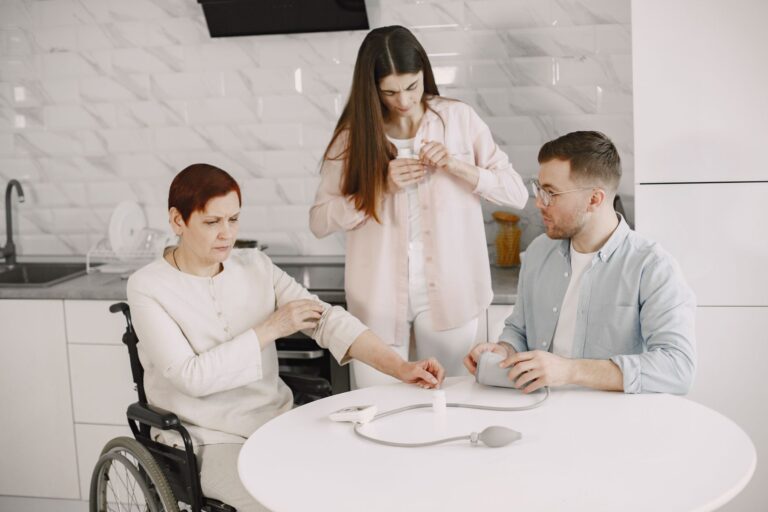
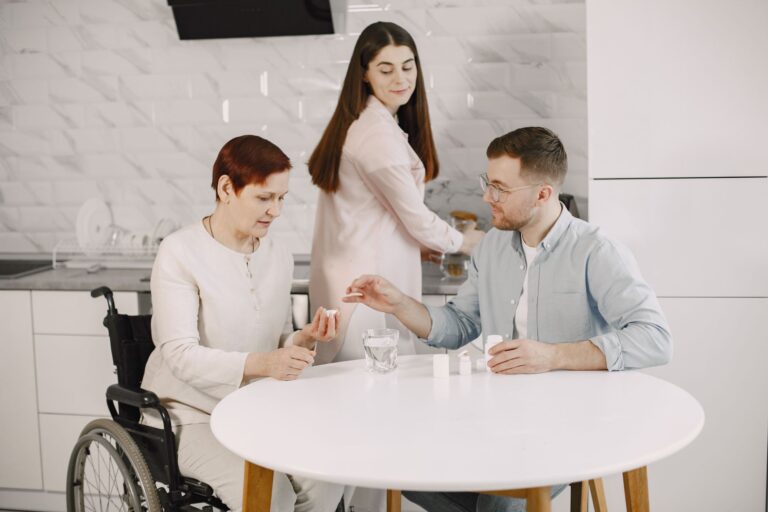
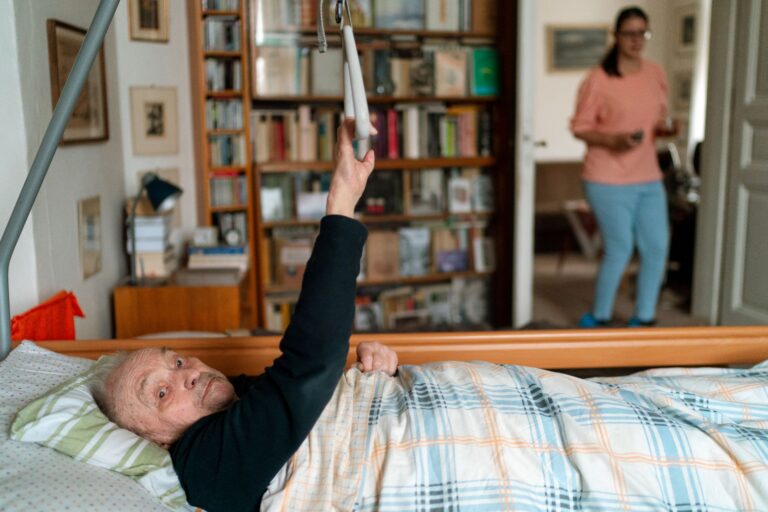
Yes, community health workers can meaningfully support dementia care, but their role is limited to specific tasks where their skills match the clinical and social needs. Community health workers (CHWs) are trusted, often non-clinically trained members of the community who bridge gaps between patients, families, and the healthcare system. In dementia care, they excel at monitoring daily functioning, reminding patients to take medications, encouraging adherence to routines, and providing emotional support to exhausted family caregivers—but they cannot diagnose, prescribe, or manage the complex medical aspects of the disease. A CHW working with a 72-year-old woman with early-stage Alzheimer’s might visit twice weekly, help her remember to use her blood pressure monitor, and reassure her anxious daughter that her mother is eating regularly, all while the woman’s neurologist manages pharmacological treatment remotely.
This division of labor works when clearly defined, but breaks down when expectations blur. The evidence supporting CHW involvement in dementia care is mixed but growing. Studies from health systems in underserved areas show that CHWs can reduce hospitalization rates, improve medication adherence, and decrease caregiver depression—but only when they work within formal programs with physician oversight and structured training. The addition of a CHW does not replace medical care; it complements it, filling gaps in monitoring and psychosocial support that overburdened medical teams cannot otherwise address. For families without access to in-home nursing or expensive day programs, a trained CHW can prevent accelerated decline by catching infections early, maintaining engagement in daily activities, and providing respite so primary caregivers don’t burn out entirely.
Table of Contents
- What Specific Roles Can Community Health Workers Play in Dementia Support?
- How CHWs Reduce Isolation and Support Family Caregivers
- Real-World Examples of CHW-Supported Dementia Programs
- Medication Adherence and Daily Monitoring—Where CHWs Add Practical Value
- Training Gaps, Burnout, and the High Turnover Problem
- How to Evaluate Whether a CHW Program Is Actually Helping
- Specific Scenarios Where CHWs Are Most Effective
- Frequently Asked Questions
What Specific Roles Can Community Health Workers Play in Dementia Support?
Community health workers typically hold high school diplomas or some college but are not licensed nurses, social workers, or therapists. Their training varies widely by employer and state, ranging from minimal onboarding to formal certification programs lasting several months. In dementia care, their most valuable roles include home safety checks (identifying tripping hazards, medication storage issues), daily activity support (helping patients with bathing, dressing, meal preparation), behavioral monitoring (noting changes in mood, agitation, or incontinence that might signal infection or medication problems), and caregiver respite. CHWs also serve as cultural brokers and language interpreters for non-English-speaking families navigating the healthcare system. A CHW who shares a patient’s language and cultural background can explain the neuropsychological exam results in a way that makes sense, counter misinformation about dementia causes, and help families understand why antipsychotic medications are risky rather than defaulting to symptom suppression.
The critical limitation is scope. CHWs are not licensed to make clinical diagnoses, adjust medications, order imaging, or provide psychotherapy. When a CHW notices that an Alzheimer’s patient has stopped eating and seems more withdrawn, the appropriate response is to alert the patient’s physician or geriatrician immediately—not to interpret the symptoms as depression requiring intervention. This distinction prevents CHWs from overstepping into territory where they lack training and create legal liability. In well-resourced health systems, CHWs are embedded in teams where they have direct communication channels to nurses and doctors. In fragmented settings, CHWs may operate in isolation, observing problems but having no clear pathway to report them, which defeats the purpose of their presence.
How CHWs Reduce Isolation and Support Family Caregivers
One of the most underestimated benefits of CHW involvement is psychological. Family caregivers of dementia patients report profound isolation, constant vigilance, and loss of social contact. A CHW visit twice or three times weekly provides not just practical support but human connection—someone who sees the patient as a person, not just a diagnosis, and who validates the caregiver’s exhaustion. Research from geriatric care studies shows that caregivers with access to regular CHW support report lower rates of depression and anxiety compared to those managing alone. The CHW becomes an accountability partner: the caregiver knows that someone else is watching, that the patient is not alone all day, and that any sudden changes will be observed and reported. However, this benefit comes with an important caveat.
If the CHW is unreliable, poorly trained, or unfamiliar with dementia-specific behaviors, their presence can increase caregiver anxiety rather than reduce it. Some family members express concern about “strangers in the home” when a CHW begins visits, worried about theft or that the patient will be upset by an unfamiliar face. This requires careful introduction and trust-building, and it doesn’t always work. Additionally, CHWs are not therapists and cannot treat clinical depression or anxiety in caregivers. When a primary caregiver is severely depressed, a CHW’s presence alone may not be enough; the family needs access to counseling or psychiatric care in parallel. The relationship between CHW support and caregiver mental health is strengthened when CHWs receive training in recognizing caregiver burnout and know how to connect families to actual mental health resources, but this infrastructure is not always in place.
Real-World Examples of CHW-Supported Dementia Programs
The Cleveland Clinic’s “Care Advocate” program pairs CHWs with patients in the early stages of cognitive decline. These CHWs are trained to recognize mild cognitive impairment, conduct monthly home visits to monitor functional changes, and facilitate communication between the home and the dementia clinic. Program data shows that patients with regular CHW contact had significantly fewer emergency room visits and were more likely to receive appropriate medications for behavioral symptoms rather than defaulting to sedation. The CHWs, many of whom were hired from the local community, were effective partly because they understood the neighborhoods, transportation barriers, and cultural beliefs about aging and memory loss that the clinic physicians did not. Another example comes from urban safety-net hospitals managing high rates of dementia in low-income older adults with comorbidities like diabetes and hypertension.
In these settings, CHWs are trained to do integrated monitoring: checking blood sugars, blood pressure, medication adherence, and cognitive/functional status in a single home visit. The CHW reports findings to a nurse care manager or social worker, who then triages to the physician if needed. This model works because it reduces appointment burden for patients who have limited transportation and multiple chronic conditions, and the CHW’s presence makes patients feel supported rather than surveilled. A limitation here is that this model requires significant investment in CHW hiring, training, and backend clinical coordination. It doesn’t work in fee-for-service systems where the CHW visit is not billable or valued, and it depends entirely on consistent clinical oversight to prevent errors.
Medication Adherence and Daily Monitoring—Where CHWs Add Practical Value
One concrete area where CHWs prove most effective is medication adherence in dementia. Patients with Alzheimer’s or vascular dementia often forget to take their daily medications—including blood pressure drugs, anticoagulants, or cholinesterase inhibitors prescribed to slow cognitive decline. Without adherence, cognitive decline accelerates and stroke risk climbs. A CHW trained in basic medication management can set up a pill organizer, remind the patient at the right times, observe the patient taking the dose, and report back to the family or clinic if doses are missed. This is far cheaper than having a nurse visit daily or hospitalizing a patient for complications of non-adherence.
The tradeoff is responsibility and liability. In most jurisdictions, CHWs are not licensed to handle medications and therefore should not do “direct administration”—handing the patient a pill and watching them swallow it. The legal safest approach is for CHWs to organize pills into a labeled organizer and *remind* the patient, allowing the patient to self-administer. This works for cognitively intact or mildly impaired patients, but fails for those with moderate to advanced dementia who cannot remember a two-minute-old conversation. A CHW in this situation is reduced to being a repeated nag, which the patient may resent, or the family must hire a licensed aide to handle actual administration. The cost gap between CHW support and licensed care is substantial, which means that medication adherence supervision is often the first thing families can no longer afford as the disease progresses.
Training Gaps, Burnout, and the High Turnover Problem
Community health workers in dementia care settings face significant occupational challenges that limit their effectiveness and sustainability. Many CHWs receive minimal formal training in dementia-specific behaviors—they may not understand that aggression during bathing is often fear or confusion, not malice, or that the patient’s insistence on a long-dead parent’s presence is a feature of late-stage dementia, not a sign of acute psychosis. Without proper training, CHWs can inadvertently escalate behavioral problems or miss early signs of delirium from urinary tract infection. Comprehensive CHW training programs on dementia exist, but they are not standard across employers, and many CHWs learn through trial and error. Additionally, CHW burnout is real and underreported.
CHWs are often paid at or near minimum wage, work without full employee benefits, and carry emotional labor that is not acknowledged in their job description. A CHW providing daily care to a dementia patient experiencing personality changes, incontinence, and gradual loss of language capacity internalizes the patient’s suffering. Studies of CHW mental health show high rates of depression and vicarious trauma, particularly among those working with end-of-life populations. High turnover—often 30-40% annually in dementia-focused programs—means that the consistent, trusting relationship that makes a CHW valuable to a family is constantly disrupted. The patient has to reestablish rapport with a new CHW every year or two, which can trigger behavioral regression in those with dementia. Organizations serious about CHW-supported dementia care must invest in training, competitive wages, mental health support for staff, and retention bonuses—investments many healthcare systems simply do not make.
How to Evaluate Whether a CHW Program Is Actually Helping
When considering CHW support for a dementia patient, families should ask specific questions about training, oversight, and communication. Has this CHW completed a formal dementia care training course, or are they learning on the job? What is the feedback mechanism if the CHW notices a problem—is there a clear pathway to notify the patient’s physician? How often is the CHW supervised, and by whom? Will the CHW provide written notes or verbal reports about the patient’s status, and will those reports be shared with the family and clinical team? A well-run CHW program will have answers to all of these. A poorly run one will say things like “the CHW will figure it out” or “we trust their judgment,” which is a red flag.
Cost is also a practical consideration. CHW services through formal healthcare programs (hospitals, clinics, managed Medicaid plans) are sometimes subsidized or covered by insurance, reducing out-of-pocket cost. Private CHW services hired independently are unregulated and may be less costly than licensed home health aides but often lack the training and accountability that a formal program provides. Families should compare not just hourly rates but what is actually included: Is medication oversight included or is that extra? Who responds if the patient has an emergency during a CHW visit? Is there a backup if the regular CHW is sick? These operational details determine whether a CHW is a genuine safety net or an expensive illusion of support.
Specific Scenarios Where CHWs Are Most Effective
CHWs are most effective in supporting patients with early-to-moderate stage dementia who have significant language or cultural barriers to healthcare, or who live in areas with limited access to formal home health services. A non-English-speaking immigrant family that does not navigate the U.S. healthcare system well benefits enormously from a CHW who speaks their language, understands their health beliefs, and can explain why a dementia diagnosis is not a death sentence. In this scenario, the CHW’s presence directly improves health equity by reducing diagnostic delays and increasing the family’s ability to access appropriate treatments. Similarly, patients in rural areas where home health aides are scarce and expensive can benefit from CHW support that is sometimes more available and affordable locally.
CHWs are least effective in advanced dementia stages where the patient requires skilled nursing care—wound care, complex pain management, feeding tubes, or behavioral crises requiring psychiatric intervention. Trying to substitute CHW support for licensed nursing in these scenarios creates false economy and genuine risk. A CHW cannot recognize early signs of aspiration pneumonia in a patient on pureed diet, cannot adjust pain medications if the patient is suffering, and cannot de-escalate a behavioral emergency. At this stage, what families need is respite from a licensed aide or admission to a residential facility, not a well-intentioned CHW trying to stretch beyond their training. The most ethical CHW programs have clear criteria for when they step back and refer families to higher-level care, rather than attempting to stretch their scope indefinitely.
- —
Frequently Asked Questions
Is a community health worker the same as a home health aide?
No. A home health aide is typically licensed or certified and is trained in personal care (bathing, dressing, toileting). A community health worker is usually non-licensed and focuses on health monitoring, medication reminders, navigation of healthcare systems, and caregiver support. Home health aides may have more advanced training in hands-on care, while CHWs may have more training in cultural navigation and patient advocacy.
Will insurance pay for a community health worker for dementia care?
Sometimes. Medicaid managed care plans and some Medicare Advantage plans cover CHW services as part of their care coordination benefits, particularly for patients with multiple chronic conditions. Traditional Medicare generally does not cover CHW services. Coverage varies significantly by state and plan, so families should contact their insurance provider directly.
What qualifications should a CHW working with dementia patients have?
Ideally, a CHW should have completed a formal dementia training curriculum (such as the Certified Dementia Practitioner or an equivalent program), first aid/CPR certification, and work within a program that provides clinical supervision. The quality of training varies widely, so it’s worth asking whether the CHW’s employer requires these credentials and what their quality assurance process looks like.
Can a community health worker help with behavioral problems like aggression or wandering?
A CHW can help prevent or reduce behavioral problems through structured routines, engagement in activities, and early detection of medical issues that trigger behavior changes (like infections). A CHW cannot treat behavioral problems with medication or specialized therapy. If behavioral problems are severe, the patient needs a psychiatric or geriatric behavioral specialist.
How often should a CHW visit?
This depends on the patient’s needs and stage of dementia. Early-stage dementia might require one visit per week or less frequently; mid-stage often benefits from 2-3 visits weekly. More frequent visits require higher cost and are typically only sustainable if paid through insurance or a health system program. There is no “standard”—frequency should be determined by the patient’s functional needs and family capacity. —