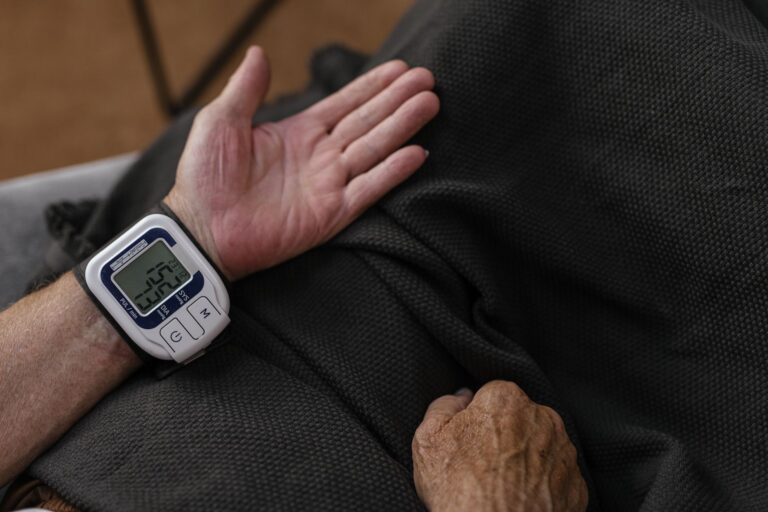
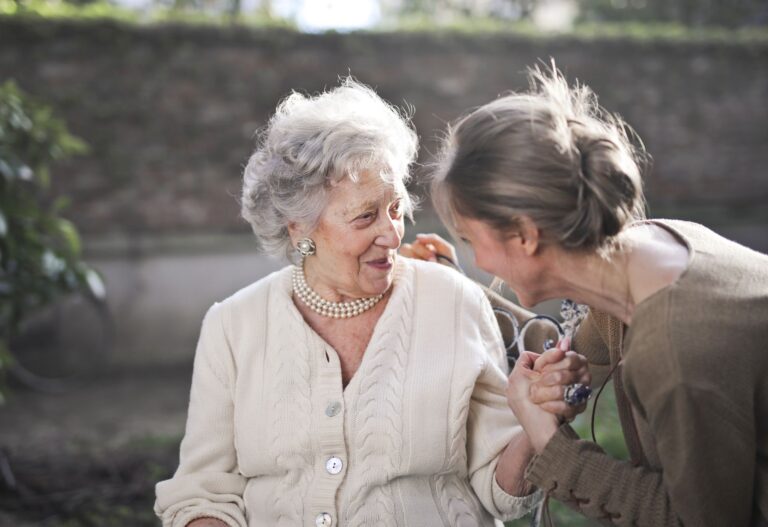
Safe outdoor activities for people with dementia center on three core elements: supervised access to natural light, familiar environments, and gentle physical movement that doesn’t require memory-intensive navigation. A person in mid-stage dementia can still enjoy a 20-minute walk through a neighborhood they’ve lived in for years, or sit in a backyard garden recognizing trees and plants, because these activities don’t rely on new learning—they anchor in sensory experience and routine. The key is matching the person’s current abilities and energy level to the setting, preparing the environment for their safety, and having a caregiver present who can manage unpredictable behaviors or fatigue.
Sunlight exposure is particularly valuable for dementia care because it supports sleep-wake cycles, which often become fragmented as cognitive decline progresses. Morning or early-afternoon outdoor time can help reset circadian rhythm, reduce sundowning (increased agitation and confusion in evenings), and provide natural vitamin D synthesis. Unlike medication or complex interventions, outdoor time is low-cost, accessible, and often improves mood and engagement—but it requires thoughtful planning around heat, hydration, wandering risk, and the person’s sensory sensitivities.
Table of Contents
- How Does Sunlight Help People with Dementia, and What Activities Work Best?
- Why Temperature, Hydration, and Sun Exposure Intensity Demand Careful Monitoring
- What Types of Gardens and Outdoor Spaces Are Safest for Dementia?
- How Should a Caregiver Prepare for Safe Outdoor Time?
- What Should a Caregiver Watch for to Prevent Heat-Related Illness and Behavioral Crises?
- How Does a Caregiver’s Own Health and Burnout Affect Safe Outdoor Outings?
- Are There Specific Times of Day or Seasons When Outdoor Outdoor Activity Is Most Beneficial?
- Frequently Asked Questions
How Does Sunlight Help People with Dementia, and What Activities Work Best?
Exposure to natural light affects the brain’s production of melatonin and serotonin, both of which regulate mood, alertness, and sleep. people with dementia frequently experience disrupted sleep and increased nighttime confusion; morning sunlight helps recalibrate this system. A person who is sundowning in the late afternoon—becoming angry or anxious as darkness falls—may sleep better if they’ve spent time outdoors in the morning or early afternoon. Research on light therapy for dementia shows that even 30 minutes of outdoor time in daylight can shift mood and sleep quality, whereas indoor activity or overcast-day exposure doesn’t produce the same effect.
Simple outdoor activities work best: slow walks on flat ground, sitting in a garden or park, watering plants, bird-watching, or sitting on a porch. These don’t demand memory (you don’t have to remember a destination or route), don’t require learning new tasks, and engage sensory systems—the textures of plants, the sound of birds, temperature changes, and light shifts all provide grounding. A person who can no longer follow a conversation can still perceive a butterfly landing on a flower or notice the warmth of sun on their skin. One-on-one or small-group outings work better than busy public spaces, because unfamiliar crowds can trigger anxiety or disorientation.
Why Temperature, Hydration, and Sun Exposure Intensity Demand Careful Monitoring
People with dementia often lose the ability to recognize or communicate discomfort—a person in advanced dementia may not realize they‘re overheating, or they may not think to drink water when thirsty. In summer heat, this becomes dangerous. Heat exhaustion and dehydration can accelerate cognitive decline, cause urinary tract infections (a common delirium trigger in dementia), and lead to falls or confusion that escalates behavioral symptoms. A person sitting quietly in the sun may be silently overheating while appearing calm to a caregiver who isn’t watching for early signs: reduced sweating, flushed skin, or slowed responses.
Direct sun exposure also carries risks of sunburn and photoaging, and some dementia medications (particularly antipsychotics used to manage agitation) increase photosensitivity. The safest approach is morning or late-afternoon outings before peak sun intensity (typically 10 a.m. to 3 p.m.), lightweight light-colored clothing, a wide-brimmed hat, sunscreen reapplied every 2 hours, and frequent water breaks—ideally offering water every 15-20 minutes rather than waiting for the person to request it. Even on mild days, dehydration can develop quickly if the caregiver isn’t actively managing fluid intake during outdoor time.
What Types of Gardens and Outdoor Spaces Are Safest for Dementia?
Enclosed or gated outdoor spaces—a backyard, a fenced community garden plot, or a dementia-friendly public garden with clear pathways and minimal traffic—reduce wandering risk and allow the person more freedom of movement without constant close supervision. A private backyard familiar to the person provides the added benefit of recognition and routine; if the person has tended that garden for years, seeing the same plants can trigger positive memories and sense of place. Raised garden beds allow a person with mobility limitations to participate in gardening without excessive bending, and the texture of soil, the scent of plants, and the visible progress of growth all provide sensory engagement. Public parks present more challenges but are not impossible.
A park with a single main loop path, minimal dead ends, and no large bodies of water to wander into is safer than a sprawling park with multiple trails. Visiting during off-peak hours (mid-morning on a weekday rather than weekend afternoon) reduces crowd-related stress. One significant limitation is that parks are less controlled: a person with dementia may wander off a path, be approached by unfamiliar people, or become disoriented if they’ve never been there before. A person familiar with a neighborhood park over many years may navigate it more safely than a new location, because the setting itself provides cues—the location of the playground, the shape of the pond, the layout of trees.
How Should a Caregiver Prepare for Safe Outdoor Time?
Planning matters more than duration. A 15-minute outing with full preparation—proper clothing, water, sun protection, a communication plan if wandering occurs, and a clear endpoint—is safer and more pleasant than a spontaneous 45-minute walk that ends in overheating and caregiver stress. Before any outing, identify an exit strategy: where will you sit if the person becomes tired, what will you do if they refuse to return indoors, and how will you manage bathroom needs if the location lacks a restroom nearby.
Physical preparation includes dressing the person in non-restrictive clothing (tight waistbands can increase agitation), securing their shoes with velcro or elastic rather than laces (which they may untie), and carrying a small backpack with water, sunscreen, a hat if not already worn, and a lightweight blanket (useful if the person becomes cold or anxious and benefits from a familiar texture). Some caregivers use identification bracelets or GPS tracking devices, particularly if the person has a history of wandering. One tradeoff: a tracking device adds setup complexity and cost, but it allows a caregiver brief moments of slightly reduced vigilance without abandoning safety, which can reduce caregiver burnout. Without it, the person must be in arm’s reach at all times outdoors.
What Should a Caregiver Watch for to Prevent Heat-Related Illness and Behavioral Crises?
Heat exhaustion in dementia often presents as confusion, irritability, or sudden aggression rather than the typical signs a younger adult would show. A person who becomes abruptly argumentative, refuses to continue walking, or seems confused about where they are might be experiencing early heat stress, not just behavioral decline. Mottled or flushed skin, rapid breathing, or cool clammy skin (paradoxically) are warning signs. If any of these appear, move the person to shade immediately, offer water, and consider ending the outing. Continuing the activity hoping the person will “adjust” can accelerate a cascade into heat illness.
Sundowning can be worsened by outdoor exertion if the outing occurs too late in the day or is too strenuous, leading to fatigue and agitation. A person who overexerts in afternoon sun may become more confused and agitated by evening, defeating the purpose of the activity. Morning outings (before 11 a.m.) are generally safer for sleep-wake regulation. Another risk is that sensory overwhelm—loud noises, unexpected touches from other people, or sudden changes in light—can trigger fear or aggression. A person who was calm in a quiet backyard may panic in a busy park, and this panic can persist for hours afterward, affecting their evening behavior and sleep.
How Does a Caregiver’s Own Health and Burnout Affect Safe Outdoor Outings?
A caregiver who is exhausted, stressed, or distracted is less able to monitor the person for early signs of distress, less patient if the outing doesn’t go smoothly, and more likely to cut corners on hydration or sun protection. Caregiver burnout is one of the strongest predictors of unsafe outdoor practices and premature institutionalization. Asking for help—enlisting a family member, hiring a companion caregiver for even one or two outdoor outings per week, or attending a dementia caregiver support group—is a safety measure, not a luxury.
Some communities offer dementia-friendly volunteer programs where trained volunteers accompany people with dementia on supervised outings, giving primary caregivers respite. Taking turns with another caregiver, or planning shorter but more frequent outings rather than infrequent marathon expeditions, is more sustainable and safer. A caregiver who knows they have another caregiver coming in two days to take the person for a 20-minute walk is more likely to maintain consistent safe practices than one attempting all outdoor care alone.
Are There Specific Times of Day or Seasons When Outdoor Outdoor Activity Is Most Beneficial?
Spring and early fall (late March through May, September through October) offer the most consistent conditions: moderate temperatures, lower UV intensity, and natural light patterns that align with optimal circadian support. Summer heat is manageable only with extensive precautions and shorter durations. Winter daylight is reduced, and outdoor time is less restorative for circadian rhythm unless it occurs at midday, but winter outings can still reduce agitation if the person enjoys cooler temperatures and doesn’t have mobility limitations from ice. The same person may thrive in a winter outdoor outing in a mild climate but struggle in a cold one.
Morning light (7 a.m. to 11 a.m.) is most effective for circadian rhythm reset, and the UV index is lower than midday. A person who spends 30 minutes outdoors between 8 and 10 a.m., three to five days per week, shows more consistent sleep and less sundowning than one whose outdoor time is sporadic or occurs in afternoon. This finding held true across multiple small clinical studies of dementia units with structured outdoor time versus no structured outdoor access.
- —
Frequently Asked Questions
What if the person with dementia refuses to go outside?
Start with very short exposures (5 minutes) in familiar spaces, at times when they’re naturally more alert and cooperative. Use sensory cues—the scent of a favorite plant or a specific ritual (“we feed the birds at 10 a.m.”)—to create positive association. Refusal often decreases with consistent routine. If refusal persists, consult their healthcare provider about possible causes: pain, medication side effects, or underlying infection.
Can a person with dementia go outside unsupervised?
No. Wandering risk, inability to recognize danger or communicate need for help, and vulnerability to heat or cold make unsupervised outdoor time unsafe, even in a fenced yard. Distraction, a fall, or a sudden behavioral change can occur within seconds. This is a primary safety boundary, not a negotiable restriction.
How often should a person with dementia spend time outdoors?
Three to five outings per week, 20-30 minutes each, show measurable benefits for sleep and mood. Daily is ideal if sustainable without caregiver burnout. One outing per month or less provides minimal circadian benefit.
Should I use bug spray or insect repellent outdoors?
Insect-borne illness is a legitimate risk, but many dementia medications and skin conditions interact unpredictably with DEET-based repellents. Use DEET-free alternatives (picaridin, lemongrass oil) or rely on timing (avoiding dawn and dusk when mosquitoes peak) and clothing (light long sleeves). If the person has a history of skin reactions, test any new product on a small area first.
What if the person becomes aggressive or panicked outdoors?
Stay calm, remove the person from the triggering environment (return indoors or move to a quieter space), do not restrain them unless they’re in immediate danger, and avoid arguing or reasoning about their fear. Validate their emotion (“I see you’re upset”) without validating the fear content. Once calm, plan future outings to avoid known triggers: specific locations, times of day, or crowd levels.
Is sunscreen safe for people with dementia?
Most sunscreens are safe, but mineral sunscreen (zinc oxide, titanium dioxide) is less likely to cause skin irritation than chemical sunscreens, especially if the person has sensitive skin or an existing rash. Reapply every 2 hours or after water exposure. Ensure the person doesn’t ingest sunscreen; if they have a history of putting non-food items in their mouth, consider physical sun barriers (clothing, hat, shade) instead.