Hospice becomes part of late-stage dementia care when curative medical treatments are no longer the goal and comfort and dignity become the focus. Rather than trying to halt disease progression through aggressive interventions, hospice reframes care around managing pain, maintaining quality of life, and allowing natural death to occur with minimal distress. For someone with advanced dementia who can no longer recognize family members, speak coherently, or swallow safely, hospice provides a care structure designed specifically for this final stage of life.
In practical terms, hospice transitions a person from a model of “doing everything possible to extend life” to “doing everything possible to support a good death.” A patient with late-stage Alzheimer’s disease who has stopped eating, experiences frequent infections, and no longer communicates verbally is a typical candidate. Instead of hospitalization for pneumonia, feeding tubes, or aggressive antibiotic courses that may increase suffering without extending meaningful life, hospice care focuses on keeping the person comfortable at home or in a facility, with family present and pain controlled. This shift often comes after months or years of watching dementia progress, and it typically provides relief—both for the dying person and for caregivers watching them decline.
Table of Contents
- When Does Dementia Progression Point Toward Hospice?
- What Services and Support Does Hospice Actually Provide?
- The Role of Family and What Changes in the Home
- Cost, Insurance, and Access Barriers
- Emotional and Ethical Complexity in the Final Decision
- Spiritual Care and Grief Support
- Dementia-Specific Hospice Challenges and Adaptations
- Frequently Asked Questions
When Does Dementia Progression Point Toward Hospice?
Late-stage dementia follows a recognizable trajectory, though the exact timeline varies by individual. The final stage typically lasts months to a few years and includes loss of physical abilities, inability to swallow, incontinence, frequent infections, and loss of response to the environment. A person may spend entire days nonverbal, with eyes closed or unfocused. They cannot feed themselves, recognize loved ones, or express needs. Many families describe watching their relative become a shell—still breathing, sometimes still responding to touch or voice, but no longer “there” in any interactive sense.
Doctors generally recommend hospice referral when life expectancy is believed to be six months or less, when the person has stopped pursuing curative treatments, and when comfort care aligns with their documented wishes. Dementia itself is a terminal illness, though it is slow. A person admitted to hospice with advanced dementia may live weeks to several months; some live longer. There is no hard cutoff. A 92-year-old woman with advanced Alzheimer’s who develops aspiration pneumonia and whose family decides against hospitalization and antibiotics may be an appropriate hospice candidate, while her 80-year-old peer in similar condition might still pursue limited treatment. The decision depends on the person’s baseline wishes, their functional status, and the family’s understanding of what further interventions would accomplish.
What Services and Support Does Hospice Actually Provide?
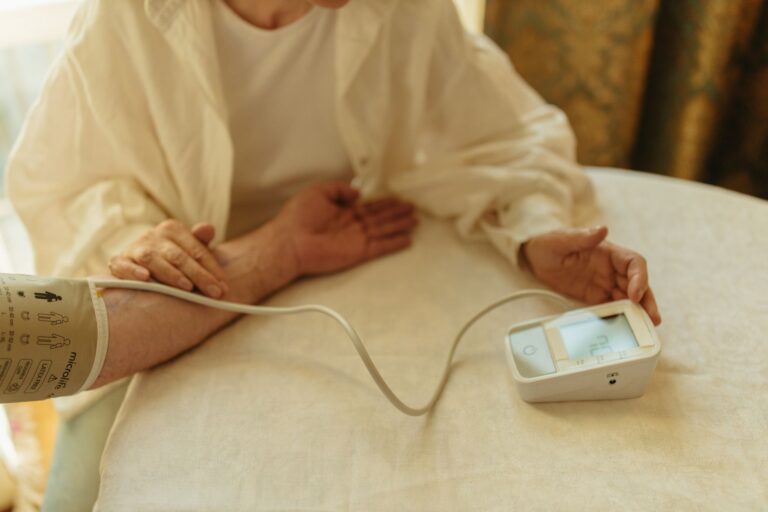
Hospice is not a place; it is a model of care. Most hospice services are delivered in the patient’s home, nursing home, or assisted living facility, though some hospice organizations operate dedicated inpatient units for people who cannot be cared for at home. A hospice team typically includes nurses, aides, social workers, chaplains, and volunteers. The nurse visits regularly—sometimes multiple times per week—to assess symptoms, adjust medications for comfort, teach the family about what to expect, and coordinate care. Pain management is central. Morphine and other opioids are used liberally to prevent suffering, not withheld out of fear of addiction or hastening death (a common misconception).
A person who cannot speak can be restless and agitated from discomfort, and hospice providers watch for signs of pain—grimacing, moaning, muscle tension—and treat them. Medications for anxiety, nausea, and respiratory distress are also standard. However, there is a limitation: hospice is not medical magic. A person with advanced dementia who is declining has a natural dying process that cannot be arrested. Families sometimes hope hospice will “make them comfortable” while secretly hoping the person will improve, which sets up disappointment. Comfort care is not the same as recovery.
The Role of Family and What Changes in the Home
Hospice emphasizes family involvement and education. Nurses teach caregivers how to recognize the signs of approaching death—coolness of extremities, slowing breath, changes in consciousness—so that the end is not shocking or frightening. They explain why the person is no longer eating (the body naturally reduces intake as it shuts down, not because food should be forced) and why certain interventions like feeding tubes may increase suffering rather than extend life meaningfully. For an adult child caring for a parent with late-stage dementia at home, hospice arrival often feels like a turning point.
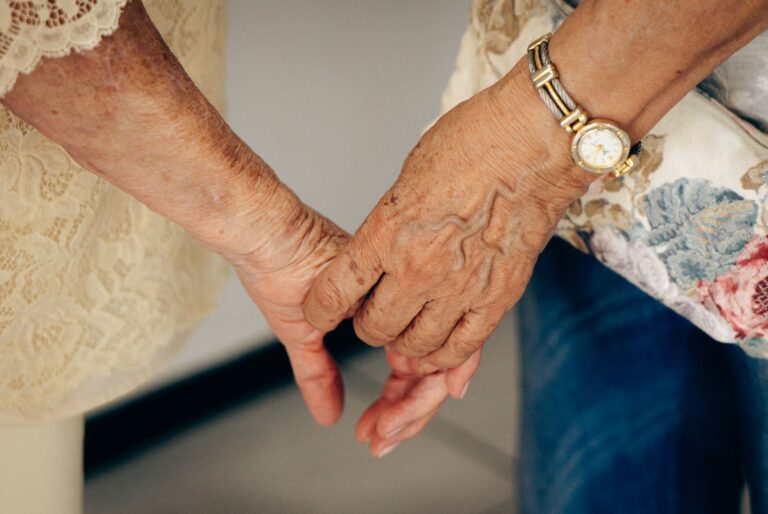
Suddenly there is a trained person available, medications are delivered and managed, and the crushing responsibility shifts slightly. The adult child stops being the sole monitor of symptoms and decisions and becomes part of a team. Many families describe this as a moment of permission to stop fighting and start being present. A son caring for his mother with advanced Alzheimer’s may have spent months trying to keep her eating, dressing, and following routines. Once hospice is involved and the focus becomes comfort, he can sit beside her, hold her hand, and talk to her without the burden of managing decline.
Cost, Insurance, and Access Barriers
Medicare covers hospice care for beneficiaries with a prognosis of six months or less, and most commercial insurance plans follow similar guidelines. Medicaid coverage varies by state but generally includes hospice. Veterans may be eligible for VA hospice benefits. The financial advantage is substantial compared to hospital care or extended ICU stays. However, access is uneven.
Rural areas often have fewer hospice providers, forcing families to travel distances or receive less-frequent visits. Some providers will not take patients with challenging behaviors or complex medical needs, leaving families scrambling. There is also a timing problem: doctors often refer to hospice too late. A dementia patient admitted to hospice with an expected six-month lifespan may die in weeks, giving family little time to adjust or participate in care decisions. Conversely, some people outlive the six-month prediction, and insurance coverage can be withdrawn, leaving families responsible for costs. A family in this situation—told their mother would die in six months, but she lived fourteen—may face bills for months of care their insurance deemed no longer “hospice-appropriate.” This uncertainty is one reason some families avoid hospice altogether, preferring to manage comfort care independently at home.
Emotional and Ethical Complexity in the Final Decision
Choosing hospice is not simple even when medically appropriate. Many families struggle with the feeling that hospice means “giving up” or hastening death, despite evidence that hospice neither prolongs nor shortens life compared to continued aggressive treatment in late-stage dementia. Religious beliefs, cultural traditions around death, and the person’s own expressed wishes (if documented) all influence the decision. A family may be sharply divided: one sibling sees hospice as merciful, another as abandonment. There is also the reality that dementia erases the person’s ability to participate in this decision.
Unlike cancer, where a patient in their right mind often chooses hospice themselves, dementia patients typically cannot express preferences about end-of-life care by the time they need it most. Families must make the decision on their behalf, using advance directives if they exist, the person’s values and personality as they knew them, and the clinical reality of what their body can endure. A warning: some families are presented with a false choice—either aggressive treatment with feeding tubes and hospitalization, or immediate hospice. In reality, there is middle ground: comfort-focused care without pursuing curative treatment but also without formally enrolling in hospice. Not everyone needs or wants formal hospice; some people benefit from simply refusing aggressive interventions and accepting natural decline.
Spiritual Care and Grief Support
Hospice teams include chaplains or spiritual counselors trained to address not just religious needs but existential ones. These are the people who sit with families through the hardest conversations, help document life stories, and support spiritual closure. For some people, this is prayer or sacrament. For others, it is permission to say goodbye without shame, to acknowledge grief before death occurs, and to reflect on a life lived.
Grief support continues after death; most hospice organizations offer bereavement services for family members for a year or more. A family who spent years in conflict with their parent—disagreements about care, personality clashes, old resentments—may find unexpected peace in hospice’s space to communicate, make amends, or simply be present. Conversely, families with deep fractures may use the dying process to continue fighting about decisions, and hospice staff become mediators. Spiritual care is not always about comfort; sometimes it is about truth-telling and healing old wounds before it is too late.
Dementia-Specific Hospice Challenges and Adaptations
Dementia patients often require different hospice approaches than cancer patients. Cancer patients typically experience a period of relatively stable function followed by rapid decline, allowing clear timing for hospice. Dementia decline is protracted and unpredictable—someone may plateau for months in a state families call “actively dying” but from which the person does not actually die. Behavioral symptoms—wandering, aggression, agitation—are common in late-stage dementia and require skilled management.
A hospice nurse working with a person with late-stage dementia must be adept at nonverbal communication, recognizing pain in someone who cannot say it, and managing behavior without restraint or heavy sedation if the family values minimal medication. Specialized dementia hospice programs exist in some areas, with staff trained specifically in late-stage Alzheimer’s and other dementias. These programs understand the unique arc of dementia death—that it is often less about pain management and more about dignity, presence, and preventing dangerous behaviors. An 88-year-old man with vascular dementia who no longer recognizes his wife but becomes violent during personal care requires a different approach than a cancer patient in similar decline. The dementia hospice team adjusts the environment (dimmed lights, familiar music, reduced stimulation), uses medications carefully to calm without oversedation, and teaches the family that their presence and gentle touch matter more than perfect hygiene or treatment adherence.
Frequently Asked Questions
Is choosing hospice the same as choosing euthanasia or hastening death?
No. Research shows hospice neither shortens nor lengthens life compared to standard care in late-stage dementia. It changes how death is managed—with comfort rather than aggressive intervention—but it does not cause death. Many hospice patients live weeks to months after enrollment.
Can a person be on hospice and still receive treatment?
Yes, in limited ways. Hospice focuses on comfort care, so aggressive treatments like chemotherapy or dialysis stop, but comfort medications, wound care, and treatment of acute symptoms like fever can continue if they align with comfort goals. Some families choose to treat an infection with antibiotics while on hospice; others decline. The team works with families to define what “comfort-focused” means.
What if the person lives longer than six months?
Some dementia patients do live beyond the initial six-month prognosis. Insurance coverage can be recertified if the person still meets hospice criteria, but families should understand the possibility of gaps in coverage or cost shifts. Discuss this risk with the hospice team early.
Do I have to move my parent to a hospice facility, or can they stay home?
Most people stay home, in a nursing facility, or in assisted living where they are already living. Formal inpatient hospice units exist but are not required and are often reserved for people who cannot be safely cared for elsewhere.
Can a family change their mind about hospice?
Yes. If a family enrolls in hospice and later decides to pursue treatment again (return to curative care), they can revoke hospice enrollment. However, this is uncommon in late-stage dementia, where decline is usually steady and the reasons for choosing hospice remain valid.
How much does hospice cost, and who pays?
Medicare, Medicaid, and most private insurance cover hospice. Out-of-pocket costs are typically minimal if insured. However, costs vary by provider and region, and some families face gaps depending on insurance type and state regulations. Confirm coverage details with your insurance and the hospice provider before enrollment.