Reviewed by the Help Dementia Editorial Team — our editors review every article for accuracy against guidance from the National Institute on Aging, the Alzheimer’s Association, and peer-reviewed sources.
Dementia care sits at the center of this dementia and brain health question.
Yes, there are multiple safety tools available today that can significantly help dementia caregivers protect their loved ones at home. These range from advanced fall detection systems that use wall-mounted radar to monitor a room without cameras, to smart medication dispensers that lock doses and send alerts when medications are missed. The right combination of these tools—tailored to your specific situation—can reduce falls, prevent medication errors, catch wandering quickly, and give you real peace of mind while your loved one remains in their home environment. The landscape of dementia care technology has changed dramatically.
Where caregivers once relied solely on vigilance and proximity, they now have access to AI-powered systems that learn daily patterns and automatically alert you to anything unusual. A person with dementia might wander out of the house at 2 a.m., or miss a meal without realizing it, or take medication at the wrong time—but today’s smart monitoring systems can detect these situations instantly and notify family members or caregivers before a crisis develops. However, it’s important to understand that no single tool solves dementia care safety. The most effective approach combines multiple technologies with thoughtful home modifications and, when possible, professional caregiver support. This article walks through the specific tools available now, how they work, their real-world limitations, and how to choose what’s right for your situation.
Table of Contents
- What Are Fall Detection Systems and How Do They Prevent Injuries?
- Smart Medication Management Systems: Preventing Dangerous Dosing Errors
- AI-Powered Monitoring: Tracking Daily Patterns and Catching Changes Early
- GPS Tracking for Wandering: Finding Your Loved One Quickly
- Comprehensive Home Safety Modifications: The Foundation
- Professional Caregiver Training and Support
- Building Your Safety Strategy: Integration and Looking Ahead
- Conclusion
What Are Fall Detection Systems and How Do They Prevent Injuries?
Falls are one of the most serious safety risks for people with dementia, who may lose balance due to medication side effects, confusion, or changes in gait and coordination. Wall-mounted radar sensors like those from SafelyYou and CarePredict detect falls automatically without cameras—a critical feature for families concerned about privacy. These sensors use motion detection to track movement patterns in a room and recognize the specific pattern of a person falling, then immediately alert caregivers so they can respond quickly. The difference between a fall detected within seconds versus one discovered hours later can be the difference between a minor bump and a serious head injury or hip fracture.
Unlike wearable devices that require someone to remember to wear them or press a button (something a person with dementia may not do), radar-based systems work continuously in the background. They learn your loved one’s normal movement patterns—how fast they typically walk, where they spend time—and flag anything abnormal. Some systems integrate with smart home platforms so that lights automatically turn on when a fall is detected, which can help both the person and the caregiver assess what happened. The limitation is that these systems work best in single rooms; if your loved one spends time across multiple rooms, you may need multiple sensors.

Smart Medication Management Systems: Preventing Dangerous Dosing Errors
Medication errors are one of the most common preventable harms in dementia care. A person with dementia might take their blood pressure medication twice in one day and forget to take it the next, or confuse similar-looking pills. Smart medication dispensers like Hero and MedMinder physically lock each dose until the correct time arrives. The device lights up, alerts your loved one (or you) that it’s time for medication, displays exactly which pills to take, and won’t open until it’s the right moment.
If a dose is missed, the system sends an alert to the caregiver’s phone so you can follow up immediately. The practical value here is concrete: these devices eliminate the need for caregivers to set up pill organizers every week or to watch your loved one take each dose (which isn’t always feasible if you’re a working adult with other responsibilities). Some systems also integrate with pharmacies so refills are automatic. The tradeoff is that not all medications can be managed this way—some must be refrigerated, others are too large for the dispenser—so you’ll likely still need a backup system for those drugs. Additionally, a person with dementia in the early stages might feel infantilized by the device, so introducing it carefully and framing it as a tool to help them stay independent can smooth that transition.
AI-Powered Monitoring: Tracking Daily Patterns and Catching Changes Early
AI monitoring systems like CarePredict, Alarm.com’s senior monitoring service, and SimpliSafe’s fall detection go far beyond simple motion sensors. These systems use machine learning to establish a baseline of your loved one’s normal behavior—when they usually wake up, eat meals, move around the house, sleep—and then automatically alert you to deviations from that pattern. If your mother usually gets out of bed at 7 a.m. but hasn’t moved by 9 a.m., you get an alert. If she normally eats three meals a day but has skipped lunch two days in a row, the system flags it. These alerts often catch problems before a crisis develops.
The beauty of AI-powered monitoring is that it works without requiring the person with dementia to do anything—no buttons to press, no wearables to remember, no conscious participation. The system watches and learns automatically. For example, CarePredict uses cameras with edge processing (meaning the video is analyzed locally, not sent to the cloud), so privacy concerns are addressed while still providing comprehensive monitoring. Alarm.com integrates with other smart home devices like door sensors and motion detectors to create a fuller picture. The limitation you need to understand is that these systems require initial setup time—they need several weeks to learn normal patterns before they’re truly effective—and they’re not appropriate for everyone. Some families feel that continuous monitoring, even when benign, violates their loved one’s dignity.

GPS Tracking for Wandering: Finding Your Loved One Quickly
Wandering is common in dementia and poses real dangers—traffic, exposure to weather, getting lost and becoming disoriented. Multiple GPS tracker options are now available specifically designed for dementia patients, with options that range from wristbands and clip-on devices to even shoe inserts. These systems use GPS, cellular networks, or Bluetooth to track location in real time and send alerts if your loved one leaves a designated safe area. The difference between a person wandering for 10 minutes (found quickly via GPS) and 10 hours (police search required) can determine whether the outcome is a scare or a tragedy.
The practical comparison: older GPS trackers were bulky and had poor battery life, but 2026 options are compact and designed specifically for the dementia use case. Some systems include fall detection, medication reminders, and two-way calling integrated into the same device. However, GPS doesn’t work reliably indoors, so if your loved one tends to wander within the house (which is common), an indoor tracking system like Bluetooth beacons might be more practical than GPS alone. Cost also varies widely, and monthly service fees for cellular-based systems add up over time. You’ll also want to consider whether your loved one can tolerate wearing a device, or whether they’ll remove it or hide it—a real limitation in some cases.
Comprehensive Home Safety Modifications: The Foundation
Before investing in technology, the Alzheimer’s Association and experts recommend establishing basic physical safety standards in your home. These include safety plugs for all unused electrical outlets (to prevent accidental electrical hazards), cabinet latches and drawer locks (to prevent access to dangerous items), at least one handrail on stairs with grip strips or colored tape on the step edges (to prevent falls), proper lighting in all rooms including bathrooms (to reduce trip hazards), and stove knob covers or automatic shut-off devices that prevent unintended cooking. You should also secure storage for cleaning supplies, medications, and sharp objects like knives. The reason these basics matter: technology can alert you to problems, but physical modifications prevent problems from happening in the first place.
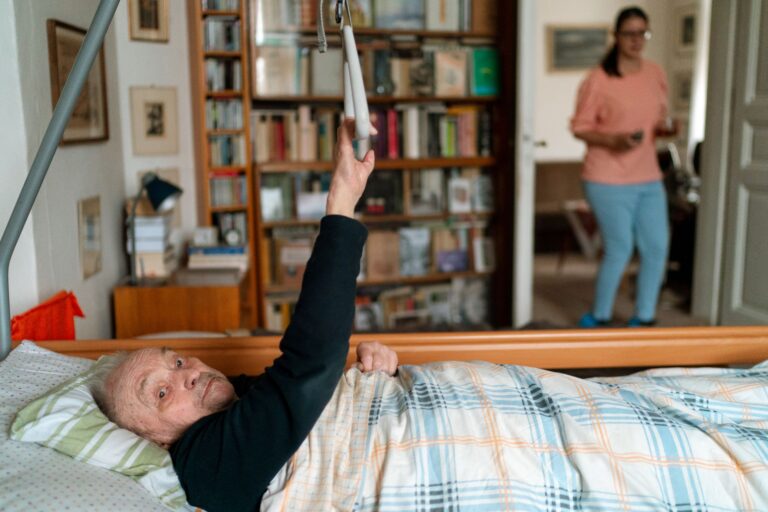
A fall detection sensor is useful only after someone has fallen, whereas a handrail prevents the fall. A medication dispenser is helpful but can’t prevent your loved one from accessing a bottle of aspirin stored under the sink. The warning is that home safety modifications take time and money—hiring a professional to assess your home can be worthwhile, though many of these changes can be made affordably. Some caregivers make the mistake of adding technology without addressing basic safety, which is backwards. Start with the physical environment, then layer in technology where it adds real value.

Professional Caregiver Training and Support
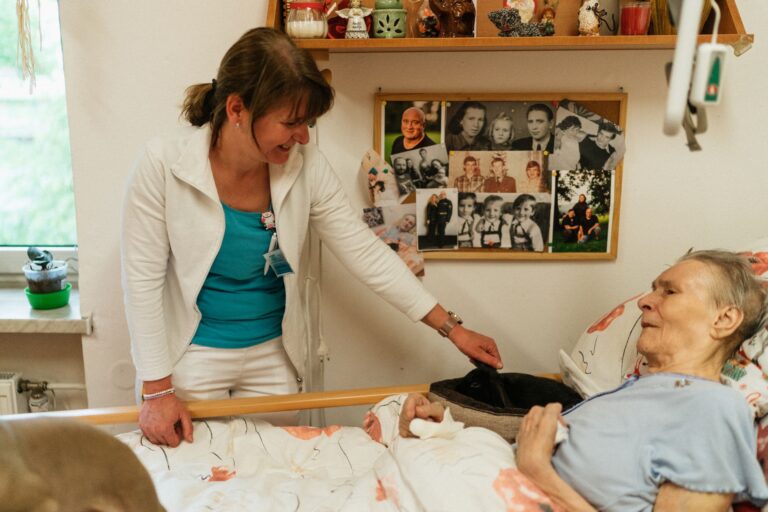
If you’re hiring in-home caregivers or using an agency, specialized dementia-focused training is now standard practice and represents a significant shift from how dementia care was delivered even five years ago. These trained caregivers learn how to communicate effectively with someone whose memory and language skills are declining, how to recognize and de-escalate behavioral changes, how to assist with activities of daily living in ways that preserve dignity, and how to partner with family caregivers rather than work in isolation. A professionally trained caregiver can implement safety protocols, monitor medication, watch for fall risks, and provide the consistent presence that technology cannot.
The practical reality is that even the best technology still requires someone present to respond to alerts, to ensure medications are taken, and to provide the hands-on care that dementia eventually requires. Professional caregivers trained in dementia-specific techniques reduce the isolation many family caregivers feel and can catch subtle changes in your loved one’s condition—a small decline in appetite, increased confusion, new behavioral patterns—that might not trigger a technology alert but are still important. Costs vary by region, but combining professional care with safety technology is often the most reliable approach.
Building Your Safety Strategy: Integration and Looking Ahead
The most effective dementia home safety approach doesn’t rely on a single tool but rather a thoughtful integration of multiple systems matched to your loved one’s specific needs and your capacity to manage them. Someone in early dementia might benefit primarily from medication management and fall detection, while someone in middle or late stages might need GPS tracking, AI monitoring, and in-home caregiver support. The tools you choose should work together—a unified platform where medication reminders, fall alerts, and monitoring data all flow to the same app or dashboard is easier to manage than juggling five different services.
Looking ahead, the dementia care technology landscape continues to evolve. New innovations in wearable devices, smart home integration, and predictive AI are making it possible to catch health changes (like urinary tract infections or early signs of aspiration) before they become emergencies. However, the fundamental principle remains: technology supports human care but does not replace it. The goal is to use these tools to give your loved one more independence and safety while reducing the cognitive and emotional burden on you as a caregiver.
Conclusion
Safety tools for dementia home care fall into several categories—fall detection, medication management, activity monitoring, GPS tracking, home modifications, and professional support—and the right combination depends on your loved one’s stage of dementia, their specific risks, your living situation, and your budget. The tools available today are significantly more sophisticated and less invasive than options from even a few years ago, with systems that learn patterns, detect anomalies, and alert you without requiring your loved one to remember to wear or use anything.
Your next step is to assess the specific safety risks in your situation. Does your loved one tend to wander? Are medication errors a concern? Have they fallen or are they at high risk? Do you have the time to monitor them continuously? Once you’ve identified your priority risks, you can choose appropriate tools and modifications. Start with basic home safety, add technology where it addresses your specific gaps, and don’t hesitate to bring in professional support—dementia care is a marathon, not a sprint, and you’ll manage it better with help.
You Might Also Like
- Dementia Care Planning: What to Do After the First Warning Signs
- Cognitive Decline Warning Signs: What Caregivers Should Watch For
- One Lifestyle Change That May Help Protect Against Dementia
For more, see National Institute on Aging.