Reviewed by the Help Dementia Editorial Team — our editors review every article for accuracy against guidance from the National Institute on Aging, the Alzheimer’s Association, and peer-reviewed sources.
An early-stage dementia safety checklist is a practical, room-by-room guide to reduce accident risks, prevent wandering, and manage medication before cognitive decline advances. The goal isn’t to create an institutional environment, but to make gradual, thoughtful modifications that maintain independence while removing hidden dangers. For example, if your parent with early-stage Alzheimer’s recently left the stove on and forgot about it, the checklist helps you address that specific risk through simple changes like installing a stove auto-shutoff or moving frequently-forgotten items to visible locations.
Early-stage dementia, also called mild cognitive impairment or MCI, presents a critical window. The person still understands most conversations, can participate in familiar activities, and often resists the idea that they need help. This makes the timing delicate—changes that feel too controlling can trigger defensiveness or shame, while delays can lead to preventable accidents. A structured checklist helps you prioritize which risks matter most and implement changes gradually, with buy-in from the person affected.
Table of Contents
- Why Does Home Safety Matter More in Early Dementia Than Other Cognitive Changes?
- Creating a Medication Management System That Accounts for Cognitive Decline
- Kitchen and Cooking Safety During Early Cognitive Decline
- Preventing Wandering and Getting Lost in Early Dementia
- Financial and Legal Safety as Cognitive Function Changes
- Bathroom Safety and Fall Prevention
- Technology and Monitoring: Balancing Safety With Privacy and Autonomy
- Conclusion
Why Does Home Safety Matter More in Early Dementia Than Other Cognitive Changes?
In early-stage dementia, cognitive lapses are unpredictable. Your loved one might remember their grandchild’s name perfectly one day and draw a blank the next. They may forget they took medication and take it again, or forget they already ate lunch and prepare another meal. Unlike some conditions that follow a steady pattern, early dementia creates gaps—the person is still mostly “themselves,” which can make danger less obvious to visitors or even to them.
This inconsistency is precisely why environmental changes work better than relying on memory. A 2022 study in *Journal of Alzheimer’s Disease* found that falls increase by 350% in early dementia, often triggered by clutter, poor lighting, or medication side effects that affect balance. The person may forget why they’re in a room, trip over a pet, or take incorrect medications because they can’t read labels or remember what they already took. These aren’t character flaws—they’re predictable cognitive changes that respond to environmental adaptation. Installing grab bars and removing throw rugs costs less than one emergency room visit and prevents weeks of setback and fear.

Creating a Medication Management System That Accounts for Cognitive Decline
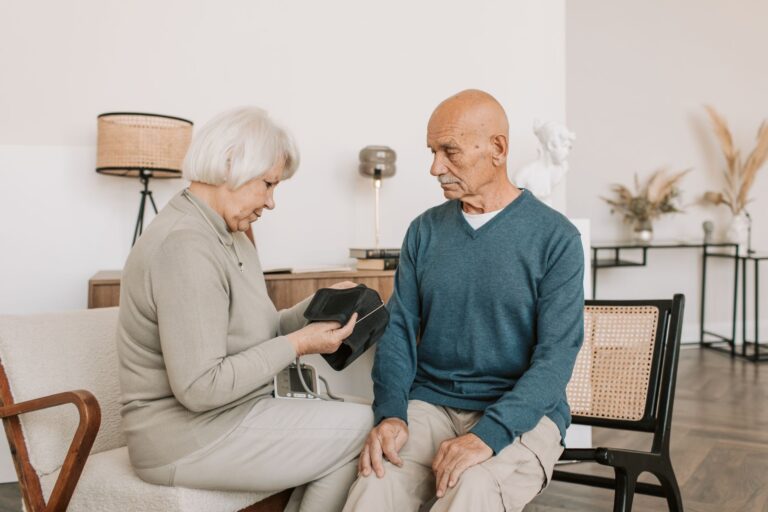
Medication errors are among the most dangerous risks in early dementia. A person might take their blood pressure medication twice, skip doses entirely, or take pills intended for someone else. Pill organizers with alarms help, but many people in early dementia become defensive about them—they feel like the organizer is calling them forgetful, even when cognitively aware enough to understand the rationale. The most effective systems combine a physical barrier (locked medication cabinet) with a simplified routine (one time of day, same location, same person supervising if possible).
Medication lists should be printed, placed on the fridge, and shared with all doctors and pharmacists. A limitation of relying solely on patient memory: even someone who insists they “always remember to take my pills” may genuinely forget they’re on blood thinners or have stopped taking a statin without realizing it. Pharmacy-filled blister packs (dose packs) are gold-standard in many settings because they physically separate each dose and reduce the cognitive load of remembering which pills go when. If your loved one resists pharmacist involvement, frame it as simplifying their burden, not controlling them.
Kitchen and Cooking Safety During Early Cognitive Decline
Cooking is often a cherished activity that people with early dementia want to preserve. However, the combination of forgetting about the stove, leaving utensils in places that cause burns, and confusion over food safety creates real fire and contamination risks. One practical example: a person might reheat leftovers that have been at room temperature for two days, not remembering the food safety rule or thinking “I smell it, so it’s fine.” Simple changes: move frequently-used cookware to convenient spots, remove clutter from counters so nothing catches fire, and install a stove auto-shutoff device ($20–40) that turns off the burner after 60 minutes of continuous heat.
A limitation of the auto-shutoff is that it may frustrate someone who enjoys slow cooking or canning, which require longer heating. Label frequently-used kitchen items with large, clear labels. If cooking is central to their identity, consider cooking together or preparing ingredients in advance so they can assemble rather than create from scratch.

Preventing Wandering and Getting Lost in Early Dementia
Wandering behavior often starts in early dementia without caregivers realizing it. A person steps outside “just for a minute” and becomes disoriented two blocks away. They may drive to an old neighborhood or store and realize mid-journey they’re confused about directions. Unlike late-stage wandering, early-dementia wandering is often purposeful—they’re trying to do something—but the execution is impaired by spatial disorientation or forgetting why they left.
Preventive measures include: GPS-enabled devices (Apple AirTag, Gizmo Watch) worn or placed in everyday items like wallets or car keys; alert systems with local law enforcement; keeping a recent photo available; and having neighbors and local shops know the person’s situation. A practical comparison: a locked front door with a keypad code you control prevents wandering but may feel imprisoning and violates independence. A GPS approach allows more freedom while reducing panic. The tradeoff is that GPS requires the person to carry or wear the device, and some may remove it if they feel watched.
Financial and Legal Safety as Cognitive Function Changes
Early dementia brings vulnerability to scams, impulsive purchases, and unwise financial decisions. A person might sign up for subscription services they forgot about, respond to phone scams more readily than before, or make a major purchase without consulting their partner. Unlike medication errors, financial mistakes happen over weeks and go unnoticed until bills pile up or accounts are depleted.
Protective steps: consolidate accounts to reduce confusion, set up alerts for unusual spending, limit access to online banking without supervision, and consider powers of attorney while the person can still legally grant them (requiring mental competency at the time of signing). A major limitation: these measures can feel patronizing and erode trust, especially early on. The person may feel they’re being treated like a child or viewed as already incapable. Framing is crucial—approach financial oversight as “helping me manage the bills so you don’t have to worry” rather than “I don’t trust you.” Involving an accountant or attorney as a neutral third party can reduce the emotional load on the caregiver-care receiver relationship.

Bathroom Safety and Fall Prevention
The bathroom combines slipping hazards, hard surfaces, and cognitive confusion. A person may forget how to use the shower controls, slip on wet tile, or fall while standing up too quickly due to medication side effects or low blood pressure. Specific example: a woman with early Alzheimer’s forgot where the toilet was in her own home and fell looking for it in the dark—a simple motion-sensor nightlight would have prevented that fall.
Install grab bars at the toilet and shower, use non-slip mats, improve lighting (especially nighttime lighting to the bathroom), and remove clutter. Handheld showerheads and walk-in tubs are more expensive but allow for greater independence and dignity. Remove mirrors if the person becomes frightened or confused by their reflection—this is rare but documented in dementia.
Technology and Monitoring: Balancing Safety With Privacy and Autonomy
Modern monitoring technology—video doorbells, motion sensors, bedroom monitors, medication reminders with phone notifications—offers real safety benefits. A camera in the driveway can alert you if someone wanders. A motion sensor can tell you when your parent leaves their bedroom at 3 a.m.
However, surveillance can feel violating and undermine the person’s sense of autonomy and dignity. This is especially true in early dementia, when they retain enough awareness to feel insulted by being “watched.” The safest approach early on is transparency: install monitoring devices with the person’s knowledge and agreement if possible, clearly explain what information you’ll see, and avoid hidden cameras in bedrooms or bathrooms. As dementia progresses and safety risks increase, hidden safety measures become more ethically justified, but this shift should be deliberate and reconsidered regularly. Technology is a tool, not a substitute for presence and relationship.
Conclusion
A dementia safety checklist is not a one-time box to tick—it’s an evolving document that changes as the person’s abilities shift. The key is to act during the early stage when you can involve the person in planning changes, preserve autonomy, and prevent accidents before they erode confidence and independence. Small, thoughtful modifications—better lighting, labeled items, simplified routines, and carefully chosen assistive devices—often prevent the cascade of falls, injuries, and crises that accelerate decline.
Start by identifying the highest-risk areas: medication management, kitchen safety, and fall prevention are almost universal priorities. Then customize based on your loved one’s activities and challenges. Review the checklist every 3-6 months and adjust as abilities change. The goal is to buy time—time to enjoy activities, maintain relationships, and support the person in living at home longer while they remain safe.