Reviewed by the Help Dementia Editorial Team — our editors review every article for accuracy against guidance from the National Institute on Aging, the Alzheimer’s Association, and peer-reviewed sources.
Meal kits sits at the center of this dementia and brain health question.
Yes, meal kits can help people with mild cognitive decline, but they work best as part of a broader care strategy rather than a standalone solution. For someone experiencing early memory loss or difficulty with planning and organization, meal kits reduce daily decision-making burden, ensure consistent nutrition, and remove the risk of forgetting groceries or leaving food to spoil. Consider Robert, a 72-year-old with mild cognitive impairment who struggled to remember which ingredients he’d purchased and often threw away expired items—switching to a weekly meal kit service eliminated these pain points and gave his daughter peace of mind knowing he was eating balanced meals.
The real benefit lies not in reversing cognitive decline, but in supporting the foundations that brain health depends on: regular, nutritious meals with less mental strain. People with early cognitive changes often skip meals or fall into repetitive eating patterns because planning feels overwhelming. A structured meal kit system removes that cognitive load at a crucial time when preserving energy for memory and decision-making matters most.
Table of Contents
- How Do Meal Kits Reduce Cognitive Burden for Someone With Mild Cognitive Decline?
- Nutritional Benefits and Why They Matter for Brain Health
- Managing Memory and Following Meal Kit Instructions
- Cost, Logistics, and Practical Considerations
- Food Safety, Expiration, and Storage Challenges
- The Social and Emotional Aspect of Meal Kits
- Long-Term Viability and Planning Ahead
- Conclusion
- Frequently Asked Questions
How Do Meal Kits Reduce Cognitive Burden for Someone With Mild Cognitive Decline?
Mild cognitive impairment often affects executive function—the mental processes that handle planning, decision-making, and task sequencing. Meal kits eliminate three major cognitive steps: deciding what to eat, creating a shopping list, and shopping itself. Instead of navigating a grocery store and managing a list of ingredients, a person receives pre-portioned items with clear instructions. This simplification is especially valuable because the brain can redirect that mental energy toward memory exercises, social engagement, or other activities that support cognitive health.
The structured nature of meal kits also creates beneficial routine. Someone with MCI may forget they’ve already eaten or struggle to remember what day it is, but a delivered meal kit with a scheduled arrival day anchors their week. A comparison: Maria, 68, was forgetting lunch and eating only dinner until her family arranged a meal kit delivery every Monday. The predictable arrival became a weekly landmark that helped her organize her thinking and ensure she was eating three meals daily rather than one or two.
Nutritional Benefits and Why They Matter for Brain Health
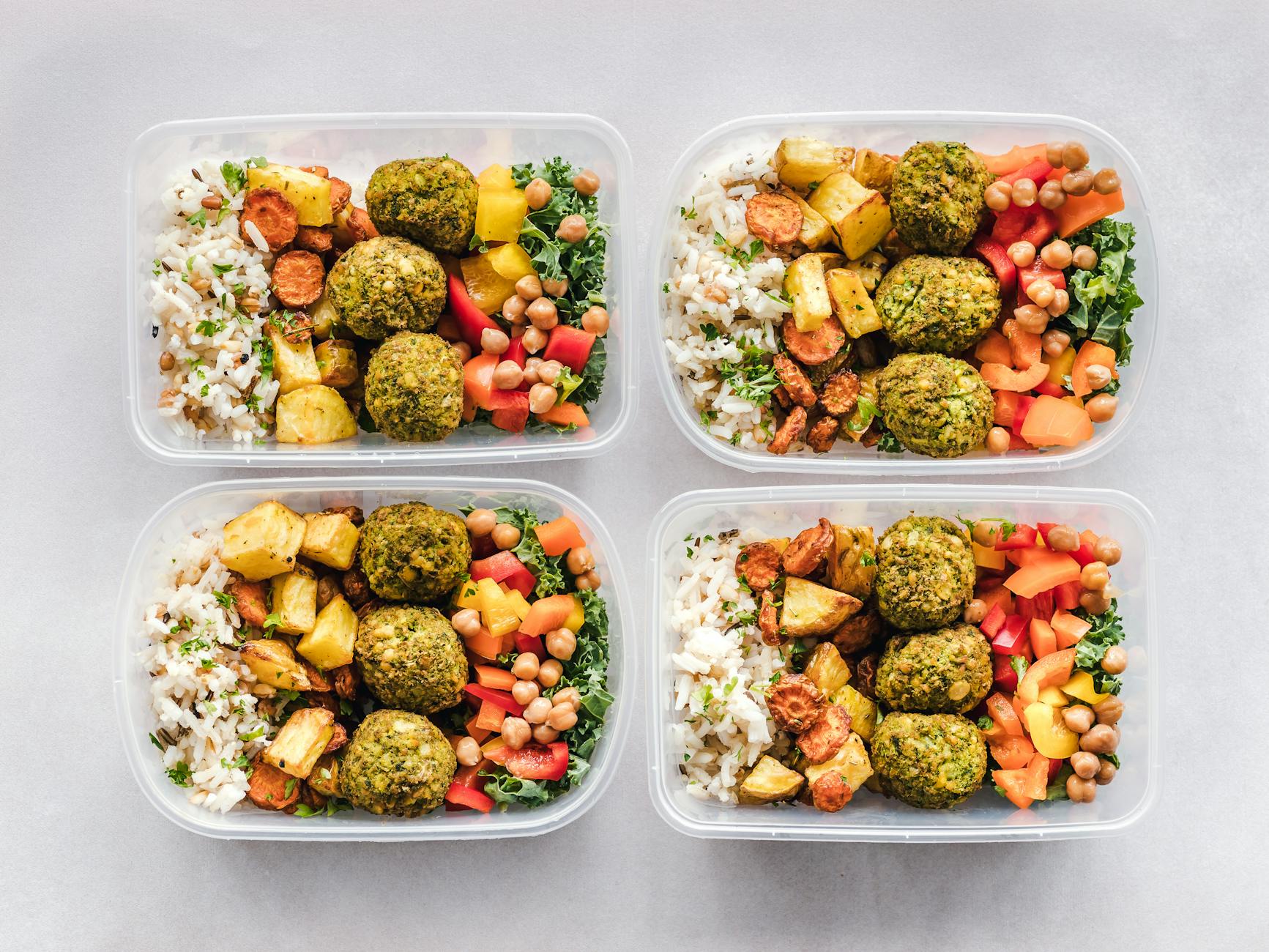
Research consistently links diet quality to cognitive function, particularly nutrients like omega-3 fatty acids, B vitamins, antioxidants, and adequate protein. Many meal kits now offer options designed around these principles, and the key advantage is consistency—instead of occasional healthy meals mixed with takeout or processed foods, someone receives the same nutritional standard every week. This stability matters because people with mild cognitive decline often lack the motivation to cook from scratch, and takeout tends to be high in sodium and low in micronutrients critical for brain health. However, a significant limitation is that meal kits cannot replace personalized nutritional guidance from a healthcare provider.
Some people with MCI have comorbidities—diabetes, high blood pressure, swallowing difficulties—that require specialized meal planning. A standard meal kit won’t account for these needs. Additionally, the convenience of meal kits can mask an underlying issue: if someone is struggling with basic cooking steps, a meal kit with instructions might still be too complex. Someone with advanced MCI or early dementia might need fully prepared meals, not ones requiring assembly.
Managing Memory and Following Meal Kit Instructions
Clear, step-by-step meal instructions can actually be helpful for someone maintaining cognitive engagement—following a recipe keeps working memory active. However, this assumes the instructions are actually manageable. If someone with MCI can follow five simple steps with images, a meal kit works well.
If they’re struggling to remember which burner to use or forget they’ve started cooking, meal kits become a liability. A real case: James, 70, with mild cognitive decline found that HelloFresh’s simple recipes kept him engaged and feeling capable, and his daughter could video-call him during cooking to provide gentle reminders about timing. Conversely, another family discovered that their parent with MCI abandoned meal kits after forgetting stovetop meals were still cooking, leading to burnt food and a minor safety incident. The solution wasn’t to abandon meal kits entirely but to switch to partially prepared meals that required minimal active cooking—just reheating and assembly.

Cost, Logistics, and Practical Considerations
Meal kits typically cost $10–15 per serving, significantly more than grocery shopping if you’re willing to meal-plan and cook. For families supporting someone with MCI, this cost must be weighed against the value of eliminated food waste and the time someone doesn’t have to spend planning or shopping. If someone with cognitive decline previously threw away 30% of groceries or ate irregularly, a meal kit might actually be cost-neutral. If they have caregivers already handling shopping and cooking, a meal kit is an added expense.
Logistics also matter in unexpected ways. Meal kits require adequate refrigerator and freezer space, someone available to receive deliveries, and the ability to open packaging without difficulty. For someone living alone with MCI, a missed delivery or a crowded apartment might mean spoiled food—ironically recreating the same spoilage problem meal kits are meant to prevent. Comparison: For an older adult with strong family support and space, meal kits are convenient; for someone isolated or living in a shared housing situation, they may create more problems than they solve.
Food Safety, Expiration, and Storage Challenges
While meal kits provide pre-portioned ingredients, someone with MCI might forget whether they’ve used an ingredient or lose track of expiration dates within the prep window. A chicken breast delivered Monday might go bad by Wednesday if the person forgets they haven’t used it or stores it incorrectly. This is not a meal kit failure—it’s a cognitive limitation that meal kits don’t address.
The warning here is that meal kits require responsible storage and attention, even if they reduce grocery shopping complexity. Additionally, some meal kits include raw proteins that require careful handling to avoid foodborne illness—not a concern for someone cognitively intact, but a risk for someone with declining memory. Partially prepared meals (proteins already cooked, vegetables pre-cut) reduce this risk compared to fully raw kits, but they’re often unavailable or cost more. Families should clarify whether their loved one can safely handle raw meats and store food correctly before committing to a meal kit service.

The Social and Emotional Aspect of Meal Kits
Eating is deeply tied to dignity and engagement. For someone with mild cognitive decline, a meal kit isn’t just nutrition—it’s a daily reminder that they can still cook, still participate in meal preparation, and still enjoy autonomy. Many people with MCI report that doing something competently, like following a meal kit recipe successfully, reinforces their sense of capability during a time when their brain is sending discouraging signals.
However, this benefit depends on shared cooking or eating. Someone eating alone every night from a meal kit may experience the opposite—isolation reinforced, not connection enhanced. The ideal scenario involves a family member or caregiver cooking alongside the person with MCI, using the meal kit as a structured framework for shared time. This turns a meal kit into a tool for engagement rather than just convenience.
Long-Term Viability and Planning Ahead
Meal kit services are valuable for the mild cognitive decline phase, but their utility may decline as cognitive function worsens. Someone who can follow three simple steps today might not be able to in six months or a year. This means meal kit adoption isn’t a permanent solution but a time-limited tool that should be part of a broader plan.
As cognitive decline progresses, the goal shifts from “person can cook with guidance” to “person is receiving adequate nutrition,” which might eventually mean fully prepared meals, assisted living, or memory care where meals are provided entirely. Forward-thinking families should view meal kits as a bridge—they maintain independence and engagement while buying time for other support systems to develop. A meal kit at stage 1 MCI buys time to explore caregiving options, connect with community resources, or arrange family support that will eventually replace the meal kit service entirely.
Conclusion
Meal kits can meaningfully help people with mild cognitive decline by reducing decision-making burden, ensuring consistent nutrition, and maintaining a sense of capability and routine during a vulnerable time. They work best when someone has the cognitive ability to follow simple instructions, adequate storage space, family support or oversight, and when cost is not prohibitive compared to the food waste and caregiver time they prevent.
However, meal kits are not a treatment for cognitive decline and are not appropriate for everyone. The right approach depends on the individual’s current abilities, living situation, family support, and the progression of their condition. They’re best viewed as one tool among many—useful for a specific window of time, meaningful when paired with family involvement or caregiver oversight, and part of a larger plan that acknowledges cognitive decline won’t stop but can be supported.
Frequently Asked Questions
At what stage of cognitive decline do meal kits stop being helpful?
When someone can no longer follow multi-step instructions or safely manage raw ingredients, meal kits transition from helpful to frustrating. This varies greatly by individual, but typically occurs in moderate cognitive decline rather than mild decline.
Can someone with MCI use meal kits safely if they live alone?
Possibly, if they have excellent memory for storage and expiration, and if family or a caregiver checks in regularly. Without oversight, the risk of spoilage or unsafe food handling increases significantly.
Are some meal kit services better for people with cognitive decline?
Services offering clearly illustrated, fewer-step recipes and partial prep (pre-cooked proteins) work better than complex recipes or fully raw ingredients. However, no meal kit is specifically designed for cognitive decline.
How much does a meal kit typically cost compared to regular groceries?
Meal kits average $10–15 per serving, while grocery-store meals might cost $4–8. However, when accounting for food waste and caregiver time, meal kits may be cost-competitive or cheaper.
Should meal kits replace family involvement in meals?
No. Meal kits work best when family members or caregivers participate in cooking or eating together, maintaining social engagement alongside nutrition.
Can meal kits improve cognitive decline?
Meal kits cannot reverse or slow cognitive decline. They support consistent nutrition, which supports brain health, but they are not a treatment.
You Might Also Like
- Can Recipe Following Reveal Cognitive Problems?
- Can New Creative Output Signal Brain Changes?
- Can Menopause Affect Brain Health?
For more, see Alzheimer’s Association — medical tests.