Reviewed by the Help Dementia Editorial Team — our editors review every article for accuracy against guidance from the National Institute on Aging, the Alzheimer’s Association, and peer-reviewed sources.
Yes, familiar routines can bring significant comfort to people living with dementia. When memory and cognitive function decline, the predictability of daily patterns becomes a foundation for emotional stability and reduced anxiety. For someone experiencing dementia, a morning routine of breakfast in the same kitchen, a daily walk at the same time, or an evening ritual with a familiar person can serve as an anchor to reality and a buffer against confusion and fear.
The reason routines work so powerfully is grounded in how dementia affects the brain. As short-term memory deteriorates, people with dementia often lose the ability to process new information or navigate unexpected changes. However, deeply embedded habits and long-familiar activities can remain accessible even as other cognitive abilities fade. A person who has made coffee the same way for forty years may still be able to perform that task from muscle memory long after they cannot recall what they did yesterday.
Table of Contents
- How Do Familiar Routines Provide Comfort to People with Dementia?
- The Science Behind Routine and Memory in Dementia
- Creating Comfort Through Daily Structure
- Practical Steps for Building Comforting Routines
- Common Challenges When Establishing Routines
- Adapting Routines as Dementia Progresses
- The Role of Family and Caregiver Consistency
- Conclusion
- Frequently Asked Questions
How Do Familiar Routines Provide Comfort to People with Dementia?
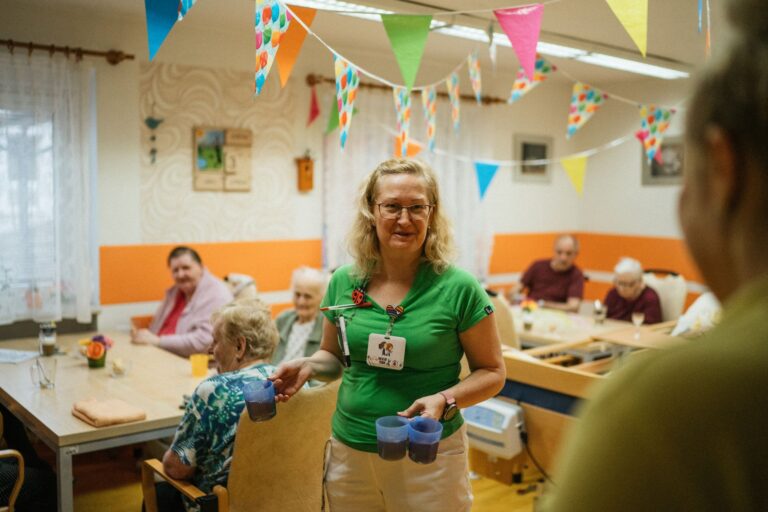
Familiar routines offer comfort because they reduce the cognitive load required to get through the day. When someone with dementia does not have to figure out what comes next—because the day unfolds in the same sequence it always has—they experience less anxiety and frustration. This is not about entertainment or stimulation; it is about creating an environment where the person can function without constant decision-making or the panic of not knowing what is expected. One concrete example is meal time. A person with dementia who sits down at the same table at noon each day may feel disoriented or agitated if that routine suddenly changes. The simple act of sitting in the familiar chair, at the familiar time, with familiar people, signals to their brain that things are as they should be.
Even if they cannot remember breakfast or yesterday’s lunch, the current moment feels right. This sense of rightness—that the world is ordered and predictable—is deeply comforting. Comparison: For someone without dementia, routine is often something to break free from; the appeal of spontaneity and novelty is part of living. For someone with dementia, routine is not monotonous constraint. It is safety. It is the scaffolding that holds the day together.

The Science Behind Routine and Memory in Dementia
The brain stores memories in different ways. Procedural memory—the memory for how to do things—is often preserved longer than declarative memory, which stores facts and events. This is why a person with advanced Alzheimer’s disease might not recognize their own child, but can still participate in a familiar activity like gardening or playing a musical instrument. The routine is embedded in the body and the procedural systems of the brain, not in the parts that store who people are or what happened yesterday. Neurotransmitters like serotonin and dopamine are also influenced by routine. When the brain knows what to expect, it can regulate these neurochemicals more effectively, promoting a sense of calm and well-being.
Conversely, unpredictable environments and sudden changes can trigger the release of cortisol, the stress hormone, which can intensify behavioral symptoms like agitation, aggression, or withdrawal. Some people with dementia who seem calm in the morning might become significantly more distressed in the evening—a phenomenon called sundowning—partly because the structure of the day has dissolved into evening confusion. It is important to note that the comfort of routine does not solve dementia. It does not restore memory or slow cognitive decline. Routines manage symptoms and improve quality of life, but they cannot reverse the underlying disease. This distinction matters for families and caregivers who might feel they have failed if a routine that once worked becomes less effective as dementia progresses.
Creating Comfort Through Daily Structure
The most effective routines are those that align with a person’s history and values. A lifelong gardener will find more comfort in tending plants than in a generic hobby program. Someone who always woke at six in the morning will not suddenly feel at home waking at eight, no matter how pleasant the caregiver tries to make it. The routine must speak to who the person is, or has been. Building structure means looking at the whole day and finding the rhythms that make sense. This might include a consistent wake-up time, regular mealtimes, a mid-day activity or outing, a grooming and hygiene routine, an afternoon rest period, an evening meal, and a consistent bedtime.
Within those anchor points, other activities can vary, but the frame remains steady. Consider a woman who spent fifty years as a teacher. A routine that includes an hour each morning for reviewing books or working with pen and paper—mimicking lesson planning—might give her a profound sense of purpose and comfort, even if she no longer understands that she was a teacher. The consistency extends to the environment itself. Keeping furniture in the same place, using the same walking routes, sitting in the same chairs for meals—these details stabilize the person’s sense of place. Changes to the home environment, even seemingly small ones like rearranging a room or changing curtains, can disorient someone with dementia and trigger distress.

Practical Steps for Building Comforting Routines
Start by documenting what the person’s routine looked like before dementia, or what aspects of their life brought them the most joy and sense of identity. Talk to long-time family members, friends, or earlier caregivers about habits and preferences. This becomes the blueprint for the routine going forward. Next, establish anchor activities—meals, bedtime, morning wake-up, and one or two key midday activities—and keep these at the same times each day. The human body has circadian rhythms that respond to consistency, so eating breakfast at seven in the morning, lunch at noon, and dinner at six will help regulate sleep, digestion, and mood far more effectively than flexible mealtimes. Then, fill in the space between anchors with activities that connect to the person’s past.
For someone who loved music, a daily listening hour might follow lunch. For someone who enjoyed needlework, an afternoon session with activities that use the hands can provide purpose and engagement. One practical tradeoff to consider: maintaining a routine requires significant commitment from caregivers. It is far easier to be flexible and adapt to each day’s demands than to hold the line on structure. But the investment in consistency pays dividends. A person who knows what to expect is less likely to resist care, less likely to wander, and less likely to exhibit behavioral disturbances that exhaust the caregiver. In that sense, routine is also a strategy for caregiver sustainability.
Common Challenges When Establishing Routines
One major challenge is that routines can become rigid in ways that impede care. If a person with dementia has always showered on Tuesday and Sunday, but one Tuesday they have developed an infection and need immediate care, the rigid routine creates conflict. The person resists because it is not the right day, and the caregiver is caught between following the routine and meeting a medical need. Flexible routines—ones with structure but also room for adjustment—work better than completely fixed schedules. Another challenge emerges when someone with dementia develops new behavioral symptoms, such as increased aggression or refusal to participate in previously enjoyed activities. This is a warning sign that the routine itself may have become a source of distress, or that the person’s condition has changed and the routine needs to be reexamined.
What comforted someone in the early stages of dementia might need modification as they progress. A morning walk might become overstimulating; a quiet activity might become more soothing. Caregiver intuition and careful observation are essential. Additionally, many routines depend on the presence of a specific caregiver. If that person is unavailable—due to illness, vacation, or burnout—the routine collapses, and the person with dementia may experience acute distress. Building flexibility into who can implement the routine, and preparing the person gradually for changes in caregivers, can mitigate this risk.

Adapting Routines as Dementia Progresses
As dementia advances, what was once a complex routine may need to simplify. Someone who initially enjoyed a morning routine of reading the newspaper, doing a puzzle, and taking a walk might progress to a point where those tasks feel overwhelming. The routine then becomes: breakfast, a short outing, a quiet sitting activity, lunch, an afternoon rest. The structure remains, but the complexity decreases.
The comfort is still there, but in a form the person can now engage with. Similarly, the person who could once participate in preparing dinner might eventually only be able to sit nearby and observe. Rather than viewing this as a loss, it is an adaptation. The routine of spending time in the kitchen at five o’clock continues, but the person’s role has shifted. They remain part of the familiar activity, even as their capacity has diminished.
The Role of Family and Caregiver Consistency
Consistent caregiving is inseparable from the success of a comforting routine. When the same person helps with morning care each day, the person with dementia learns what to expect from that relationship. They may not remember the caregiver’s name, but they can develop a sense of trust and comfort based on familiarity. This is one reason why family caregivers often provide stability that even well-trained staff cannot replicate—the family member represents years of history and consistent presence.
For families navigating professional care—whether in a home, assisted living, or memory care facility—advocating for consistent staffing can significantly impact the person’s well-being. When staff rotates constantly, the person loses the opportunity to build familiarity. When one or two primary caregivers work regularly with the person, the routine becomes an effective therapeutic tool. Looking ahead, as dementia care continues to evolve, more research on the long-term impact of routine consistency may lead to care practices that prioritize staffing stability alongside medical treatment.
Conclusion
Familiar routines bring genuine comfort to people with dementia because they work with the brain’s remaining capacities rather than against its losses. They reduce anxiety, support procedural memory, regulate the body’s natural rhythms, and create a sense of predictability in a world that has become confusing. The comfort of routine is not a luxury or a nice addition to care; it is a fundamental component of living well with dementia.
For families and caregivers, building and maintaining these routines requires intention and consistency. Start with the person’s history and values, establish anchor points throughout the day, adapt as the person’s needs change, and advocate for caregiver continuity whenever possible. The comfort that emerges from these efforts—a reduction in distress, a sense of safety, moments of engagement—makes the effort of maintaining routine one of the most direct ways to enhance quality of life for someone living with dementia.
Frequently Asked Questions
Can routines prevent dementia from getting worse?
No. Routines do not slow or stop the underlying disease process. They manage symptoms and improve daily quality of life, but they do not reverse cognitive decline or prevent disease progression.
What if my family member resists their routine?
Resistance often signals that the routine no longer suits their changing abilities or that something in the routine has become distressing. It is worth observing what specifically causes resistance—is it a particular activity, a particular caregiver, or a particular time of day?—and adjusting. Sometimes simplifying or changing the activity helps. If resistance is new and sudden, it is also worth consulting with a healthcare provider to rule out pain, infection, or other medical changes.
How do I maintain a routine when I am the only caregiver and I am exhausted?
Caregiver burnout is real and undermines the routine itself. Look for ways to build in rest: respite care, even for a few hours a week, adult day programs, or involving other family members. A simpler routine that the caregiver can actually maintain is better than an ideal routine that leads to collapse.
Is it ever okay to break routine for special occasions or outings?
Yes, but prepare the person for the change in advance using words and repetition, keep the change as brief as possible, and return to the familiar routine as soon as you can. Some people with dementia can adapt to occasional breaks; others become confused by them. Understanding your family member’s flexibility is key.
Should the routine be the same every single day, even weekends?
Consistency matters more than rigidity. Many families find that weekends can have slight variations—sleeping a bit later, a different outing, a special meal—while still maintaining the basic structure. The key is that the person knows what to expect.
What routines work best for someone in late-stage dementia?
Late-stage routines focus on comfort and presence rather than engagement or activity. Consistent times for meals, gentle care routines, quiet sitting time with familiar people, music, and sensory experiences like touch or pleasant scents become central. The routine becomes less about doing and more about being.