Reviewed by the Help Dementia Editorial Team — our editors review every article for accuracy against guidance from the National Institute on Aging, the Alzheimer’s Association, and peer-reviewed sources.
The short answer is yes—dementia patients can experience meaningful recovery after surgery, but their path differs significantly from patients without cognitive decline. Recovery is possible because the temporary confusion and cognitive changes that often follow surgery (called post-operative delirium) are frequently reversible, especially with appropriate management. However, recovery timelines are longer, and the gap between pre-surgery and post-surgery functioning may be wider than in older adults without dementia. Consider Margaret, an 78-year-old with early-stage Alzheimer’s disease who underwent hip replacement surgery. In the immediate days after surgery, she experienced severe confusion and disorientation that alarmed her family.
Within two weeks of careful pain management and a consistent hospital routine, Margaret’s acute delirium cleared. By eight weeks post-surgery, she had regained most of her pre-surgery cognitive baseline, though she remained slightly more fatigued than before. Her case illustrates that recovery is real, but it requires understanding what complications might arise and how to manage them. The key variables determining recovery are the type of surgery, the severity of the dementia, the patient’s overall health, and the quality of post-operative care. Surgery itself doesn’t necessarily accelerate dementia progression, but the stress to the body and the medications used during surgery can create temporary—and sometimes prolonged—cognitive disruption that families misinterpret as permanent decline.
Table of Contents
- How Do Dementia Patients Respond Differently to Surgery?
- The Delirium Factor and Long-Term Outcomes
- The Type of Surgery Matters Significantly
- Pre-Operative Planning and Post-Operative Management
- Medications, Infections, and Hidden Complications
- Chronic Effects and Long-Term Recovery Patterns
- The Role of Post-Surgical Rehabilitation and Future Planning
- Conclusion
How Do Dementia Patients Respond Differently to Surgery?
Dementia patients face several complications that non-dementia patients rarely encounter during surgical recovery. The anesthesia that makes surgery painless can linger in the system longer in people with cognitive decline, intensifying post-operative confusion. Additionally, the disruption to routine, unfamiliar hospital environment, and pain—all of which dementia patients struggle to communicate clearly—create a perfect storm for delirium. This acute confusion is not the same as worsening dementia; it’s a temporary state that can be mistaken for permanent decline.
Research shows that older adults with dementia experience post-operative delirium at rates of 40 to 80 percent, compared to 10 to 15 percent in cognitively intact elderly patients. The difference is stark. A patient with vascular dementia undergoing cardiac surgery may be significantly more confused post-operatively than a person of the same age without dementia undergoing the same procedure. However, once the delirium resolves—which typically occurs within days to weeks—many patients return to their baseline. The critical distinction is recognizing that this confusion is delirium (temporary) rather than a permanent worsening of the underlying dementia.

The Delirium Factor and Long-Term Outcomes
post-operative delirium in dementia patients can be severe enough that family members question whether their loved one will ever be “themselves” again. This fear is understandable but often unfounded. Delirium typically peaks within 24 to 72 hours after surgery and gradually improves as the body processes anesthesia, pain medication normalizes, and routine is restored. The limitation families must accept is that recovery may be slower—sometimes taking weeks instead of days—and the return to baseline is not always complete.
Some dementia patients do experience permanent cognitive decline following surgery, but this is less common than families fear. When it does occur, it’s often due to surgical complications such as infection, stroke, or blood clots that affect the brain directly, rather than from the surgery itself or from delirium. This is why post-operative monitoring is critical; catching infections early, managing pain effectively, and preventing blood clots can significantly reduce the risk of permanent decline. A patient with moderate Alzheimer’s disease undergoing cataract surgery, for example, faces much lower risks of permanent cognitive decline than a patient with severe dementia undergoing major abdominal surgery.
The Type of Surgery Matters Significantly
Not all surgeries carry the same cognitive risk for dementia patients. Minimally invasive procedures like cataract surgery or simple biopsies typically result in less post-operative delirium and faster recovery. On the other hand, major surgeries like joint replacement, cardiac surgery, or cancer surgery—which involve longer anesthesia, more extensive tissue trauma, and greater physiologic stress—create higher risks for profound post-operative confusion in dementia patients. Consider two scenarios: Richard, who has mild cognitive impairment, undergoes a straightforward colonoscopy and experiences minimal post-operative confusion that clears within hours. By contrast, his wife Patricia, with moderate Alzheimer’s disease, undergoes hip fracture repair surgery requiring three hours of anesthesia and several days of narcotic pain management. She experiences intense delirium for nearly a week, requiring close monitoring and frequent reassurance from family.
Both recover to their baseline, but the recovery journey is vastly different. The surgical complexity, not the dementia alone, determines the severity of recovery challenges. The brain reserve of the patient also influences recovery. Someone with early-stage dementia and good overall health may recover from major surgery surprisingly well. Someone with advanced dementia complicated by heart disease or kidney disease faces a more uncertain recovery trajectory. Surgeons and geriatricians now routinely assess “surgical risk” for dementia patients not just based on the operation itself, but on the patient’s cognitive reserve and other health conditions.
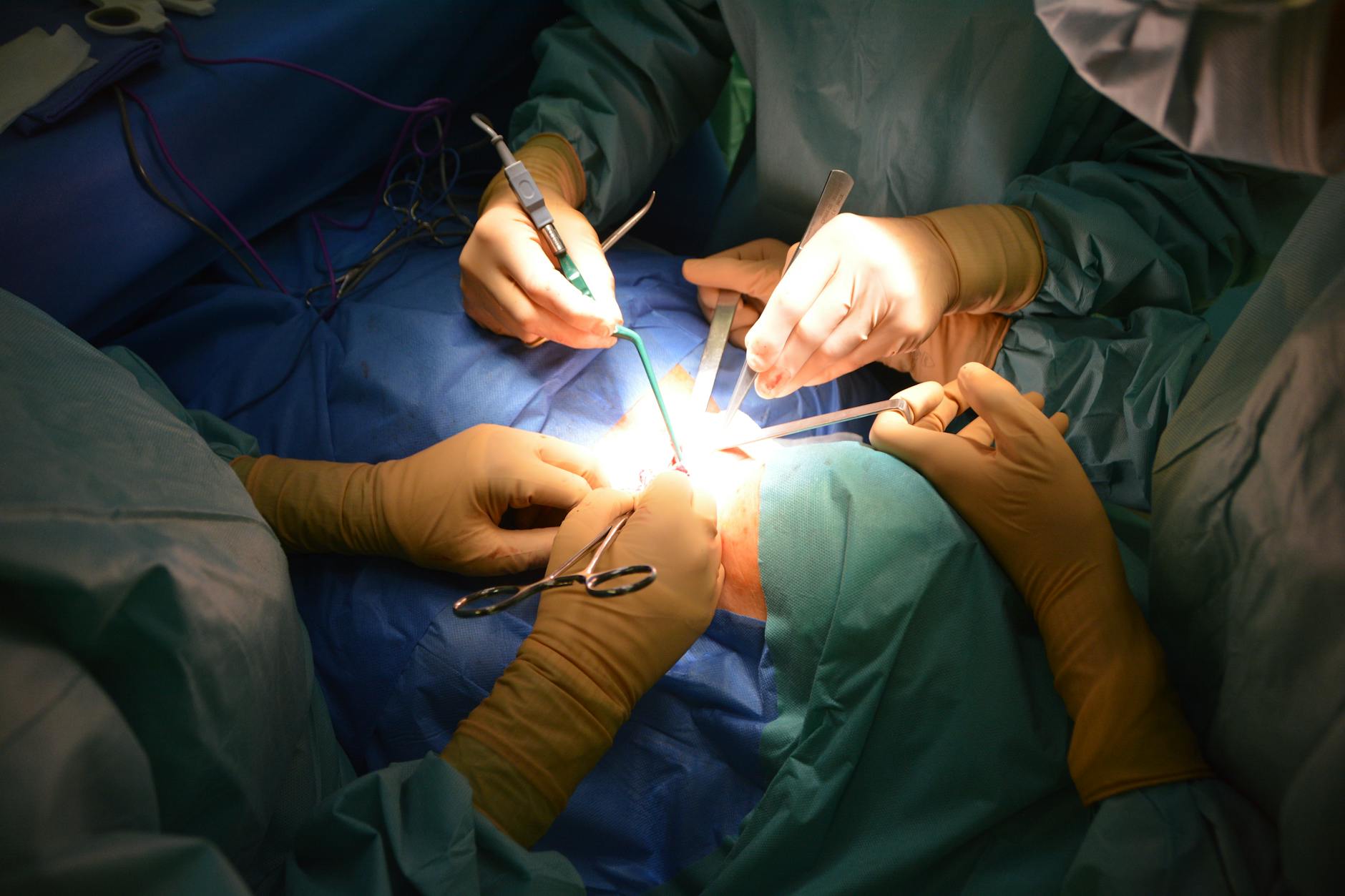
Pre-Operative Planning and Post-Operative Management
The difference between a good and poor outcome for a dementia patient after surgery often comes down to preparation and management, not the surgery itself. Families who meet with the surgical team before the procedure—establishing a clear communication plan, discussing pain management strategies, and preparing the patient mentally—typically see better post-operative outcomes. Creating a visual schedule, having familiar photos or objects in the hospital room, and assigning consistent family members to be present reduces delirium intensity. Post-operative pain management represents a major tradeoff for dementia patients. Strong narcotic pain medications can worsen confusion and increase delirium risk, yet inadequate pain control also intensifies delirium. The solution requires careful balancing: using the lowest effective pain medication dose, combining medications strategically, and maximizing physical therapy and non-medication comfort measures.
A patient recovering from hip surgery might benefit from acetaminophen plus a low dose of short-acting opioid rather than high-dose opioids alone. This balanced approach typically results in better cognitive recovery than either extreme. Mobility is another critical factor. Dementia patients who are mobilized early—getting out of bed, walking, engaging in physical therapy—recover faster cognitively and physically than those kept immobilized. Yet immobilization is tempting in the hospital setting because confused patients sometimes fall. The tradeoff is real: carefully supervised early mobility may cause a fall, but prolonged immobility definitely causes delirium, muscle loss, and functional decline.
Medications, Infections, and Hidden Complications
One of the most overlooked causes of poor post-operative recovery in dementia patients is medication sensitivity. An older adult with Alzheimer’s disease may have severe delirium from pain medications that would barely affect a younger person or someone without dementia. Medications like diphenhydramine (often given for sleep in hospitals), atropine (used before anesthesia), and certain narcotics are particularly problematic. A dementia patient given a standard post-operative medication regimen designed for a 65-year-old without cognitive decline may experience delirium lasting days longer than expected. This is why individualized medication management—using the lowest doses, choosing gentler alternatives, and reviewing all medications—is essential. Post-operative infections, even minor ones, can cause profound delirium in dementia patients because their brain is already vulnerable to disruption.
A urinary tract infection developing after surgery might trigger severe confusion when the patient’s primary symptom is not urinary discomfort but rather increased confusion. This is a critical warning: dementia patients may not report or even recognize typical infection symptoms, so any change in behavior post-operatively should raise suspicion of infection. Preventive measures—early catheter removal, careful wound care, attention to fluid intake—become even more important. Some dementia patients experience post-operative anxiety or aggression during recovery, and families sometimes request sedation to manage this behavior. While understandable, sedation in dementia patients often backfires, worsening delirium rather than improving it. The alternative—increased staffing, environmental modification, behavioral support—requires more resources but produces better outcomes. A dementia patient pulling at lines or becoming aggressive usually needs reassurance, pain relief, and a calm presence, not more medication.

Chronic Effects and Long-Term Recovery Patterns
Some dementia patients do experience subtle, lasting changes after major surgery—not worsening of dementia itself, but changes in capacity, stamina, or function that persist beyond the immediate recovery period. These changes are typically related to the surgery’s physical impact (weakness from immobility, reduced cardiovascular fitness) rather than to cognitive decline. A woman with moderate dementia who underwent cardiac surgery may regain her cognitive baseline within six weeks but need three to four months to rebuild the physical stamina she had before.
This extended recovery is normal and shouldn’t be misinterpreted as dementia progression. The phenomenon of “going downhill” after surgery is real in dementia patients, but it’s usually reversible with adequate rehabilitation and support. A dementia patient who seemed functional before surgery may appear significantly declined immediately after, but this often reflects the combination of delirium, weakness, and reduced confidence rather than true cognitive deterioration. With physical therapy, cognitive engagement, and family support, many patients climb back toward their baseline over weeks and months.
The Role of Post-Surgical Rehabilitation and Future Planning
Modern approaches to dementia patient recovery emphasize rehabilitation, not just healing from surgery. Specialized dementia care units in hospitals and rehabilitation facilities understand how to manage the cognitive, behavioral, and physical needs of post-operative dementia patients. These settings reduce delirium duration and improve functional recovery. As the population ages and more dementia patients require surgery, this specialized post-operative care is becoming more widely available.
Looking forward, the best outcomes come from proactive planning. Families and care teams who approach surgery in dementia patients with realistic expectations—preparing for temporary delirium, planning for supportive care, and committing to rehabilitation—see their loved ones recover well. The question isn’t whether dementia patients can recover after surgery; the evidence says most do. The question is whether the medical team and family are prepared to support them through a more complex recovery journey than a cognitively intact patient would face.
Conclusion
Dementia patients can and do recover after surgery, despite the well-founded concerns that families often carry. The recovery may be slower, more complicated, and less linear than for patients without cognitive decline, but return to baseline is achievable in most cases. The temporary post-operative delirium that frightens families so deeply is usually just that—temporary.
When careful attention is paid to pain management, medication selection, infection prevention, early mobilization, and emotional support, dementia patients navigate surgery and recovery successfully. The key to a good outcome is preparation and realistic expectations. Surgery in dementia patients isn’t inherently more risky cognitively; what matters is whether the medical team understands dementia, whether the family knows what to anticipate, and whether post-operative care is tailored to the patient’s cognitive needs. If you’re facing surgery for a loved one with dementia, discuss these recovery patterns with the surgical team, arrange for specialized post-operative support if possible, and remember that confusion and behavioral changes in the first days and weeks are signs that the body is healing, not that the dementia is suddenly accelerating.