Reviewed by the Help Dementia Editorial Team — our editors review every article for accuracy against guidance from the National Institute on Aging, the Alzheimer’s Association, and peer-reviewed sources.
Brain injury and dementia planning must overlap because traumatic brain injury significantly increases the risk of developing dementia—sometimes for decades after the initial injury. This is not a minor connection: a single severe traumatic brain injury can increase dementia risk by 35 percent, while moderate and severe TBIs carry even higher multipliers for Alzheimer’s disease specifically. For families and care providers, this means that injury recovery planning and long-term dementia prevention or preparedness cannot be treated as separate concerns. They are fundamentally linked. Consider a 55-year-old construction worker who suffers a moderate traumatic brain injury from a fall at work.
After six months of physical therapy, he returns to baseline function and feels recovered. His family believes the injury is behind them. Yet research shows that this single moderate injury has increased his risk of Alzheimer’s disease by 2.3 times compared to someone without that history. Now, rather than dementia being a distant statistical risk, it becomes a concrete health variable that should shape his preventive care, monitoring schedule, and long-term care planning. This is why overlap matters: ignoring the brain injury component when planning for cognitive aging leaves families unprepared.
Table of Contents
- How Does Traumatic Brain Injury Increase Dementia Risk?
- Why the Brain Vulnerability Persists for Decades
- Which Types of Dementia Follow Brain Injury?
- Mortality, Disability, and the Dementia Connection
- The Mechanism Underneath: Why TBI and Dementia Share Biology
- Practical Overlap in Dementia Prevention and Brain Injury Recovery
- What This Means for Long-Term Care Planning and Future Health
- Conclusion
How Does Traumatic Brain Injury Increase Dementia Risk?
The relationship between traumatic brain injury and dementia is dose-dependent and cumulative. A single mild TBI increases dementia risk by 17 percent. A moderate TBI increases the risk of Alzheimer’s disease by 2.3 times. A severe TBI increases that risk to 4.5 times the baseline. These numbers reflect not just increased likelihood but fundamentally different trajectories for cognitive aging. The brain does not simply heal and return to its pre-injury state; the injury leaves lasting changes in brain structure and function that compound over time.
The cumulative effect of multiple injuries is particularly striking. Individuals who experience two to three traumatic brain injuries show a 33 percent higher dementia risk compared to those without head injuries. Four TBIs push that risk up to 61 percent higher. Five or more traumatic brain injuries increase dementia risk by 183 percent—meaning someone with multiple head injuries is nearly three times as likely to develop dementia as an uninjured person. This escalating risk applies to athletes, military personnel, accident victims, and anyone else exposed to repeated head trauma. For families managing someone who has had multiple injuries, the dementia planning conversation is no longer optional.

Why the Brain Vulnerability Persists for Decades
One of the most sobering findings from long-term research is that dementia risk from traumatic brain injury does not expire after a few years. The risk persists for more than 30 years after the initial injury. Cognitive decline in people with prior TBIs continues to accelerate decades later, suggesting that the injury sets in motion a biological process that remains active for the rest of the person’s life. Research tracking community-dwelling older adults over 30 years found that individuals with two or more incident traumatic brain injuries showed cognitive decline more than twice as fast per decade compared to those without TBIs.
This means that a head injury at age 30 is still meaningfully affecting cognitive trajectories at age 60 and beyond. Families and care providers cannot treat a brain injury as a childhood or young-adult incident that no longer matters. The injury becomes part of the lifelong health narrative. The warning here is significant: waiting until symptoms of cognitive decline appear to begin planning is waiting too long. By the time dementia becomes noticeable, the accelerated decline is already underway.
Which Types of Dementia Follow Brain Injury?
The relationship between traumatic brain injury and dementia subtype is important because it affects what families should monitor for and which cognitive changes to take seriously. Research from the Welsh population shows that TBI is associated with a higher incidence of vascular dementia and unspecified dementia compared to Alzheimer’s disease specifically. This matters because vascular dementia—caused by reduced blood flow to the brain—follows a different progression pattern and may respond differently to interventions than amyloid-driven Alzheimer’s disease.
Additionally, traumatic brain injury shares pathological features with multiple neurodegenerative diseases, including Alzheimer’s disease, Parkinson’s disease, and frontotemporal dementia. The brain does not differentiate between “TBI-related cognitive problems” and “dementia.” The underlying mechanisms—neuroinflammation, oxidative stress, excitotoxicity, and disruption to protein homeostasis—are the same pathways implicated in primary dementia disorders. This overlap means that long-term brain health planning following TBI must address not just dementia prevention but protection against multiple neurodegenerative pathways simultaneously.
Mortality, Disability, and the Dementia Connection
Recent data from long-term studies, including the Framingham Heart Study, shows that traumatic brain injury is associated with significantly increased long-term mortality in older adults. The leading cause of this increased mortality is dementia-related death. This is not a minor association; it reframes TBI from “an injury that heals” to “a condition that shapes longevity and end-of-life trajectory.” The veteran population provides particularly clear data.
Nearly 10,000 veterans with traumatic brain injury showed nearly double the risk of developing Alzheimer’s disease compared to a cohort of 120,000 veterans without TBI. For military families, this means that service-related head injuries—which might seem to resolve over months or years—actually represent a lifelong health variable that must be monitored and planned for. The practical implication is stark: care planning for anyone with a history of TBI cannot focus solely on immediate recovery. It must include provisions for potential cognitive decline, early screening schedules, and contingency plans for long-term care needs.
The Mechanism Underneath: Why TBI and Dementia Share Biology
Understanding what happens at the cellular level helps explain why the connection between brain injury and dementia is not coincidental but biological. Traumatic brain injury triggers a cascade of neuroinflammation—persistent inflammation in the brain—that can persist for years or decades. This chronic inflammation is also a hallmark of Alzheimer’s disease and other dementias. Alongside neuroinflammation, TBI creates oxidative stress (cellular damage from unstable molecules), excitotoxicity (overstimulation of neurons), and disruption to protein homeostasis (the brain’s ability to clear misfolded proteins). These mechanisms create a vulnerability where the injured brain is more susceptible to the pathology of dementia.
It is not that the injury directly causes dementia in all cases, but rather that it primes the brain tissue to develop dementia-related pathology more readily and faster than an uninjured brain. This is why cumulative injuries are so dangerous: each injury re-triggers inflammation and cellular stress, compounding the damage. The limitation of this understanding is that current treatments can slow but not reverse these mechanisms. For families, this reinforces that preventing additional head injuries is crucial. Even a seemingly minor fall or accident in someone with a prior TBI history becomes a significant health event worth preventing.

Practical Overlap in Dementia Prevention and Brain Injury Recovery
For families managing someone with a brain injury history, dementia prevention strategies and injury recovery strategies should be integrated rather than sequential. This includes aggressive management of cardiovascular health, cognitive training, physical exercise, sleep optimization, and management of depression and anxiety—all of which protect against both ongoing TBI recovery and dementia development. A practical example: A 62-year-old woman suffered a moderate TBI from a motor vehicle accident at age 50. Her recovery involved physical therapy and cognitive rehabilitation that ended after two years.
Now, twelve years post-injury, she is showing subtle memory changes and word-finding difficulties. Her neurologist recommends cognitive screening and considers starting anti-dementia medications. Her care planning should also circle back to brain injury prevention measures she might have abandoned: consistent exercise regimens, sleep quality assessment, cardiovascular risk factor management, and cognitive engagement. The injury and the emerging dementia are not separate problems with separate solutions; they are expressions of the same underlying brain vulnerability.
What This Means for Long-Term Care Planning and Future Health
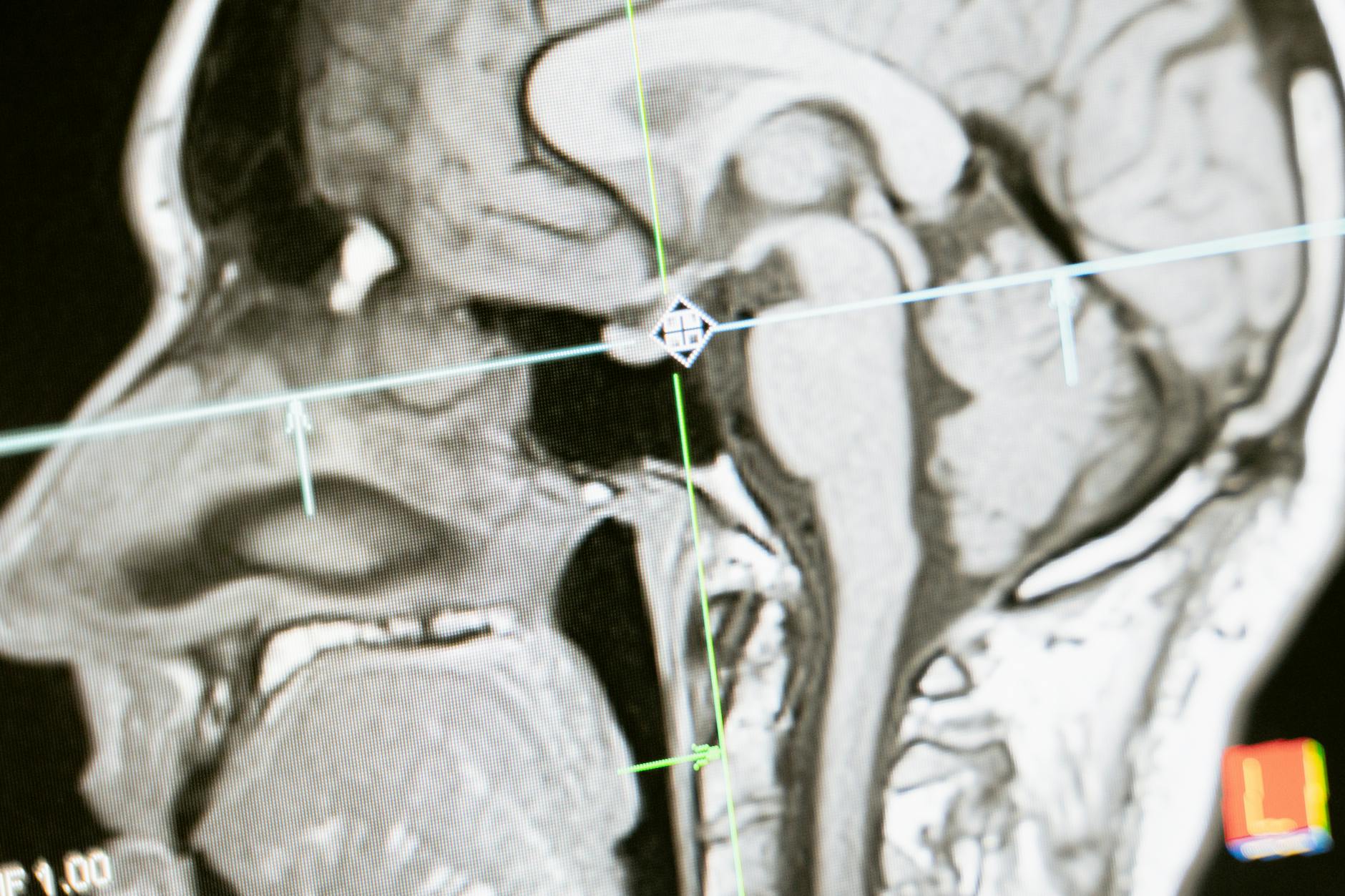
Looking forward, brain imaging, biomarker testing, and genetic screening are becoming more accessible, allowing families to identify people at higher dementia risk earlier in the disease process. For someone with a documented TBI history, these tools take on greater importance. Baseline cognitive testing done in the years after a brain injury—even if recovery seems complete—provides valuable reference points for detecting subtle decline years later.
The future of dementia planning in TBI survivors likely involves earlier, more proactive monitoring and intervention, recognizing that waiting for symptoms to appear means missing a window of prevention. For care providers and family members, this means treating every head injury as a long-term health variable, not just an acute event. The conversation about dementia risk should begin during recovery from brain injury, not years later when cognitive changes emerge.
Conclusion
The overlap between brain injury and dementia planning exists because traumatic brain injury fundamentally alters brain biology in ways that increase dementia risk for decades. A single moderate brain injury increases Alzheimer’s risk 2.3-fold; cumulative injuries increase risk exponentially. Families cannot safely plan for long-term cognitive aging without accounting for prior head injuries, because the injury does not disappear from the brain’s trajectory—it accelerates it.
Effective planning requires integrating dementia prevention strategies into brain injury recovery from the outset, establishing baseline cognitive status for future comparison, and maintaining lifelong vigilance for subtle cognitive changes. The biology is clear, the timeline is long, and the stakes are high. For anyone with a brain injury history, the conversation about dementia is not hypothetical future planning—it is essential preparation for a more likely health outcome.