Reviewed by the Help Dementia Editorial Team — our editors review every article for accuracy against guidance from the National Institute on Aging, the Alzheimer’s Association, and peer-reviewed sources.
Reducing air sits at the center of this dementia and brain health question.
Reducing air pollution exposure stands as one of the most impactful habits you can adopt to lower your dementia risk, and the research is now unambiguous. A single microgram per cubic meter increase in fine particulate matter—the kind invisible to the naked eye that floats through our lungs daily—raises your dementia risk by approximately 17% for every 2 μg/m³ of additional exposure. To put this in human terms: if you live in a city with poor air quality where PM2.5 levels average 25 μg/m³, versus a region where cleaner air measures 15 μg/m³, your brain is experiencing cumulative neurological stress that accumulates over years and decades. The 2024 Lancet Commission formally recognized air pollution as one of just 14 modifiable risk factors for dementia—placing it alongside exercise, cognitive engagement, and sleep as something within our control.
This is not a minor contributor. An estimated 188,000 dementia cases annually in the United States alone are attributable to PM2.5 exposure, and globally, approximately 3% of all dementia cases trace back to air pollution. These are not theoretical numbers; these are individuals who developed cognitive decline because the air they breathed contained harmful pollutants. What makes this habit uniquely powerful is that unlike genetic risk factors you cannot change, air quality improvements are possible through both individual actions and systemic change.
Table of Contents
- How Does Air Pollution Actually Damage the Brain?
- The Quantifiable Benefits of Cleaner Air
- Why Air Pollution Affects Brain Health More Than Other Organ Systems
- Practical Actions to Reduce Your Air Pollution Exposure
- The Challenge of Cumulative Exposure and Vulnerable Populations
- The Role of Green Space and Active Transportation
- The Future of Air Pollution and Dementia Prevention
- Conclusion
How Does Air Pollution Actually Damage the Brain?
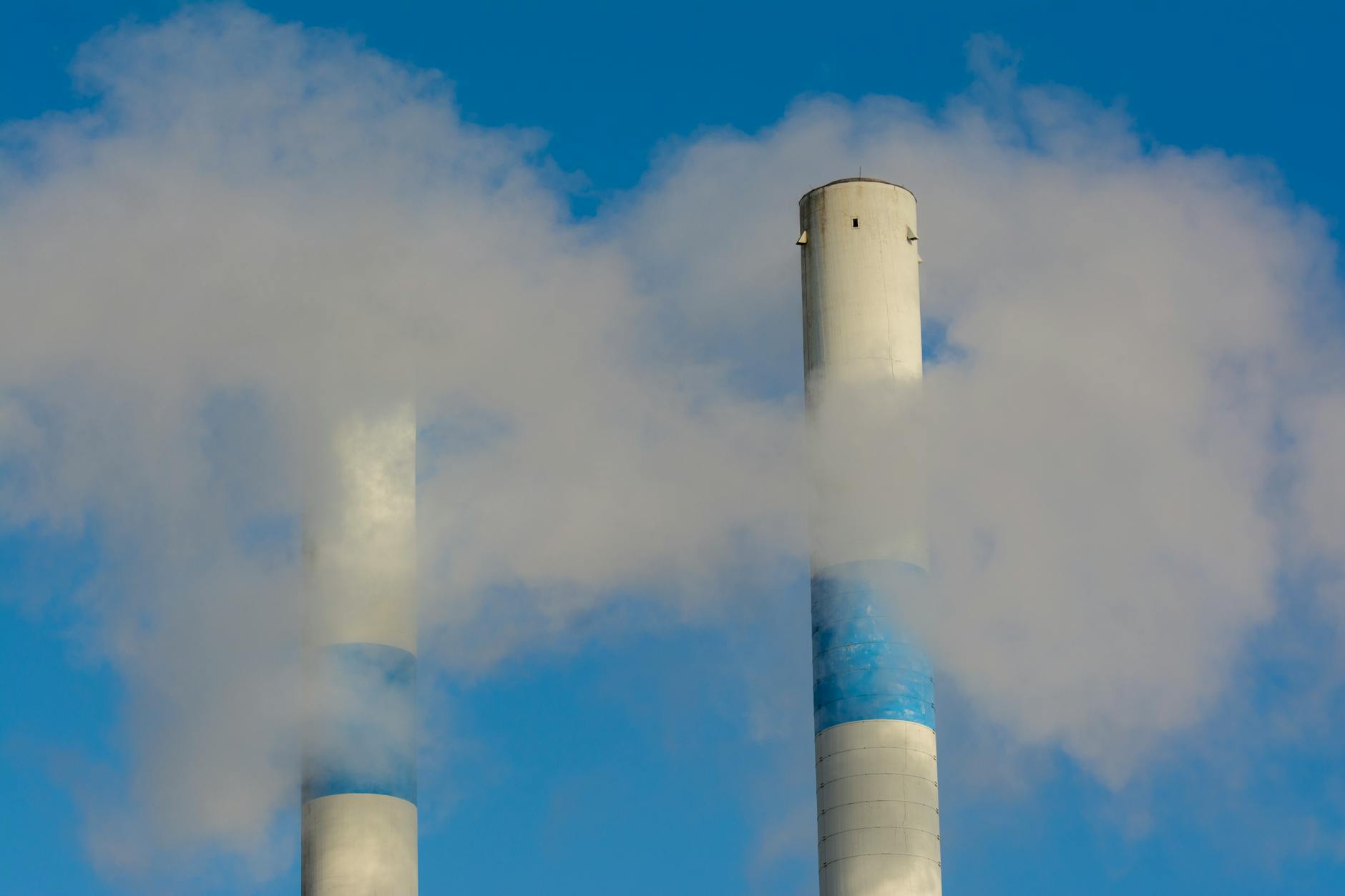
air pollution doesn’t simply irritate your lungs—it crosses the blood-brain barrier and triggers inflammation within the central nervous system itself. Fine particulate matter (PM2.5) and nitrogen dioxide (NO₂) are the primary culprits. These particles reach the alveoli in your lungs, enter the bloodstream, and travel directly to the brain where they initiate inflammatory cascades that damage neurons and impair synaptic connections. Black carbon, a component of particulate matter particularly prevalent in urban and industrial areas, shows the strongest association with both general dementia and Alzheimer’s disease specifically. The mechanism operates on a cellular level. Inhaled pollutants activate microglia—the brain’s immune cells—causing them to become chronically activated.
This sustained neuroinflammation accelerates the accumulation of amyloid-beta and tau proteins, the hallmarks of Alzheimer’s pathology. Studies tracking populations over decades have documented this progression, showing that individuals with long-term exposure to elevated pollution levels develop cognitive decline earlier and more severely than those in cleaner environments. The process is insidious because you don’t feel it happening; the damage accumulates silently. Research from Nature Communications tracking nearly 200,000 participants found that those exposed to higher levels of PM2.5 and NO₂ showed measurable reductions in brain volume in regions critical for memory and executive function. The limitation here is that most studies measure outdoor air pollution, yet we spend roughly 90% of our time indoors where indoor air quality can be even worse. Many people focus on outdoor air levels while ignoring dust, volatile organic compounds, and particulates in their own homes.
The Quantifiable Benefits of Cleaner Air
For every 10% reduction in PM2.5 exposure over a 10-year period, dementia risk drops by approximately 14%. In cities and regions where air quality has genuinely improved—such as Los Angeles following 1970s clean air legislation, or parts of Europe after stricter emissions standards—researchers have documented measurable decreases in dementia incidence. What’s remarkable is that the brain appears capable of partial recovery; you’re not locked into the damage already incurred. If you move from a high-pollution area to a cleaner environment, your dementia risk trajectory begins to improve, though the benefit accumulates gradually. Nitrogen dioxide reductions show an even more dramatic effect: a 10% reduction in NO₂ correlates with a 26% reduction in dementia risk. This makes sense given NO₂’s particularly potent neuroinflammatory properties.
In cities with aggressive traffic management—encouraging public transit, creating car-free zones, or implementing congestion pricing—researchers have observed both air quality improvements and corresponding decreases in neurodegenerative disease rates. However, there’s an important caveat: the studies demonstrating these benefits typically span decades, not months. The brain’s protective mechanisms and repair processes are slow. You won’t feel sharply better in three months of cleaner air, though your neural inflammation will begin to resolve. Additionally, the greatest protective benefit comes from reducing exposure across your entire lifespan, not just in later years. Someone who’s breathed poor air for 40 years cannot fully reverse that exposure by moving at age 65, though they still reduce their ongoing risk.
Why Air Pollution Affects Brain Health More Than Other Organ Systems
While air pollution harms the lungs, heart, and kidneys, the brain appears disproportionately vulnerable. This relates to both the brain’s energy demands—it consumes roughly 20% of your body’s oxygen despite comprising only 2% of body mass—and its limited regenerative capacity. Damage to lung tissue can be partially repaired throughout life; neuronal death is far more permanent. Once a neuron dies, it’s gone, which means the cumulative effect of pollution exposure creates an irreversible cognitive reserve deficit. The blood-brain barrier, which typically protects the brain from circulating toxins, becomes compromised by chronic inflammation.
This allows pollutants and inflammatory molecules easier access to neural tissue. A study published in the American Journal of Respiratory and Critical Care Medicine found that individuals with the poorest air quality exposure showed evidence of accelerated cognitive aging equivalent to approximately seven years of additional brain aging. Put differently: living for 20 years in highly polluted air might age your brain as much as living 27 years in clean air. Specific populations face amplified risk. Children developing in polluted environments show reduced cognitive development trajectories, and older adults with existing mild cognitive impairment decline faster when exposed to poor air. If you have a genetic predisposition to Alzheimer’s disease—carrying the APOE4 gene, for instance—air pollution exposure may accelerate disease onset by a decade or more.
Practical Actions to Reduce Your Air Pollution Exposure
Start with your immediate environment. Indoor air quality often exceeds outdoor pollution levels, particularly in homes with inadequate ventilation, gas stoves, or off-gassing materials. Installing a high-efficiency particulate air (HEPA) filter in your bedroom—where you spend a third of your life—can reduce your PM2.5 exposure by 50-80% during sleep. This single action may deliver more cumulative benefit than commuting along less-trafficked routes, simply due to the hours involved. Check your local air quality index (AQI) regularly through EPA.gov or AirNow.gov if you’re in the U.S. On days when the AQI exceeds 100 (unhealthy territory), shift exercise indoors, close windows, and consider wearing a properly fitted N95 mask during necessary outdoor time.
The tradeoff here is that while these measures reduce exposure, they’re somewhat inconvenient; they require daily monitoring and behavioral adjustment. However, they’re vastly simpler than treating dementia once it develops. Advocate for systemic change in your community. Cities that have invested in green spaces, maintained tree canopy coverage, improved public transit, and reduced vehicle idling show measurably better air quality and lower dementia rates. Individual actions matter, but they operate within a system. Living in a city with poor transportation planning forces you to breathe worse air regardless of personal precautions, whereas living in a city with systematic air quality improvements provides benefits to your entire population.
The Challenge of Cumulative Exposure and Vulnerable Populations
One rarely discussed limitation in air pollution research is the difficulty of isolating exposure. Most people don’t live in one consistent environment throughout their lives. You may have grown up in a rural area with clean air, moved to a polluted city for career opportunities in your 30s, then relocated again in retirement. How does the brain aggregate these different exposure histories? Current research suggests that recent and current exposure matters substantially, but prior decades of clean air don’t fully negate earlier damage. Communities with lower socioeconomic resources face disproportionate air pollution exposure.
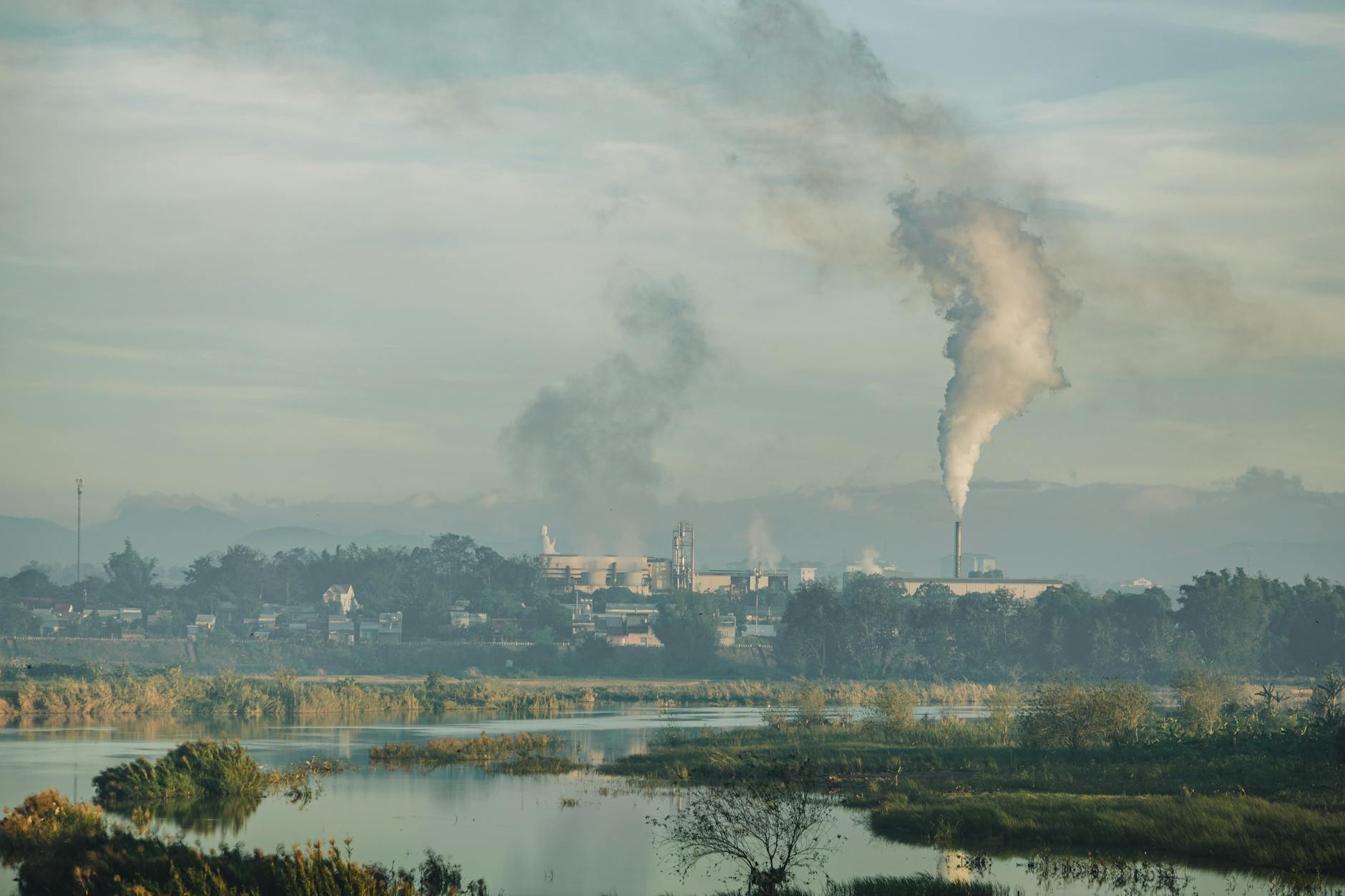
Industrial facilities, highways, and truck depots are more likely to be sited in lower-income neighborhoods, meaning some populations breathe systematically worse air throughout their lives without having chosen to live there. This creates a dementia risk inequality that individual action alone cannot solve. If you live adjacent to a highway, purchasing an air purifier helps, but it’s an insufficient response to a systemic injustice. Wildfire smoke presents an emerging challenge, particularly in western North America and increasingly in other regions. During severe fire seasons, outdoor air quality can exceed hazardous levels for weeks, and even indoor air quality suffers as smoke seeps through buildings. Climate change is extending fire seasons and increasing their severity, meaning more people will face extreme pollution events that no individual action can fully prevent.

The Role of Green Space and Active Transportation
Living near parks and green spaces independently reduces dementia risk, partly through stress reduction and cognitive engagement, but also through air quality improvement. Trees and vegetation naturally filter particulate matter, while green spaces reduce urban heat island effects that concentrate pollution. Neighborhoods with tree canopy coverage show PM2.5 concentrations 10-15% lower than treeless areas.
Building this into your habitat choice—prioritizing neighborhoods with significant green space even if housing is more expensive—may represent one of the most powerful long-term investments in brain health. Active transportation—walking and cycling—exposes you to pollutants during the activity but reduces your overall exposure by decreasing time spent in vehicles and near traffic. The net cognitive and cardiovascular benefit of cycling 30 minutes daily outweighs the pollution exposure from those 30 minutes, provided you’re not cycling directly behind heavy traffic during rush hour. Choose routes through parks and residential areas when feasible.
The Future of Air Pollution and Dementia Prevention
As climate change intensifies, air quality in many regions is expected to worsen. Ozone formation increases with heat, wildfires will expand, and shifting weather patterns will trap pollution in certain areas for longer periods. Yet conversely, increased public awareness of air pollution’s brain health effects may drive policy change.
Several countries have announced plans to achieve specific air quality targets, and electric vehicle adoption is reducing transport-related emissions. Some regions have seen air quality improvements for the first time in decades, demonstrating that change is possible. The ultimate protection requires both individual vigilance—monitoring air quality, filtering your immediate environment, and advocating for cleaner transportation—and systemic commitment to emissions reductions, green infrastructure, and equitable environmental protection. Your brain’s future depends on both the air you breathe and the air your community demands.
Conclusion
Reducing air pollution exposure deserves recognition as a foundational brain health habit, supported by robust evidence linking PM2.5, NO₂, and black carbon to accelerated cognitive decline and dementia risk. The 188,000 dementia cases annually attributable to PM2.5 in the United States alone represent a preventable public health crisis. With a 14% risk reduction possible for every 10% improvement in air quality, the potential benefit is substantial—far more impactful than many other modifiable dementia risk factors.
Your action plan should include three parallel components: optimizing your immediate environment through indoor air filtration, monitoring outdoor air quality and adjusting activity accordingly, and advocating for systemic improvements in your community’s transportation and land use policies. Unlike genetic risk factors you cannot change, air quality is fundamentally within human control. The dementia cases prevented through cleaner air represent lives preserved, cognitive independence maintained, and families spared from the profound burden of caring for a declining loved one. Your commitment to breathing better air today directly shapes your brain’s health decades from now.
You Might Also Like
- reducing loneliness is the Single Best Habit for Preventing Dementia
- reducing chronic stress is the Single Best Habit for Preventing Dementia
- yoga is the Single Best Habit for Preventing Dementia
For more, see CDC — Alzheimer’s and Dementia.