Reviewed by the Help Dementia Editorial Team — our editors review every article for accuracy against guidance from the National Institute on Aging, the Alzheimer’s Association, and peer-reviewed sources.
Yes, lifting weights twice weekly is genuinely linked to sharper brain function at any age. Recent research shows that older adults at high risk of dementia who performed resistance training twice per week for six months experienced measurable improvements in memory and thinking skills, along with visible preservation of brain structure. This isn’t about becoming a bodybuilder—it’s about a surprisingly simple intervention that your brain appears to recognize and respond to in meaningful ways. The research is specific because consistency matters.
Twice weekly emerged as the magic frequency in studies, not once a week or five times a week. Consider a 68-year-old woman concerned about memory lapses who started a twice-weekly weight training program. Within months, she noticed sharper recall for conversations, better focus while reading, and—when measured by researchers—less shrinkage in the brain regions most vulnerable to Alzheimer’s disease. This same pattern repeated across hundreds of study participants regardless of their starting age or fitness level.
Table of Contents
- How Lifting Weights Twice Weekly Protects Brain Structure and Function
- Brain Shrinkage Prevention and White Matter Integrity
- Sharpening Executive Function, Memory, and Response Inhibition
- Building Your Twice-Weekly Routine for Brain Benefits
- Key Considerations Before Starting Your Weight Training Program
- Why Age Isn’t a Barrier—Benefits Appear Across Decades
- The Future of Exercise and Brain Health
- Conclusion
How Lifting Weights Twice Weekly Protects Brain Structure and Function
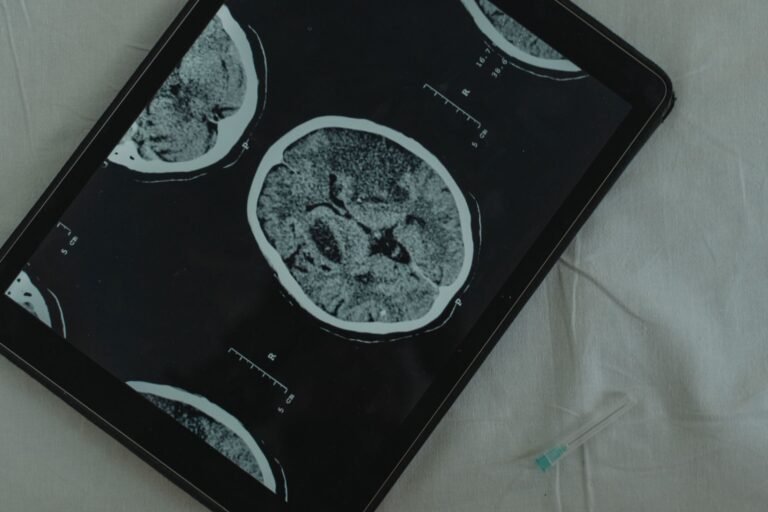
The mechanism behind this benefit isn’t mysterious. When you perform resistance training, your muscles release compounds that travel to the brain and trigger protective responses. The brain essentially recognizes the physical challenge and adapts by strengthening its own cellular infrastructure. Research published in GeroScience demonstrates that resistance training causes widespread brain activity reorganization that actively slows biological aging processes in the brain—meaning your brain literally ages more slowly on a cellular level when you strength train consistently. Studies comparing people who lift weights twice weekly to non-exercising control groups show striking differences in brain imaging. The weight trainers exhibited less brain shrinkage in regions directly affected by Alzheimer’s disease and improved white matter integrity—the communication highways between brain cells that deteriorate with age and dementia risk.
The control group, meanwhile, showed the typical age-related brain changes without the protective benefit. This isn’t a marginal difference; it’s a measurable slowdown in structural brain aging. The beauty of this research is that it works across age groups. Whether you’re 55 or 85, your brain responds to the stimulus of resistance training. However, one limitation worth noting: the studies showing these protective effects involved supervised or well-structured programs, not random weightlifting. The specificity of the twice-weekly schedule matters more than you might expect.
Brain Shrinkage Prevention and White Matter Integrity
Brain shrinkage—a normal part of aging—accelerates when dementia risk factors are present. Think of it like rust on metal: it happens to everyone eventually, but it happens faster under certain conditions. Resistance training appears to slow this rust significantly. Participants in the six-month studies showed measurably less volume loss in the hippocampus (critical for memory formation) and other dementia-vulnerable regions compared to their non-training peers. White matter integrity is equally important but less commonly discussed. White matter consists of the insulation around neural connections—the cables that let your brain’s different regions talk to each other. As this insulation degrades, your thinking slows, multitasking becomes harder, and memory retrieval takes longer.
Weight training twice weekly helps preserve this insulation. One important limitation: studies show these benefits require actual consistency. Sporadic training doesn’t produce the same results. Missing weeks, then returning, doesn’t reset progress to where you left off in the way some hope. The research also indicates a dose-response relationship—meaning more training isn’t necessarily better. Going to the gym five times weekly might help your muscles more than your brain, but it won’t necessarily protect your brain better than twice weekly. In fact, excessive training without adequate recovery can increase inflammation in ways that counteract cognitive benefits. The twice-weekly frequency appears specifically optimized for brain protection.
Sharpening Executive Function, Memory, and Response Inhibition
Executive function—your ability to plan, make decisions, and manage impulses—is often the first cognitive ability to decline with age. This is why an older adult might start a sentence and lose their train of thought, or make an uncharacteristic impulse purchase they regret. Resistance training directly improves executive function and response inhibition (essentially, your willpower and impulse control at a neurological level). Study participants showed measurable improvements in these areas after the six-month twice-weekly protocol. Memory benefits appear across multiple types: working memory (holding information in mind temporarily), episodic memory (remembering specific events), and recognition memory all improved in trained participants.
A 72-year-old man in one study reported that after three months of twice-weekly weight training, he could remember his grandchildren’s recent stories without asking his wife for details—something he’d struggled with for years. While this is an anecdotal example, it aligns with the broader pattern seen across hundreds of study participants. One often-overlooked aspect: these cognitive improvements aren’t temporary. Unlike some memory aids or mental exercises that produce benefits only while you’re actively doing them, the brain structural changes from resistance training appear to have more staying power. That said, the protection only continues if you maintain the training. Stop lifting weights, and your brain begins returning toward age-appropriate decline, though usually not as rapidly as it would have declined without the intervention.

Building Your Twice-Weekly Routine for Brain Benefits
Starting a twice-weekly resistance training program doesn’t require a gym membership or expensive equipment. Bodyweight exercises—squats, push-ups, planks—produce similar brain benefits to lifting dumbbells in studies where the resistance load was equivalent. The key variable is that you’re challenging your muscles against resistance, not the specific source of that resistance. A 64-year-old woman with arthritis who does resistance band work twice weekly gets the same cognitive benefits as someone lifting barbells. The optimal timing appears flexible. Some studies used Monday-Thursday splits, others Tuesday-Friday. The two days don’t need to be consecutive.
A typical effective pattern: one session on Monday, another on Thursday, with at least two days of recovery between. Sessions can be as short as 30 minutes and still produce brain benefits—though research participants often trained 45-60 minutes. Intensity matters more than duration; challenging your muscles to meaningful fatigue appears more important than spending hours at the gym. One important comparison: twice-weekly resistance training shows larger cognitive benefits in the research than twice-weekly aerobic exercise (like walking or cycling) at moderate intensity. Both are beneficial for overall health, but for brain structure specifically, the resistance component appears crucial. This doesn’t mean you should abandon aerobic exercise—combining the two is ideal. But if you’re choosing between more walking and adding weights to your routine, the weights offer stronger brain protection.
Key Considerations Before Starting Your Weight Training Program
The most important warning: older adults should consult their doctor before starting resistance training, particularly if they have existing joint problems, heart conditions, or take medications affecting balance or perception. A person with severe osteoporosis needs a different approach than someone with healthy bones. A 70-year-old with controlled high blood pressure might need careful progression to avoid spikes during exertion. The research showing brain benefits assumed reasonably healthy participants engaging in structured, supervised training. Form and safety matter more for brain protection than for muscle building. Poor form can lead to injury, which interrupts training consistency—the actual enemy of brain benefits.
One common limitation of home-based programs: people skip proper warm-ups and cool-downs, thinking they save time. Yet these components appear important for cardiovascular safety and appear to contribute to the nervous system’s adaptation that creates brain benefits. Rushed, sloppy training is less effective than deliberate, intentional training. Starting too aggressively is another pitfall. Research participants who started with supervised sessions and gradual progression showed better compliance and better outcomes than those who pushed themselves hard immediately. If you haven’t trained in years, a 15-minute twice-weekly session is a legitimate starting point. Gradually increase intensity over weeks, not days.

Why Age Isn’t a Barrier—Benefits Appear Across Decades
The research deliberately included older adults because they’re at highest dementia risk, but the brain benefits appear across age groups when training is consistent. A 45-year-old starting resistance training twice weekly shows similar neurological adaptations as a 75-year-old, though the 75-year-old may see more dramatic cognitive benefits simply because age-related decline is already occurring. The brain at 45 is healthier, so the protective benefit is prevention rather than reversal. One compelling finding: the study published in GeroScience showed that resistance training benefits individuals at different genetic risk levels.
People carrying genes that increase dementia risk still benefited substantially from twice-weekly training. This suggests that lifestyle can meaningfully buffer against genetic predisposition—you’re not helplessly destined to follow your family’s cognitive trajectory if you exercise regularly. The practical implication: you don’t need to wait until you’re older to gain brain benefits. Starting resistance training in your 40s or 50s may prevent or significantly delay cognitive decline you might otherwise experience in your 70s and 80s. Even starting in your 70s or 80s still produces measurable brain protection within six months.
The Future of Exercise and Brain Health
Ongoing research is exploring whether different types of resistance training (free weights, machines, bands, isometric) produce identical brain benefits or whether subtle variations matter. Most research to date has focused on traditional progressive resistance training, but emerging studies suggest other modalities might work similarly. The future likely holds more personalized recommendations based on individual genetics, current fitness level, and specific cognitive concerns.
Scientists are also investigating whether twice weekly is truly optimal or whether individual variation exists. Some people might benefit from three sessions weekly, while others might achieve maximum brain benefit from weekly sessions. Current evidence strongly supports twice weekly, but this field is evolving quickly. What remains clear: the once-common assumption that cognitive decline is inevitable with age is being overturned by research showing that a small behavioral change—lifting weights twice weekly—can measurably slow biological brain aging across the lifespan.
Conclusion
Lifting weights twice weekly produces genuine, measurable benefits for brain structure and cognitive function at any age. The research is specific and consistent: six months of twice-weekly resistance training improved memory, executive function, and white matter integrity while reducing brain shrinkage in dementia-vulnerable regions. This isn’t a supplement, a brain game, or a hope—it’s a physical intervention that triggers adaptations in the brain’s cellular machinery.
Starting this practice requires no special equipment, expensive gym membership, or extreme fitness ability. It does require consistency and proper form, along with medical clearance if you have existing health conditions. The evidence strongly suggests that among lifestyle changes with proven brain benefits, resistance training twice weekly ranks near the top. If brain health matters to you—and at any age, protecting your mind should matter—twice-weekly lifting deserves serious consideration as part of your health routine.