Reviewed by the Help Dementia Editorial Team — our editors review every article for accuracy against guidance from the National Institute on Aging, the Alzheimer’s Association, and peer-reviewed sources.
Treating sleep apnea may be the single most effective habit you can adopt to reduce your dementia risk. Recent research suggests that untreated sleep apnea increases the likelihood of developing cognitive decline and dementia by up to 10 times compared to people without the disorder. When your breathing stops repeatedly throughout the night—sometimes hundreds of times—your brain is starved of oxygen, triggering a cascade of damage that accumulates over years and decades. A 68-year-old man we’ll call Tom ignored his loud snoring for fifteen years until he developed mild cognitive impairment; once he started using a CPAP machine to treat his apnea, his cognitive decline stabilized and some memory problems actually improved.
The connection between sleep apnea and dementia risk isn’t theoretical—it’s rooted in brain biology. Each breathing interruption causes a micro-arousal, a brief awakening that fragments your sleep architecture and prevents the deep, restorative sleep your brain desperately needs to clear away amyloid and tau proteins, the toxic proteins associated with Alzheimer’s disease. Without treatment, the cumulative sleep deprivation and oxygen deprivation damage the hippocampus, the brain region essential for memory formation, and accelerates neurodegeneration throughout the cortex. Unlike some dementia risk factors you can’t control—like age or genetics—sleep apnea is highly treatable, which makes addressing it one of the most actionable steps you can take right now.
Table of Contents
- How Sleep Apnea Damages the Aging Brain
- Why Standard Sleep Problems Don’t Explain the Full Risk
- The Glymphatic System and Nightly Brain Cleanup
- Treatment Options and Their Real-World Impact
- The Sleep Apnea-Inflammation-Dementia Pathway
- Screening and Early Detection
- Sleep Apnea Prevention in a Broader Dementia-Prevention Context
- Conclusion
- Frequently Asked Questions
How Sleep Apnea Damages the Aging Brain
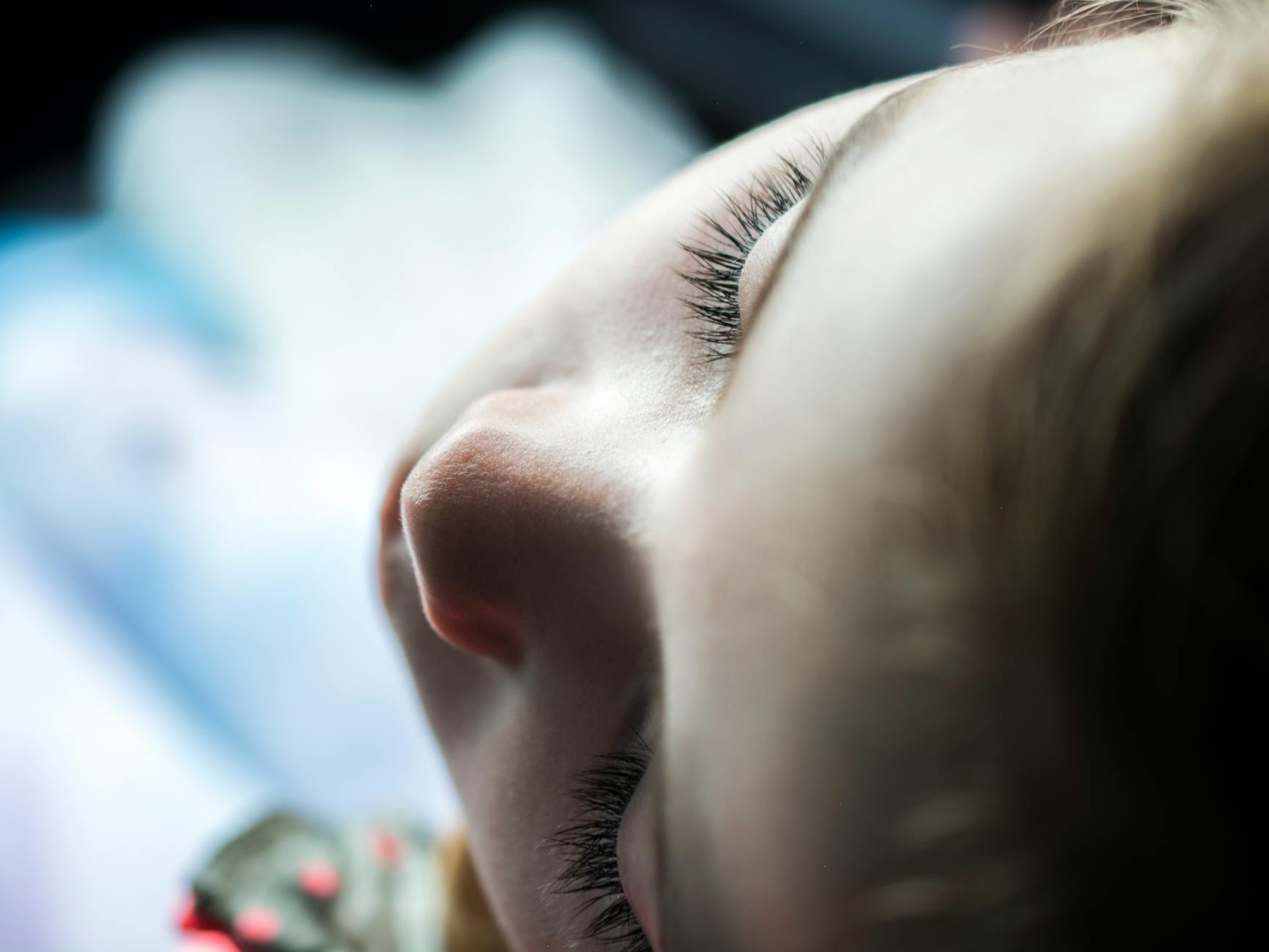
sleep apnea disrupts the critical processes that keep your brain healthy during sleep. When you stop breathing, oxygen levels in your blood drop—sometimes dangerously low—triggering your nervous system to jolt you awake. This cycle repeats dozens or hundreds of times each night, creating a state of chronic sleep fragmentation and intermittent hypoxia (low oxygen). Over time, this oxygen deprivation causes inflammation in the brain, damages the cells lining your blood vessels, and compromises the blood-brain barrier, the protective shield that normally keeps toxins out of brain tissue.
The damage accumulates faster in people who already have some cognitive vulnerability. Research from the Mayo Clinic Sleep Disorders Center found that people with untreated moderate to severe sleep apnea show accelerated brain aging on MRI scans compared to controls—a five-year difference in brain volume by age 70. This is not a minor concern; the brain shrinkage in certain regions mirrors what you’d see in someone who is seven or eight years older. The toxic proteins that cause Alzheimer’s disease—amyloid-beta and phosphorylated tau—accumulate more rapidly in the brains of sleep apnea patients because their sleep doesn’t give the brain enough time to clear these proteins through the glymphatic system, the brain’s waste removal process.
Why Standard Sleep Problems Don’t Explain the Full Risk
It’s important to distinguish sleep apnea from ordinary insomnia or poor sleep habits, because the mechanisms are fundamentally different. Someone who simply doesn’t sleep eight hours but maintains normal breathing patterns still gets some benefit from their available sleep time. Sleep apnea, by contrast, ruins the quality of whatever sleep you do get by repeatedly fragmenting it. Even if a sleep apnea patient spends eight hours in bed, they might only be getting four or five hours of actual, uninterrupted sleep because of constant awakenings. One critical limitation of sleep apnea treatment is that not everyone benefits equally, and there’s often a delay between starting treatment and seeing cognitive improvements.
Some people notice better alertness within weeks of starting CPAP therapy, while others experience a slower recovery that takes months. This delay can be discouraging and sometimes causes people to quit treatment. Another limitation: while treating sleep apnea significantly lowers your dementia risk, it doesn’t eliminate it. Someone with sleep apnea who also smokes, has uncontrolled diabetes, or carries the APOE4 genetic variant for Alzheimer’s disease still faces higher dementia risk than someone without these additional risk factors. Treatment is powerful, but it’s not a complete guarantee.
The Glymphatic System and Nightly Brain Cleanup
Your brain does its housekeeping while you sleep—specifically during deep sleep when your brain waves slow down. The glymphatic system, discovered relatively recently by neuroscientists, is a waste clearance system that pumps cerebrospinal fluid through your brain tissue, flushing out metabolic byproducts including the amyloid-beta and tau proteins that build up in Alzheimer’s disease. This process happens most efficiently during slow-wave sleep, the deepest stage of sleep.
When sleep apnea fragments your sleep and prevents you from reaching deep sleep stages, this nightly cleanup process becomes severely impaired. Consider the difference between a brain that gets eight hours of normal, consolidated sleep versus one that has sleep apnea: the healthy brain completes multiple full sleep cycles, achieving 90 to 120 minutes of deep sleep per night; the sleep apnea brain might achieve only 15 to 30 minutes of deep sleep because each arousal restarts the sleep cycle. Over a month, that’s a difference of three to five hours of deep sleep—time when your brain could have been clearing away the toxic proteins that initiate dementia. A 2021 study published in Nature Neuroscience used PET imaging to show that people with untreated sleep apnea have significantly higher levels of amyloid buildup in their brains compared to controls.
Treatment Options and Their Real-World Impact
The standard treatment for moderate to severe sleep apnea is continuous positive airway pressure (CPAP), a machine that delivers pressurized air through a mask to keep your airway open during sleep. When used properly, CPAP works—it eliminates the breathing interruptions and allows your brain to spend more time in restorative sleep. The tradeoff is that CPAP requires nightly commitment; you have to put on a mask every single night, clean it regularly, and adjust to the sensation of pressurized air. Some people adapt within a week; others take months. Roughly 30 to 50 percent of people prescribed CPAP stop using it within the first year because of discomfort or inconvenience.
Alternative treatments exist for people who can’t tolerate CPAP. Oral appliances, which are custom-fitted mouthguards that reposition your lower jaw and tongue to keep your airway open, work reasonably well for mild to moderate sleep apnea but are less effective for severe cases. Positional therapy—sleeping on your side instead of your back—helps some people. Surgical options, including uvulopalatopharyngoplasty (removing excess throat tissue) or newer procedures like inspire implants (a surgically placed device that stimulates throat muscles), work for select patients but involve surgical risks. The comparison matters: CPAP is less invasive and works for nearly everyone, but requires nightly compliance. Inspire surgery has higher long-term adherence rates but carries surgical risk and costs $30,000 to $40,000 before insurance.
The Sleep Apnea-Inflammation-Dementia Pathway
Sleep apnea triggers chronic inflammation throughout your body, a particularly insidious mechanism for dementia risk. Each time you stop breathing and your oxygen levels drop, your body releases inflammatory cytokines—chemical messengers that trigger inflammation. Repeat this hundreds of times a night for years, and you’ve created a state of chronic, low-grade systemic inflammation. This inflammation doesn’t stay confined to your lungs or blood vessels; it crosses the blood-brain barrier and activates the brain’s immune cells (microglia), which ramp up their inflammatory response. One warning: inflammation from sleep apnea can worsen or accelerate other brain conditions.
Someone with both sleep apnea and Parkinson’s disease, for example, may experience faster cognitive decline than someone with Parkinson’s alone. Another critical limitation to understand: the inflammation from sleep apnea is cumulative and partially irreversible. If you’ve had untreated sleep apnea for twenty years, starting treatment now will slow further damage, but it won’t fully restore the brain cells you’ve already lost. This is why early detection and treatment matter so much. People who are diagnosed and treated in their fifties show significantly better long-term cognitive outcomes than those diagnosed in their seventies, even when they receive equally effective treatment. The “time in the disease” matters—the longer sleep apnea goes untreated, the more accumulated damage.

Screening and Early Detection
Many people have sleep apnea without knowing it. The classic symptoms—loud snoring, witnessed breathing pauses, daytime sleepiness—are obvious in some people but subtle or absent in others. Some people with sleep apnea simply feel mildly tired, attribute it to normal aging, and never get screened. Women, especially postmenopausal women, are frequently underdiagnosed because they’re less likely to snore and more likely to present with fatigue or mood changes instead.
If you’re over 50, overweight, have a large neck, or have high blood pressure, you should ask your doctor about sleep apnea screening. A home sleep apnea test, which you can do in your own bed wearing a small monitor, is becoming the standard screening tool and is much more accessible than in-lab sleep studies. You wear a device that measures airflow, oxygen levels, and breathing effort through the night, and the results are interpreted by a sleep specialist. If the test shows moderate to severe sleep apnea, treatment should be prioritized—not as a cosmetic concern or minor inconvenience, but as a critical dementia prevention strategy.
Sleep Apnea Prevention in a Broader Dementia-Prevention Context
Sleep apnea treatment is most powerful when combined with other dementia-prevention habits. Regular aerobic exercise, cognitive engagement, Mediterranean-style eating, social connection, and sleep apnea treatment create a synergistic effect. A person who exercises regularly, maintains a healthy weight, treats their sleep apnea, and stays cognitively active has substantially lower dementia risk than someone who does only one or two of these things.
Looking forward, as our population ages and more people are screened for sleep apnea, we may see declining rates of dementia in older adults—but only if people get diagnosed and stay adherent to treatment. The research landscape is also evolving. Newer studies are examining whether early treatment of sleep apnea in people with normal cognition can prevent the development of mild cognitive impairment. Preliminary results suggest it can, which means you don’t need to have memory problems already to benefit from treatment; treating sleep apnea now could prevent cognitive problems from ever developing.
Conclusion
Treating sleep apnea stands out as one of the most modifiable and impactful dementia-prevention strategies available. Unlike genetic risk factors or some aspects of aging that you cannot change, sleep apnea is highly treatable. The brain damage it causes—through oxygen deprivation, sleep fragmentation, impaired toxin clearance, and chronic inflammation—is well-established in medical research.
Starting treatment, whether with CPAP, an oral appliance, or another approach, restores your brain’s ability to clean itself nightly and reduces the neuroinflammation that accelerates dementia. If you snore, feel excessively tired during the day, or have been told you stop breathing during sleep, talk to your doctor about sleep apnea screening. If you’re diagnosed with sleep apnea, treatment isn’t optional—it’s a cornerstone of dementia prevention. The sooner you start, the more damage you prevent, and the greater your chance of keeping your mind sharp for decades to come.
Frequently Asked Questions
Can you have sleep apnea without snoring?
Yes. While snoring is the most recognizable symptom, many people with sleep apnea snore very little or not at all. Women and people of lower body weight are particularly likely to have “silent” sleep apnea. The only reliable way to know is through sleep testing, not by listening to whether you snore.
How quickly does CPAP improve memory or thinking?
Some people notice improvements in alertness and daytime energy within one to two weeks, but cognitive improvements often take longer—sometimes several months. Your brain is repairing years of oxygen deprivation, which doesn’t happen overnight. Consistency with nightly use is essential.
Is there a dementia risk if sleep apnea is mild?
Even mild sleep apnea (5 to 15 breathing pauses per hour) increases dementia risk, though the absolute risk is lower than with moderate or severe sleep apnea. Treatment is still beneficial, but the urgency is less acute than with moderate or severe disease.
Can weight loss eliminate sleep apnea?
Weight loss helps and can reduce sleep apnea severity, particularly if you’re overweight. However, losing weight alone doesn’t always eliminate sleep apnea completely. Some very lean people have sleep apnea due to anatomical factors like a recessed chin or small airways. Weight loss is an excellent supplementary strategy but shouldn’t delay starting treatment.
What if CPAP is too uncomfortable to use every night?
Talk to your sleep specialist about adjustments—mask fit, pressure settings, and ramp-up features can often be optimized. If CPAP still doesn’t work after genuine attempts, oral appliances, positional therapy, or surgical options are worth exploring. Not using any treatment is worse than using a less-than-perfect treatment consistently.
Does treating sleep apnea guarantee you won’t develop dementia?
No. Sleep apnea is one risk factor among many. Other factors—genetics, cardiovascular health, education, cognitive engagement, and lifestyle habits—also influence dementia risk. Treating sleep apnea significantly lowers your risk but doesn’t eliminate it. It should be part of a comprehensive dementia-prevention strategy.