Reviewed by the Help Dementia Editorial Team — our editors review every article for accuracy against guidance from the National Institute on Aging, the Alzheimer’s Association, and peer-reviewed sources.
Attending religious sits at the center of this dementia and brain health question.
Research increasingly suggests that regular attendance at religious services may be among the most powerful habits for protecting against dementia and cognitive decline. Multiple large-scale studies have found that people who attend religious services weekly show significantly lower rates of cognitive impairment and dementia compared to those who attend rarely or never. For example, a study tracking over 5,000 older adults found that those attending religious services at least once a week had a 36% lower risk of developing dementia over a seven-year period than those who never attended. The protective mechanism extends beyond simple social connection.
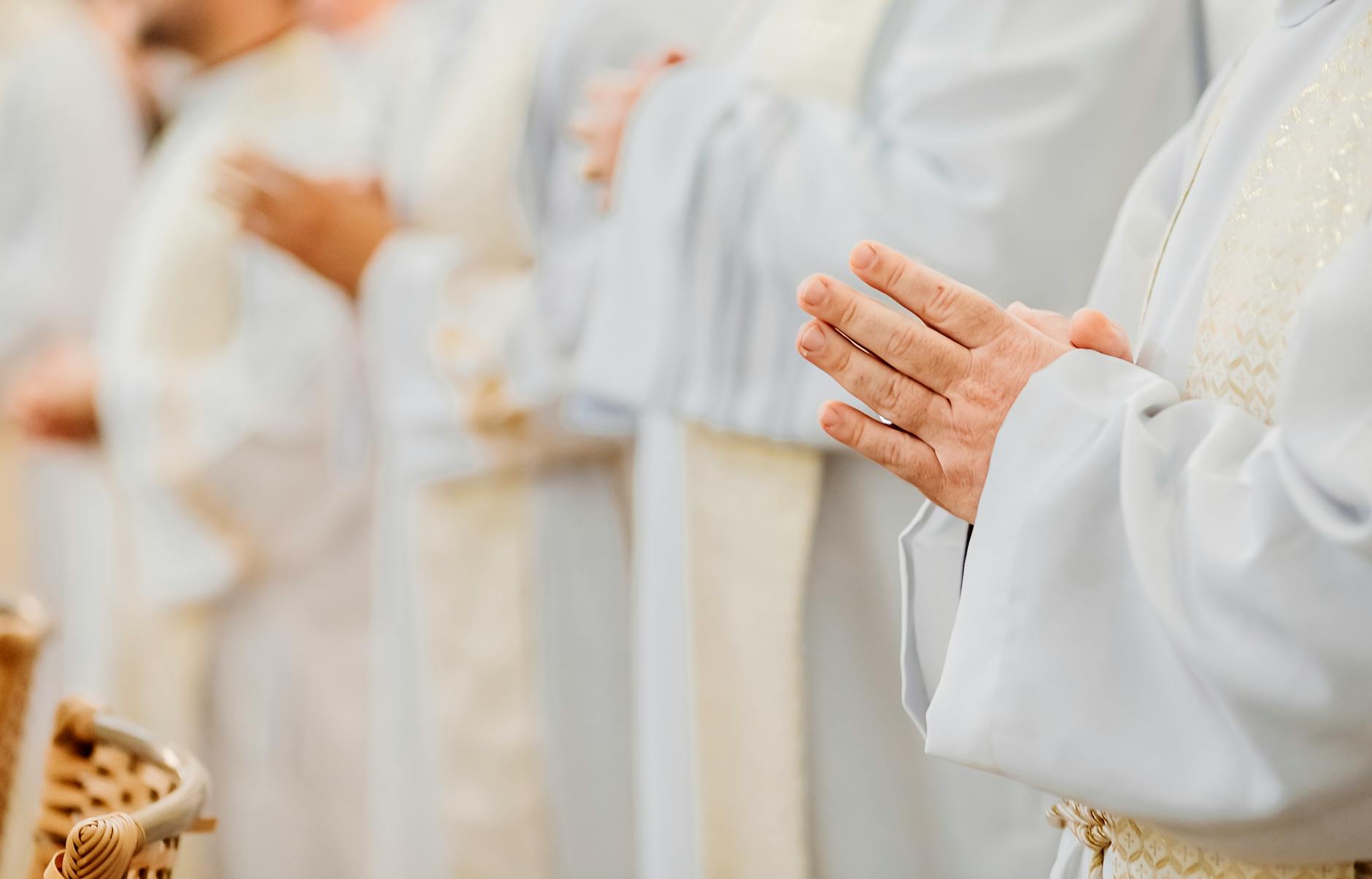
Religious service attendance combines several evidence-backed elements—structured cognitive engagement through scripture and singing, regular social interaction with a community, spiritual meaning and purpose, and often physical activity—into one integrated practice. This convergence of protective factors appears to have a cumulative effect on brain health and cognitive resilience. It’s important to note that this benefit applies across different faiths and denominations, suggesting the protection comes from the overall structure and practice rather than any specific theological belief. The effect is robust enough that some gerontologists now discuss it as one of the most accessible and cost-free interventions available for dementia prevention.
Table of Contents
- How Does Religious Service Attendance Shield the Brain from Cognitive Decline?
- The Role of Purpose, Meaning, and Neurological Health in Dementia Prevention
- The Cognitive Reserve Advantage from Ritual and Memory Practice
- Social Connection, Loneliness, and Brain Health—What the Research Shows
- Individual Variation and the Importance of Authentic Engagement
- Combining Religious Practice with Other Protective Habits
- The Future of Religious Practice and Brain Health in a Secular Context
- Conclusion
How Does Religious Service Attendance Shield the Brain from Cognitive Decline?
The brain benefits from religious service attendance through multiple overlapping pathways. First, the cognitive demands of religious practice—remembering prayers, singing familiar hymns, following sermons, and engaging with complex theological concepts—provide consistent mental stimulation. This type of structured cognitive exercise appears to build cognitive reserve, the brain’s ability to compensate for aging and damage by reorganizing neural networks and developing new connections. Second, the social component of religious gatherings triggers measurable changes in stress hormones and immune function.
Loneliness and social isolation are now recognized as risk factors for dementia comparable to smoking or hypertension. A person attending services weekly engages in face-to-face conversation, cooperative singing, and shared ritual—all activities that activate regions of the brain associated with empathy, memory, and social processing. Consider the difference between watching a sermon online (cognitive stimulation alone) versus attending in person: the latter includes sensory engagement, physical presence with others, and the subtle cues of in-person community that trigger deeper neurological responses. Religious practice also appears to influence brain structure itself. Some research suggests that regular practice may increase gray matter volume in regions associated with attention, learning, and memory processing, changes not consistently seen in those without such regular engagement.
The Role of Purpose, Meaning, and Neurological Health in Dementia Prevention
The spiritual and existential dimensions of religious practice contribute distinct neurological benefits. Individuals who report a strong sense of meaning and purpose show different patterns of brain aging than those without such meaning, including slower cognitive decline. religious services provide an explicit framework for meaning—connection to something larger than oneself, transcendent purpose, and belonging to a community with shared values. This sense of purpose appears to buffer against the neuroinflammation and stress responses that accelerate cognitive aging.
chronic stress and negative emotional states trigger sustained inflammation in the brain, which damages the connections between neurons and accelerates the accumulation of amyloid and tau proteins—hallmarks of Alzheimer’s disease. Religious practice, through meditation, prayer, and communal support, may downregulate these inflammatory pathways. However, it’s crucial to acknowledge a limitation: the protective benefit appears strongest for those who experience genuine community and meaning in their religious practice, not merely nominal attendance. Someone attending services out of obligation or habit, without engagement or community connection, may not receive the same cognitive protection. Additionally, in cases where religious environments are psychologically harmful or produce chronic stress, the effect would likely reverse.
The Cognitive Reserve Advantage from Ritual and Memory Practice
Religious traditions rely heavily on memory and mental practice in ways secular life often does not. Members learn extensive passages of text, recall the order of rituals, remember community members’ names and life circumstances, and engage in complex reasoning about theological or ethical questions. This consistent, purposeful mental exercise builds what researchers call cognitive reserve—essentially, a functional buffer against neurodegeneration. A person who has attended the same service every week for twenty years, learning the liturgy, remembering fellow congregants across decades, and engaging with the moral teachings, develops dense neural pathways around memory, attention, and social processing.
When aging or early disease begins to damage these networks, the redundancy built through years of cognitive engagement allows the brain to reroute function through alternative pathways. In contrast, someone with minimal cognitive engagement in their daily life may have fewer such alternative routes available. The ritual aspect specifically deserves attention. Rituals are deeply encoded in memory and require active participation—standing at certain moments, singing in unison, following a familiar sequence. This combination of motor memory, social synchronization, and predictable structure appears particularly beneficial for maintaining executive function and attention in aging brains.

Social Connection, Loneliness, and Brain Health—What the Research Shows
While cognitive stimulation and purpose matter, the social benefits of religious service attendance may ultimately be the largest protective factor. Loneliness is now established as a risk factor for dementia equivalent in magnitude to diabetes or hypertension. Regular attendance at services provides built-in weekly social contact, often supplemented by additional community events, meals, volunteer opportunities, and informal visiting among members. A practical comparison illustrates the tradeoff: an older adult who stays home and does crossword puzzles online gains some cognitive stimulation, but without the emotional regulation, stress reduction, and social reinforcement that comes from in-person community.
The person attending services weekly gains cognitive engagement plus stress-buffering social support plus purposefulness—a combination that isolated cognitive exercise cannot fully replicate. The attendance also tends to be consistent and structured; whereas an individual might skip online puzzles on a difficult day, the weekly service provides external motivation and social accountability. However, the mechanism requires actual participation and relationship-building. Someone who attends services but remains isolated within them—sitting alone, not engaging with others—receives less benefit than someone who participates in post-service coffee hours, joins small groups, or builds genuine friendships.
Individual Variation and the Importance of Authentic Engagement
Research shows compelling average effects across populations, but individual variation is substantial. Some people receive extraordinary protection from religious community because they find it deeply meaningful; others attend regularly but feel like outsiders and receive minimal protection. The variable that appears to matter most is not attendance itself but genuine engagement and sense of belonging. Additionally, the type and frequency of attendance matter. Studies showing the strongest protective effects typically measure weekly or more frequent attendance.
Someone attending services once or twice yearly receives minimal cognitive and social benefit from the practice. The benefit appears to require sufficient regularity that the brain can build lasting cognitive patterns and real social bonds can form—generally weekly attendance or more. A warning also applies to those in religious environments marked by conflict, abuse, or severe stress. For a minority of people, religious community produces anxiety or trauma rather than comfort and meaning. In such cases, the stress from attendance would likely outweigh any protective benefits, and alternative sources of community, cognitive engagement, and purpose would be preferable.

Combining Religious Practice with Other Protective Habits
Religious service attendance appears most powerful when combined with other evidence-backed dementia prevention practices. Regular physical exercise, cognitive engagement, management of cardiovascular risk factors, adequate sleep, and healthy diet are all established protective factors.
Someone who attends services weekly but is sedentary, cognitively isolated otherwise, and has uncontrolled hypertension receives some benefit but not the full protection possible. For instance, an older adult who attends services, joins the church choir (adding musical cognitive engagement and breathing exercise), volunteers in the religious community (additional purpose and social engagement), maintains a regular exercise routine, and manages health conditions achieves a substantially lower dementia risk than someone who only attends services. The combination creates redundancy and multiple protective pathways.
The Future of Religious Practice and Brain Health in a Secular Context
As religious participation continues to decline in many Western countries, understanding the cognitive and health benefits becomes increasingly important for public health. While religious services clearly provide protective effects, the underlying mechanisms—social connection, cognitive engagement, purposefulness, stress reduction—can theoretically be accessed through secular means as well. However, the evidence suggests that well-established religious communities currently provide these elements more consistently and with greater depth than most secular alternatives.
Looking forward, this research may reshape how we approach dementia prevention and brain health in aging populations. Rather than viewing religious participation primarily through a theological or social lens, public health professionals increasingly recognize it as a significant modifiable risk factor for cognitive health. For older adults seeking to protect their cognitive function, particularly those without other strong sources of community and purpose, regular religious service attendance represents one of the most accessible, cost-free, and evidence-supported interventions available.
Conclusion
The evidence supporting religious service attendance as a protective factor against dementia is substantial and comes from multiple large studies across different populations and faiths. The protection appears to work through several interrelated mechanisms: cognitive stimulation through ritual and learning, stress reduction through spiritual meaning and community support, social connection that buffers against loneliness, and a sense of purpose that slows cognitive aging.
For anyone concerned about dementia prevention—whether for themselves or an aging loved one—regular religious service attendance, combined with physical exercise, cognitive engagement, and cardiovascular health management, represents a powerful and accessible strategy. The key is genuine engagement and community building rather than nominal attendance; the social and cognitive benefits emerge from active, ongoing participation in a faith community.
You Might Also Like
- yoga is the Single Best Habit for Preventing Dementia
- walking 30 minutes daily is the Single Best Habit for Preventing Dementia
- volunteering is the Single Best Habit for Preventing Dementia
For more, see CDC — Alzheimer’s and Dementia.