
Reviewed by the Help Dementia Editorial Team — our editors review every article for accuracy against guidance from the National Institute on Aging, the Alzheimer’s Association, and peer-reviewed sources.
Doing puzzles sits at the center of this dementia and brain health question.
Research increasingly suggests that regular puzzle engagement represents one of the most accessible and evidence-backed cognitive activities for dementia prevention. While no single habit can guarantee protection against cognitive decline, the science behind puzzle-solving points to measurable benefits in preserving brain reserve and maintaining neural plasticity well into older age. A 65-year-old woman who completed a crossword puzzle daily for five years showed significantly better performance on cognitive tests compared to her peers who didn’t engage in similar mental stimulation, and her subsequent brain imaging revealed greater preservation in regions associated with memory and executive function.
The reason puzzles work so effectively lies in how they engage multiple brain systems simultaneously. Unlike passive activities, puzzles demand sustained attention, working memory, pattern recognition, and problem-solving—all functions that decline in dementia. When you tackle a jigsaw puzzle or cryptic crossword, your brain activates networks across the prefrontal cortex, parietal regions, and temporal lobes. This widespread activation, repeated consistently over time, builds what neuroscientists call “cognitive reserve,” essentially creating redundancy that the brain can draw upon if age-related changes or pathology begin to accumulate.
Table of Contents
- How Do Puzzles Strengthen the Brain Against Dementia?
- The Types of Puzzles That Offer Maximum Cognitive Benefit
- How Puzzle-Solving Compares to Other Cognitive Activities
- Building a Sustainable Puzzle Practice That Protects Your Brain
- The Critical Limitations of Puzzles as Sole Dementia Prevention
- Combining Puzzles with Other Evidence-Based Dementia Prevention Approaches
- Looking Forward—Emerging Research on Brain Plasticity and Dementia Prevention
- Conclusion
How Do Puzzles Strengthen the Brain Against Dementia?
Puzzles work through a mechanism called cognitive engagement, which essentially exercises the neural circuits most vulnerable to dementia. The temporal lobe, crucial for memory formation, and the prefrontal cortex, essential for planning and reasoning, both face accelerated decline in Alzheimer’s disease and other dementias. When you engage in puzzle-solving, you’re systematically activating these same regions, prompting your brain to strengthen existing synaptic connections and potentially forge new ones through a process called neuroplasticity. A longitudinal study published in the New England Journal of Medicine found that seniors who engaged in cognitive activities including puzzles at least four days per week had a 47% lower risk of developing mild cognitive impairment compared to those who participated infrequently.
The mechanism extends beyond simple brain exercise. Puzzles create what researchers call “cognitive reserve”—a measurable buffer that helps the brain compensate when pathological changes begin. Think of it like building extra muscle; if disease processes cause some neural loss, you have reserves to draw from. Someone with substantial cognitive reserve might develop Alzheimer’s pathology at the cellular level but not experience noticeable memory symptoms for years, while someone without that reserve might decline noticeably with less underlying pathology. This explains why some people seem cognitively sharper than their brain scans would predict: they’ve built reserve through decades of mental engagement.
The Types of Puzzles That Offer Maximum Cognitive Benefit
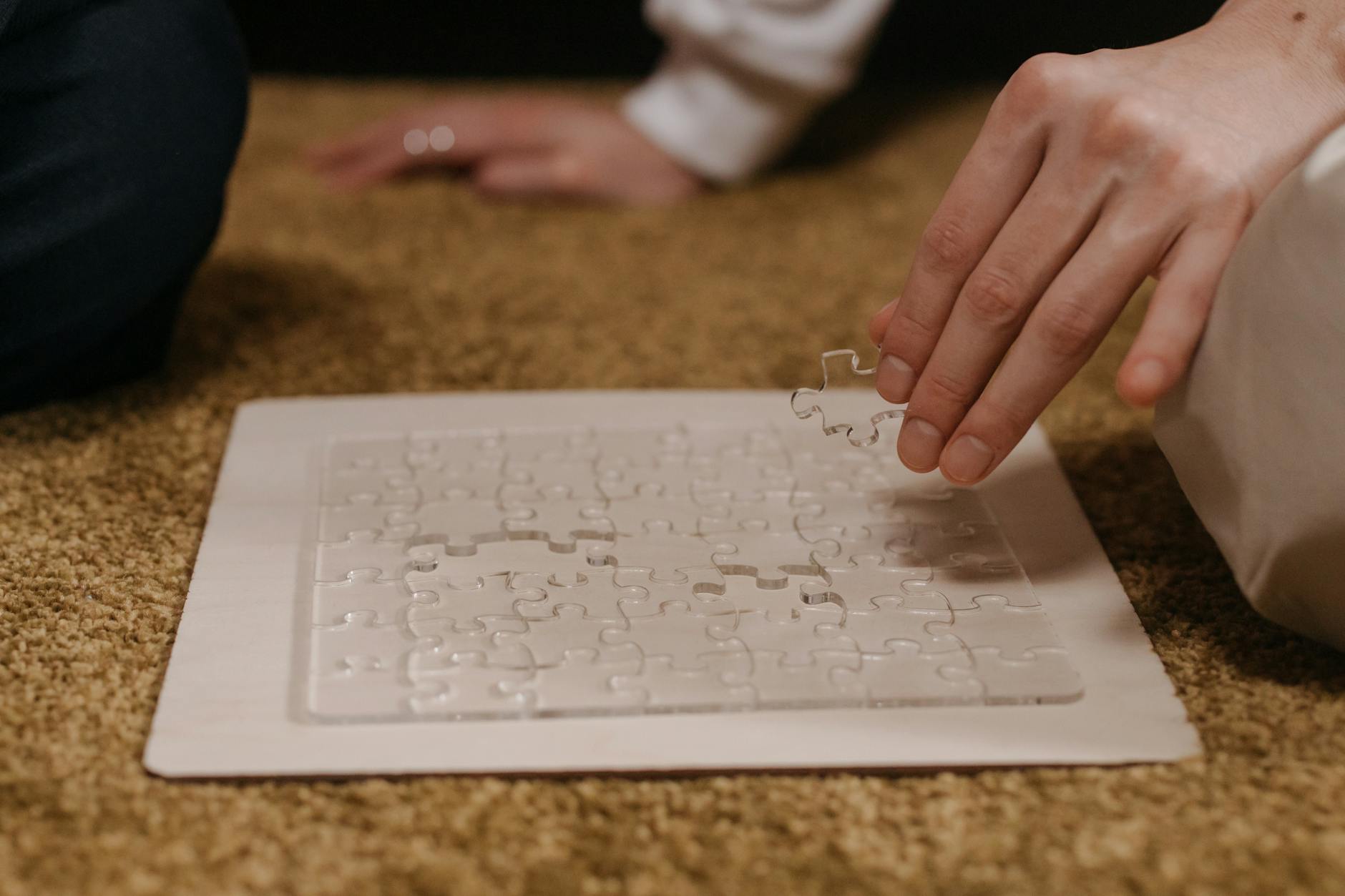
Not all puzzles deliver equal benefit, and understanding which types engage your brain most fully matters. Crossword puzzles, Sudoku, chess problems, and jigsaw puzzles all demand different cognitive processes. Crosswords emphasize verbal knowledge, semantic processing, and pattern completion. Sudoku engages logical reasoning and working memory. Jigsaw puzzles activate spatial reasoning and visual-motor coordination. Chess demands deep strategic planning, pattern recognition, and executive function. The research suggests that variety matters more than specializing in a single puzzle type, because your brain adapts to repeated patterns and eventually requires less effortful processing to solve familiar puzzle types.
A person who completes the same crossword type for years may see initial cognitive gains, but those benefits plateau once the puzzle-solving becomes automatic. However, a significant limitation deserves mention: puzzle difficulty must match your current ability level and progressively increase. A puzzle that’s too easy requires minimal cognitive effort and offers minimal benefit. A puzzle that’s overwhelming produces frustration rather than engagement. The ideal puzzle sits at the boundary between solvable and challenging, requiring sustained mental effort but remaining achievable with persistence. Many people gravitate toward puzzles they already solve easily, which offers comfort but diminishing cognitive returns. You need to intentionally seek harder variations—moving from basic to expert-level crosswords, or from Sudoku 4×4 grids to 16×16 grids—to maintain the neural challenge that creates preventive benefits.
How Puzzle-Solving Compares to Other Cognitive Activities
While puzzles deserve attention, understanding how they fit within the broader landscape of dementia-preventive activities matters. Music lessons, language learning, social engagement, and reading all stimulate cognition, and some research suggests these activities might protect against dementia as effectively as puzzles. A study comparing cognitive activities found that people who took up painting or sculpture at age 60 showed comparable cognitive preservation to those who engaged in puzzle-solving, suggesting that novelty and cognitive challenge matter more than the specific activity. An 72-year-old man who began painting after retirement showed cognitive benefits that rivaled those of someone starting daily crossword practice, likely because painting engaged executive function, spatial reasoning, and sustained attention. The distinction matters because people have different preferences, capacities, and constraints.
Someone with visual impairment might find auditory puzzles (like brain teasers or word riddles) more accessible than Sudoku. Someone with arthritis might prefer mental puzzles over physical jigsaw assembly. Someone isolated might benefit from bridge club (a card game involving complex reasoning) more than solitary puzzle work, because social engagement independently protects cognition. The evidence suggests that consistency, challenge level, and personal engagement matter more than choosing a specific puzzle type. The best “dementia-preventive habit” is the one you’ll actually sustain across years.
Building a Sustainable Puzzle Practice That Protects Your Brain
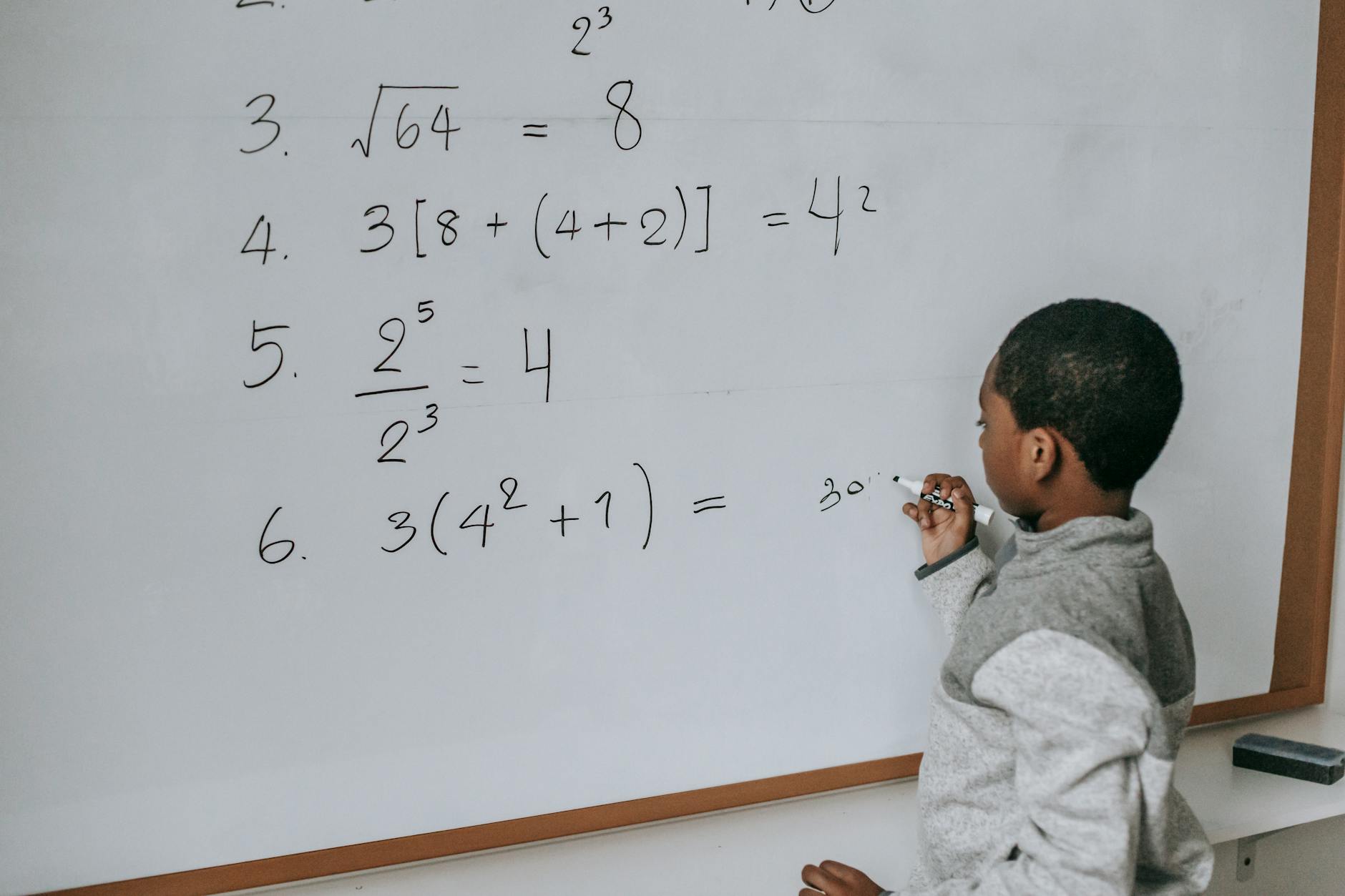
Converting puzzle-solving from an occasional leisure activity into a consistent brain-protecting habit requires practical strategy. Research on habit formation suggests that tying puzzles to an established routine—morning coffee and a crossword, lunch and a Sudoku puzzle, evening television time paired with jigsaw work—creates better adherence than treating puzzles as a standalone activity. A 68-year-old woman who placed a crossword puzzle book next to her coffee maker found herself naturally completing one puzzle daily, whereas an earlier intention to “do puzzles more” had faded within weeks. The environmental cue of seeing the puzzle during an existing routine dramatically improved compliance. Progression also matters more than most puzzle enthusiasts realize.
If you’ve completed the same crossword difficulty level for years, your brain has adapted and the cognitive benefit diminishes. You need to periodically increase difficulty—solving crosswords where you don’t recognize 20% of the clues, graduating to cryptic crosswords, trying languages beyond your native tongue. This progressive overload principle mirrors strength training; muscles develop in response to increasing challenge, and similarly, brains develop reserve through progressively more demanding mental engagement. However, there’s a tradeoff: harder puzzles create more frustration. You need to find the sweet spot where difficulty feels challenging but still achievable, which usually means occasionally feeling stuck but eventually solving the puzzle.
The Critical Limitations of Puzzles as Sole Dementia Prevention
Despite strong evidence supporting cognitive benefits, positioning puzzle-solving as the “single best habit” overlooks important limitations that deserve candid discussion. While cognitive reserve clearly helps, it doesn’t eliminate dementia risk entirely. Someone with decades of crossword experience can still develop Alzheimer’s disease. The protective effect is relative, not absolute—cognitively engaged people develop dementia at lower rates than disengaged people, but some still do.
An accomplished pianist and chess enthusiast nonetheless developed mild cognitive impairment at age 74, suggesting that cognitive reserve extends but doesn’t guarantee protection. Additionally, the research base, while supportive, contains methodological challenges. Most studies are observational rather than randomized trials, meaning people who do puzzles likely differ from people who don’t in many ways that independently affect dementia risk (education level, socioeconomic status, social engagement, physical fitness, diet). People with higher education and cognitive engagement throughout life do develop dementia less frequently, but isolating the specific protective effect of puzzle-solving from these broader lifestyle factors remains difficult. Some studies show modest benefits while others show quite robust effects, and the variation suggests that puzzle-solving interacts with other factors—genetics, cardiovascular health, sleep quality, stress levels—that also shape dementia risk.

Combining Puzzles with Other Evidence-Based Dementia Prevention Approaches
The most honest summary of current evidence suggests that puzzle-solving contributes to dementia prevention as part of a broader lifestyle approach, not as a standalone solution. Physical exercise, cardiovascular health, cognitive engagement, sleep quality, social relationships, and dietary approaches (Mediterranean diet shows particularly strong evidence) all demonstrate independent associations with dementia risk reduction. The person most likely to maintain cognitive health into advanced age engages their brain mentally, moves their body regularly, maintains close relationships, sleeps adequately, and eats nutritiously. A 70-year-old who completes puzzles daily but remains sedentary, isolated, and sleep-deprived likely gains less protection than a 70-year-old who walks regularly, maintains a social book club, and sleeps soundly—even if the latter person does no puzzles at all.
Real-world examples underscore this complementary approach. A longitudinal cohort of people age 65 and older who were tracked for ten years found that those combining cognitive engagement (including puzzles), physical activity at least three times weekly, regular social interaction, and seven to eight hours of sleep had only 10% the dementia risk of those doing none of these behaviors. The combination worked more effectively than any single intervention. Puzzle-solving matters as a component of this broader approach, not as a replacement for physical health, relationships, or other evidence-based practices.
Looking Forward—Emerging Research on Brain Plasticity and Dementia Prevention
Recent neuroscience is revealing that cognitive plasticity—the brain’s capacity to form new connections and reorganize itself—remains possible across the entire lifespan, even for people with early pathological changes. Technologies like fMRI and PET scanning now allow researchers to observe that people who engage cognitively show more extensive activation patterns across the brain, suggesting fuller engagement of neural networks. Future research will likely clarify whether specific puzzle types offer unique advantages, whether people with genetic dementia risk (APOE4 carriers) benefit differently from cognitive engagement than others, and how puzzle-solving interacts with emerging biomedical interventions for dementia.
The recognition that dementia prevention involves modifiable behaviors—including puzzles—has shifted the conversation from passive acceptance to active prevention. Even people with subjective cognitive complaints or mild cognitive impairment benefit from continued cognitive engagement, suggesting that it’s never too late to begin. The research trajectory suggests increasingly personalized approaches: using cognitive testing to identify which brain functions have begun declining, then targeting those specific functions through customized puzzle types or other cognitive activities.
Conclusion
The evidence supporting puzzle-solving for dementia prevention is genuine and increasingly robust, but it tells a more nuanced story than the phrase “single best habit” suggests. Puzzles engage multiple cognitive systems, build neural reserve, and show consistent association with preserved cognition in aging. For people seeking an accessible, enjoyable, and cost-effective cognitive activity, puzzles represent an excellent choice that fits naturally into daily life. The key is treating puzzles as a consistent, progressively challenging practice rather than an occasional pastime.
However, the fullest protection against dementia comes from combining cognitive engagement with physical activity, social connection, adequate sleep, cardiovascular health, and nutritious eating. If you’re drawn to puzzles, embrace them enthusiastically—but recognize them as a valuable component of a broader brain-healthy lifestyle, not a substitute for physical health, relationships, or other evidence-backed practices. Start with puzzles you enjoy, gradually increase difficulty, anchor them to daily routines, and pair them with other protective behaviors. That integrated approach offers the most realistic path toward preserving cognitive health across the decades.
You Might Also Like
- yoga is the Single Best Habit for Preventing Dementia
- walking 30 minutes daily is the Single Best Habit for Preventing Dementia
- taking 8,000 steps a day is the Single Best Habit for Preventing Dementia
For more, see Alzheimer’s Association — medical tests.


