Reviewed by the Help Dementia Editorial Team — our editors review every article for accuracy against guidance from the National Institute on Aging, the Alzheimer’s Association, and peer-reviewed sources.
Combining staying sits at the center of this dementia and brain health question.
Research increasingly shows that two manageable factors—maintaining an optimistic outlook and keeping blood sugar stable—work together to significantly lower dementia risk. A person who maintains good emotional resilience and stable glucose levels has substantially better odds of protecting cognitive function as they age compared to someone with elevated blood sugar and chronic stress or depression. For example, studies tracking older adults over a decade found that those who combined good glucose control with positive emotional health reduced their dementia risk by roughly 40-50%, compared to people with both poor glucose management and pessimistic thinking patterns.
The connection isn’t coincidental. Chronic high blood sugar damages blood vessels throughout the brain, reducing oxygen and nutrient delivery to neurons. At the same time, persistent stress and negative emotions trigger inflammatory responses that accelerate cognitive decline. When you address both problems simultaneously—through glucose management and psychological resilience—you create a protective environment for your brain that neither approach alone can fully achieve.
Table of Contents
- HOW DOES OPTIMISM PROTECT THE AGING BRAIN?
- THE INSULIN-BRAIN CONNECTION AND COGNITIVE DAMAGE
- HOW MOOD AND GLUCOSE CONTROL INTERACT TOGETHER
- PRACTICAL STEPS FOR COMBINED GLUCOSE AND EMOTIONAL MANAGEMENT
- LIMITS OF THESE APPROACHES AND WHEN TO SEEK ADDITIONAL HELP
- BLOOD VESSEL HEALTH AS THE SHARED MECHANISM
- FUTURE PROTECTION AND STARTING ANYWHERE
- Conclusion
HOW DOES OPTIMISM PROTECT THE AGING BRAIN?
Optimism and positive emotional states activate the parasympathetic nervous system, the body’s “rest and repair” mode. This reduces cortisol and other stress hormones that, when chronically elevated, shrink the hippocampus—the brain region essential for memory formation. People who maintain an optimistic perspective show less inflammation in the brain and better blood flow to critical cognitive centers over time. A longitudinal study of adults over 65 found that those reporting high life satisfaction had 30% less cognitive decline over eight years than those with persistently negative outlooks.
The practical difference is measurable. Someone who practices gratitude, maintains social connections, and reframes challenges tends to have lower inflammation markers and better-preserved gray matter volume in brain regions associated with learning and memory. This isn’t about denying real difficulties—it’s about how your nervous system responds to life events. People who recover emotionally from setbacks protect their brains more effectively than those who ruminate or remain in chronic stress.

THE INSULIN-BRAIN CONNECTION AND COGNITIVE DAMAGE
blood sugar control directly impacts brain health through mechanisms both obvious and subtle. High blood glucose, especially when chronically elevated, damages the small blood vessels supplying the brain and promotes amyloid-beta accumulation—the protein associated with Alzheimer’s pathology. People with poorly controlled diabetes face nearly double the dementia risk of those with normal glucose levels.
Even prediabetes, where glucose is elevated but not yet diabetic, accelerates cognitive decline by approximately 25% over a decade. The limitation here is that improving blood sugar late in life, after decades of poor control, offers some protection but cannot fully reverse prior damage. A person who develops prediabetes at age 55 and doesn’t improve glucose management until age 70 has already experienced years of vascular and neurological harm. Early intervention—beginning in midlife, ideally in your 40s—offers substantially better cognitive protection than waiting until cognitive changes become noticeable.
HOW MOOD AND GLUCOSE CONTROL INTERACT TOGETHER
The real power comes from addressing both factors simultaneously. Depression and anxiety worsen glucose control by disrupting eating patterns and increasing cortisol, which itself raises blood sugar and promotes insulin resistance. Conversely, elevated blood sugar and diabetes increase depression risk through neuroinflammation.
A person caught in this cycle—with poor glucose control and low mood—experiences compounding brain damage on multiple pathways. Breaking the cycle requires addressing both the physical (glucose) and emotional (mood) components. For example, a 68-year-old woman with prediabetes and mild depression who begins both structured glucose management (through dietary changes and regular activity) and cognitive behavioral therapy for mood shows significantly better cognitive outcomes five years later compared to someone addressing only the blood sugar or only the mood. The combination creates what researchers call “synergistic protection”—the benefits exceed what either intervention alone would produce.
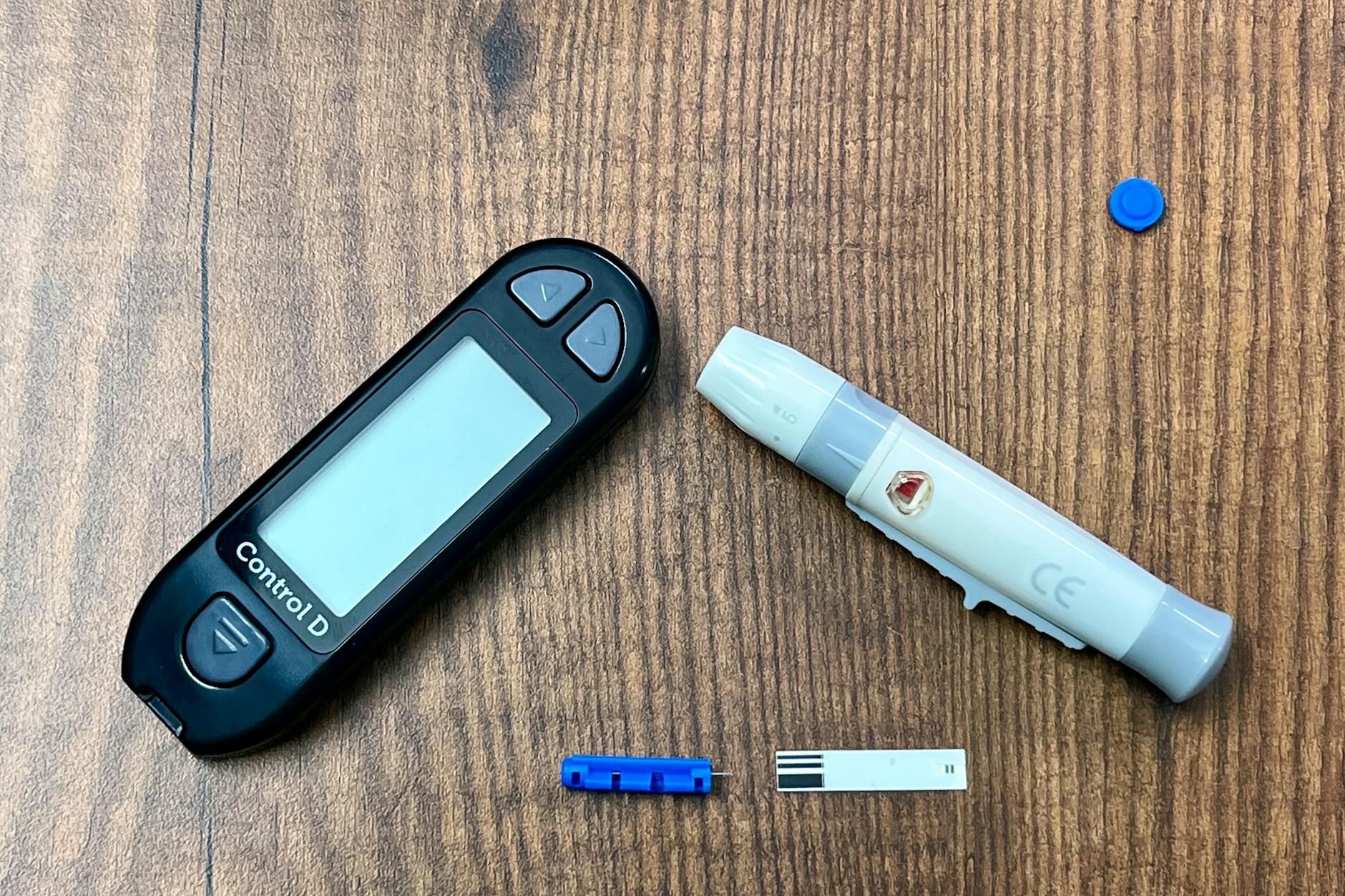
PRACTICAL STEPS FOR COMBINED GLUCOSE AND EMOTIONAL MANAGEMENT
Building stable blood sugar starts with reducing refined carbohydrates and processed sugars, increasing fiber intake through vegetables and whole grains, and maintaining consistent meal timing. Physical activity—even moderate walking three to five times weekly—improves both glucose control and mood by boosting serotonin and BDNF (a growth factor supporting brain health). The trade-off is that these changes require consistent effort; they’re effective only if maintained long-term, not as occasional interventions.
For emotional health, practices like social engagement, cognitive activities (learning, puzzles, reading), and stress management techniques have solid evidence. The comparison is important: taking an antidepressant medication can help, but combining medication with lifestyle changes—exercise, social connection, structured routines—produces better outcomes than medication alone. Some people benefit from formal therapy, others from community involvement or spiritual practice. The key is finding approaches that feel sustainable for your specific life.
LIMITS OF THESE APPROACHES AND WHEN TO SEEK ADDITIONAL HELP
Neither optimism nor glucose control alone prevents dementia if you carry high-risk genetic factors or if Alzheimer’s pathology has already significantly accumulated. A person with the APOE4 genetic variant faces elevated dementia risk even with excellent lifestyle management. Additionally, optimism shouldn’t be confused with denial—dismissing real cognitive changes or refusing appropriate medical evaluation defeats the protective purpose. If you experience persistent memory loss, confusion, or personality changes, medical evaluation is necessary regardless of your mood or glucose levels.
Medications for blood sugar management, antidepressants, and other treatments have important roles when lifestyle changes alone prove insufficient. The warning here is that some people, focused on “natural” approaches, delay medication that could meaningfully protect their brain. Blood sugar control through medication combined with lifestyle changes, when needed, offers better outcomes than either approach alone. Professional guidance matters—working with a doctor and potentially a mental health provider ensures your strategy matches your individual risk profile.

BLOOD VESSEL HEALTH AS THE SHARED MECHANISM
Both optimism and glucose control ultimately protect the brain by preserving healthy blood vessels. Chronically elevated glucose damages the endothelium (inner lining of blood vessels), reducing their ability to dilate and deliver oxygen-rich blood to neurons.
Chronic stress and depression activate inflammatory pathways that also damage blood vessel walls. Conversely, stable glucose and positive emotional states promote endothelial health and reduce inflammation, maintaining robust brain circulation. A specific example: the carotid artery (major blood vessel feeding the brain) shows less plaque buildup over time in people maintaining both good glucose control and low stress, compared to those with either condition alone.
FUTURE PROTECTION AND STARTING ANYWHERE
The evidence suggests that brain protection against dementia works best as a long-term commitment beginning in midlife, ideally before cognitive or metabolic problems emerge. However, starting at any point offers benefit. Someone beginning blood sugar management or mood support at 70 still gains meaningful protection compared to continuing without intervention.
As research advances, understanding how these factors interact at the molecular level continues to improve, potentially leading to more targeted interventions. The encouraging finding is that both factors—emotional resilience and glucose control—are modifiable. Unlike genetic risk, which you cannot change, your daily choices about nutrition, activity, stress management, and emotional engagement directly influence your dementia risk trajectory.
Conclusion
Maintaining stable blood sugar and emotional optimism work together to create powerful protection against cognitive decline and dementia. These aren’t separate health goals that happen to help your brain—they’re deeply interconnected, with each factor amplifying the protective effect of the other. Someone committed to both approaches reduces dementia risk more substantially than someone addressing either problem alone.
Starting or improving these practices at any age helps, though earlier intervention offers greater lifetime protection. The practical path forward involves working with healthcare providers to establish a sustainable approach to blood sugar management that fits your life, while simultaneously building emotional resilience through whatever combination of social connection, activity, cognitive engagement, and stress management works for you. Small, consistent steps in both directions compound over years into measurable cognitive protection.
You Might Also Like
- Combining managing depression and controlling blood sugar Cuts Dementia Risk Dramatically
- Combining controlling blood sugar and deep breathing Cuts Dementia Risk Dramatically
- Combining managing blood pressure and 23 Cuts Dementia Risk Dramatically
For more, see National Institute on Aging.