Reviewed by the Help Dementia Editorial Team — our editors review every article for accuracy against guidance from the National Institute on Aging, the Alzheimer’s Association, and peer-reviewed sources.
Research shows sits at the center of this dementia and brain health question.
Recent research has sparked headlines about aerobic exercise’s dramatic effects on brain health, but the actual findings are more nuanced than clickable claims suggest. A 2025 randomized clinical trial found that adults engaging in 150 minutes weekly of moderate-to-vigorous aerobic activity showed brains that appeared approximately 0.6–1 year younger on MRI scans after 12 months compared to sedentary controls. While this represents genuine progress in understanding exercise’s impact on brain structure, it’s important to distinguish between the claims circulating online—some suggesting aerobic exercise adds 20 years of healthy brain function—and what the peer-reviewed research actually demonstrates.
The notion of a 20-year boost in brain longevity isn’t supported by current published studies. Instead, researchers have documented more modest but still meaningful effects: aerobic exercise appears to slow certain aspects of brain aging, and regular physical activity extends overall life expectancy by approximately 3.9–4.4 years on average, or at least 1.8 years for those meeting basic exercise guidelines. For people concerned about cognitive decline and dementia risk, this distinction between hype and evidence matters enormously.
Table of Contents
- How Much Younger Does Aerobic Exercise Actually Make Your Brain?
- Life Expectancy Gains From Regular Aerobic Activity
- Does Aerobic Exercise Prevent Dementia?
- Getting Started With Aerobic Exercise for Brain Health
- Important Limitations and What We Still Don’t Know
- Complementary Strategies for Brain Health
- The Future of Exercise and Brain Research
- Conclusion
How Much Younger Does Aerobic Exercise Actually Make Your Brain?
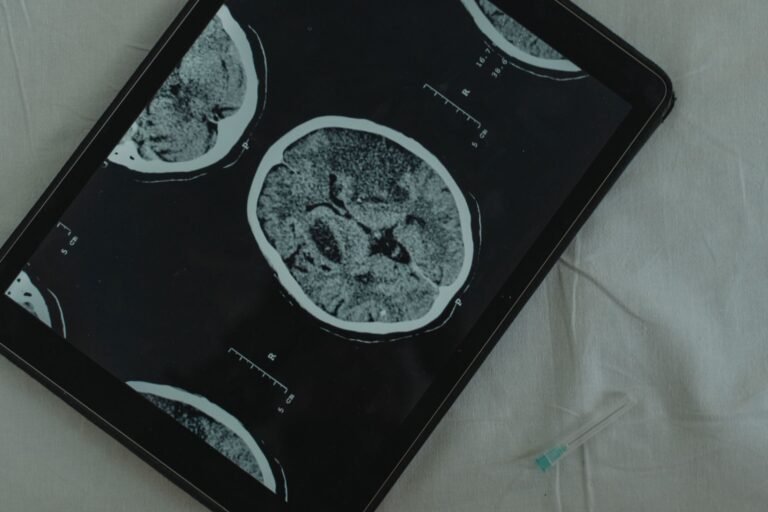
The 2025 study published in the Journal of Sport and Health Science used structural MRI to measure brain age—essentially comparing someone’s actual brain against a mathematical model of typical aging. Participants who completed 150 minutes of aerobic exercise weekly showed their brains appeared about one year younger than their peers who remained sedentary. This wasn’t a massive reversal of aging, but it was statistically significant and detected through an objective imaging method. For a 55-year-old participating in the exercise group, their brain structure resembled that of a typical 54-year-old, while sedentary peers showed markers matching 55-year-olds.
However, researchers emphasized crucial limitations: the study involved healthy, relatively well-educated adults aged 26–58, not the broader population. Critically, they cannot yet confirm whether these brain-age improvements translate to reduced stroke or dementia risk in actual practice. The visible structural changes suggest aerobic exercise influences how the brain physically develops over time, but whether a brain that appears one year younger functionally protects someone from Alzheimer’s disease or other dementias remains an open question. This gap between what we can measure and what it means for real-world disease prevention is why the scientific community remains cautious about overstated claims.

Life Expectancy Gains From Regular Aerobic Activity
While brain age captures attention, the more robust research addresses life expectancy itself. Harvard T.H. Chan School of Public Health found that regular physical activity extends life expectancy by approximately 3.9–4.4 years on average, based on large population studies. Those meeting the minimum guideline of 150 minutes of moderate activity weekly lived 1.8 years longer than sedentary individuals.
This represents significant value—more than a year and a half of additional life—but it’s a far cry from 20 years. The variation in gains depends on exercise consistency, intensity, and individual factors like baseline health and genetics. Someone who exercises minimally may experience 1.8 additional years of life expectancy; someone who exercises intensely and frequently may see closer to 4–4.4 years. Importantly, these gains come with caveats: the people studied who maintained exercise habits also tended to have better diets, fewer smoking years, and more stable healthcare access. Disentangling aerobic exercise itself from the broader lifestyle patterns of people who exercise regularly remains challenging.
Does Aerobic Exercise Prevent Dementia?
This is the critical question for readers navigating dementia concerns. The short answer: aerobic exercise reduces dementia risk, but we don’t yet have definitive numbers on how much. Multiple observational studies consistently show that people with higher cardiovascular fitness have lower dementia rates, and that sedentary behavior is associated with increased cognitive decline. The biological plausibility makes sense—aerobic exercise increases blood flow to the brain, reduces inflammation, and supports the growth of new neurons in the hippocampus, a region crucial for memory. Yet the research has limitations that matter.
Most dementia studies are observational: researchers compare people who exercise to those who don’t, then track who develops dementia. This means they can show correlation but struggle to prove causation. Someone who exercises regularly may also have better access to healthcare, more years of education, greater social engagement, and better sleep—all protective factors for brain health. A randomized controlled trial proving that aerobic exercise prevents dementia in humans would take decades and enormous funding. What we have instead is mounting evidence that exercise supports brain health, coupled with a reasonable inference that this protection likely reduces dementia risk, but without proof.

Getting Started With Aerobic Exercise for Brain Health
If the research supports the value of aerobic exercise but not the 20-year claims, what should someone actually do? The evidence points to a specific target: 150 minutes of moderate-to-vigorous aerobic activity weekly. That could mean 30 minutes of brisk walking five days a week, or 75 minutes of running or cycling spread across the same period. Moderate intensity means you can talk but not sing; vigorous intensity means you can only say a few words.
Starting an aerobic exercise program in middle age or later carries real benefits even if someone hasn’t been active previously. A 65-year-old beginning a walking program won’t turn their brain 20 years younger, but they’ll likely improve their cardiovascular function, reduce stroke risk, and support cognitive function going forward. The tradeoff is straightforward: aerobic exercise requires time investment and some discomfort during exertion, but the return on that investment appears genuine. For someone worried about dementia, this represents one of the most evidence-backed interventions available—more concrete than most pharmaceutical options at the prevention stage.
Important Limitations and What We Still Don’t Know
Before embracing aerobic exercise as a dementia cure, understand what researchers openly acknowledge. The brain-age study involved a relatively small, healthy sample that doesn’t represent everyone—older adults, those with existing cognitive decline, or people with chronic health conditions might respond differently. The structural brain changes observed in young, healthy exercisers may not apply to someone at high genetic risk for Alzheimer’s disease or someone with established cognitive impairment. Additionally, the durability of benefits remains uncertain.
The 2025 study lasted 12 months. Do the brain-age improvements persist if someone stops exercising? Does maintaining a younger-looking brain year after year require permanent exercise commitment? We simply don’t have long-term data yet. Another critical gap: does making your brain appear one year younger actually prevent the cascade of changes that leads to clinical dementia? A brain that looks younger on MRI might still decline cognitively if other pathological processes are already underway. These aren’t reasons to avoid exercise—they’re reasons to avoid overclaiming what exercise alone can achieve.

Complementary Strategies for Brain Health
Aerobic exercise works best alongside other protective factors. Cognitive engagement, quality sleep, strong social connections, Mediterranean-style eating patterns, managing blood pressure and cholesterol, and controlling diabetes all show evidence for reducing dementia risk. Someone focusing exclusively on aerobic exercise while ignoring sleep deprivation or high blood pressure is missing substantial opportunities for brain protection.
For example, a 70-year-old who runs five days a week but sleeps only five hours nightly and lives in isolation likely won’t receive the full cognitive benefit of their exercise. Research suggests these protective factors work synergistically. The combination of aerobic exercise, adequate sleep, cognitive engagement, and social connection offers more robust protection than any single intervention.
The Future of Exercise and Brain Research
Ongoing research is beginning to address gaps in current knowledge. Longer-term studies are tracking whether initial brain-age improvements persist over years. Neuroimaging research is clarifying which specific brain regions show the most improvement from aerobic exercise.
And clinicians are increasingly investigating whether exercise interventions might slow cognitive decline in people who already show mild cognitive impairment, not just prevent dementia in healthy people. One hopeful direction: if aerobic exercise can maintain brain structure and delay cognitive aging by even modest amounts across populations, the cumulative public health benefit is substantial. If 20 years of protected brain function is unrealistic, perhaps five years represents the real prize—five additional years of independent thinking, memory, and judgment that might otherwise decline.
Conclusion
The evidence for aerobic exercise supporting brain health is solid, but more modest than sensational headlines suggest. A 2025 study showed exercisers’ brains appeared approximately one year younger structurally, and regular aerobic activity extends life expectancy by roughly 1.8 to 4.4 years depending on consistency and intensity.
These are meaningful benefits worthy of investment, but they don’t compare to claims of 20 additional years of healthy brain function, which lack scientific support. For anyone concerned about dementia or cognitive aging, aerobic exercise represents one of the most evidence-backed interventions available—not a silver bullet, but a genuine protective factor. The practical next step is straightforward: aim for 150 minutes of moderate-to-vigorous aerobic activity weekly, combine it with adequate sleep and social engagement, and maintain realistic expectations about what exercise can accomplish alongside other protective strategies.
You Might Also Like
- Research Shows walking 30 minutes daily Adds 3 Years of Healthy Brain Function
- Research Shows walking 30 minutes daily Adds 3 Years of Healthy Brain Function
- Research Shows taking 8,000 steps a day Adds 7 Years of Healthy Brain Function
For more, see Alzheimer’s Association.