Reviewed by the Help Dementia Editorial Team — our editors review every article for accuracy against guidance from the National Institute on Aging, the Alzheimer’s Association, and peer-reviewed sources.
Having strong sits at the center of this dementia and brain health question.
Social connections matter more for brain health than many people realize, and recent research suggests they can be as protective—or even more protective—than medication alone when it comes to preventing dementia and cognitive decline. A growing body of scientific evidence shows that maintaining strong social ties in midlife and late life is associated with 30–50% lower dementia risk, making human connection one of the most powerful tools available for protecting your brain as you age. This isn’t a matter of preference or personality; it’s neurobiology. Your brain requires social interaction the way it requires oxygen, and the evidence is increasingly difficult to ignore. Consider Margaret, a 72-year-old who spent her 60s gradually withdrawing from her book club, bridge games, and family gatherings as she became more sedentary.
Within five years, her cognitive function had noticeably declined. When her doctor prescribed a medication to slow memory loss, she took it faithfully—but her real breakthrough came when she committed to volunteering at a local literacy program twice a week. Within months, family members noticed her memory improving and her thinking sharpening. What Margaret experienced wasn’t luck; it was her brain responding to what neuroscience now confirms: meaningful social engagement directly strengthens the neural structures that guard against decline. The question isn’t whether you should take medications prescribed by your doctor—you should. But the evidence now clearly demonstrates that social connections operate through different neurological pathways and may offer protection that no pill can match.
Table of Contents
- How Social Engagement Protects the Aging Brain
- What Happens When Social Connection Is Absent
- The Reversal of Brain Decline Through Social Activity
- Social Connection Compared to Medication in Brain Protection
- Building and Maintaining Social Connection in Midlife and Beyond
- Specific Examples of Protective Social Activities
- The Future of Brain Health: Social Connection as Prevention
- Conclusion
How Social Engagement Protects the Aging Brain
The mechanisms by which social connection protects the brain are becoming increasingly clear. When you engage in meaningful social interactions, your brain activates multiple neural systems simultaneously: regions involved in emotional processing, memory formation, executive function, and reward. This broad activation strengthens neural networks and builds what researchers call “cognitive reserve”—essentially, extra capacity your brain can draw on when facing age-related changes. Research following over 30,000 U.S. adults across two decades found that people who spent just 2-4 hours per week helping others showed a 15%-20% reduction in age-related cognitive decline.
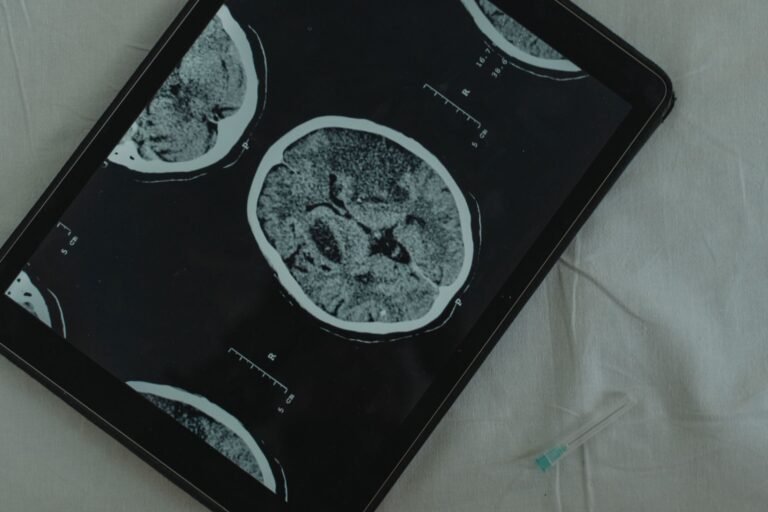
This is particularly striking because the protection came not from passive social contact but from purposeful, meaningful engagement. When you teach someone to read, care for a family member, or contribute to your community, your brain isn’t simply passing time in pleasant company. It’s engaging in complex cognitive work that demands attention, memory, emotional regulation, and problem-solving—the very capabilities most vulnerable to age-related decline. Higher social engagement in older adults is also associated with increased total brain volume and greater gray matter integrity in regions critical for social cognition and memory. In other words, social activity literally preserves the physical structure of your brain. The comparison is striking: someone who maintains active social engagement shows measurable differences in brain imaging compared to someone of the same age who has withdrawn into isolation.

What Happens When Social Connection Is Absent
The opposite scenario—chronic social isolation—produces measurable harm to brain structure and function. Research shows that social isolation causes enlargement of the amygdala, the brain region responsible for processing fear and emotion, while also creating structural alterations in the prefrontal cortex, the area that regulates emotions and impulses. The result is often emotional dysregulation: increased anxiety, depression, and emotional reactivity. For people worried about cognitive decline, this compounds the problem because depression itself accelerates cognitive loss. Social isolation also elevates inflammatory markers, particularly IL-6, an inflammatory protein linked to increased dementia risk.
Think of chronic inflammation as a slow fire burning inside your brain, gradually damaging the tissues you need for memory and thinking. This is one reason why isolation doesn’t simply feel bad—it actively harms the biological systems that keep your mind sharp. One important limitation to recognize: the research on social isolation is largely correlational, meaning we can see that isolated people have worse cognitive outcomes, but we cannot always say with certainty which came first. Did isolation cause cognitive decline, or did early cognitive decline cause people to withdraw? Most likely, it works both ways—isolation damages the brain, and cognitive decline makes people retreat further from social contact, creating a downward spiral. This is why intervention matters: breaking that cycle, even late in life, appears to produce benefits.
The Reversal of Brain Decline Through Social Activity
One of the most encouraging recent findings is that social decline may not be permanent. A randomized controlled trial published in 2025 found something remarkable: purposeful social activity actually halted brain volume declines in women and reversed them in men, specifically in brain regions known to be vulnerable to Alzheimer’s disease. This wasn’t a small effect or a marginal finding. This was a controlled experiment showing that deliberate social engagement can change the physical structure of an aging brain. The implications are profound. For decades, we’ve told people that once cognitive decline begins, little can be done.
The brain “is what it is,” we said. But this evidence suggests that the aging brain, far from being fixed in stone, remains plastic and responsive to life circumstances. The brain regions that shrink with isolation can apparently expand again with renewed social engagement. The question becomes not “Can I fix this?” but “What am I waiting for?” This potential for reversal explains why waiting for medication while withdrawing from friends is a strategic error. Medication may slow decline in some cases, but social connection appears capable of doing something more powerful: actually reversing the process. The research also suggests that the earlier you engage in this protection, the better, but recovery appears possible at any age.

Social Connection Compared to Medication in Brain Protection
This raises the question many people ask: If medication can help, why focus so much on social engagement? The answer is that these aren’t either/or choices—they’re complementary, but they work through completely different mechanisms, and the evidence suggests social connection may be the more powerful tool. Medications for cognitive decline typically work by modifying neurotransmitters or reducing inflammation—important mechanisms, but narrow in scope. Social engagement, by contrast, simultaneously strengthens multiple neural systems, builds cognitive reserve, reduces inflammatory markers, improves sleep and stress regulation, and provides emotional meaning and purpose. A single medication addresses one pathway; social connection addresses many at once.
The tradeoff is availability and consistency. A medication requires a prescription and a pharmacy; social connection requires initiative, vulnerability, and sustained effort. It’s easier to take a pill than to join a club, call an old friend, or commit to volunteering. But the evidence suggests that the harder path—the one requiring actual engagement and presence—produces stronger protection. This is the uncomfortable truth: the brain health strategy that works best is also the one that requires more of us.
Building and Maintaining Social Connection in Midlife and Beyond
Creating meaningful social connection requires intentionality, particularly as people age and circumstances change. Retirement removes the social structure of work. Mobility issues make attending events difficult. Friends move away or pass away. Yet research confirms that maintaining and building connection across these obstacles is precisely what protects cognitive function. The research identifying the specific dose is helpful: 2-4 hours per week of purposeful engagement appears to offer significant protection.
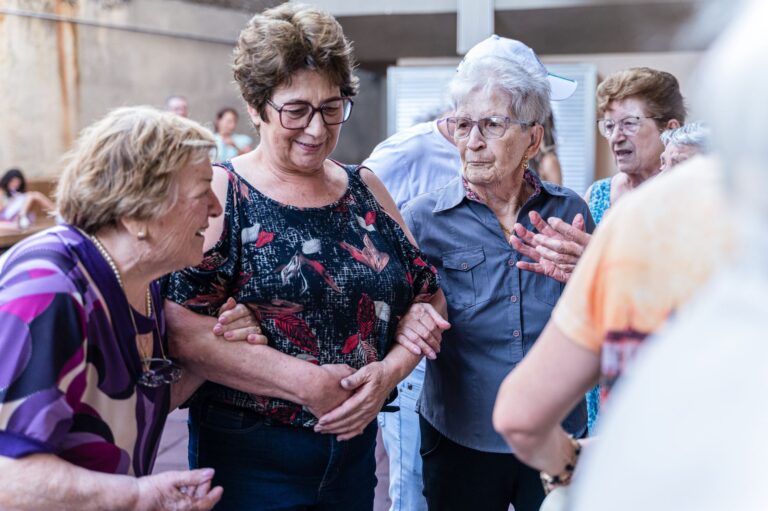
This doesn’t mean exhausting yourself with constant socializing. It means consistent, meaningful participation. A weekly volunteer shift, regular time with family, participation in a club or group, or caregiving responsibility—all have been shown to protect cognitive function. What matters is that the engagement be regular and purposeful, not occasional or passive. One warning: social media and casual contact may not provide the same protection as face-to-face, purposeful engagement. Scrolling through social media while isolated produces different neural activation than having a real conversation with someone you care about. The brain appears to require genuine social presence and interaction, not simply awareness of other people’s lives through a screen.
Specific Examples of Protective Social Activities
Real-world evidence demonstrates that various types of engagement produce benefits. A retired teacher who tutors struggling readers one afternoon per week engages multiple cognitive systems: attention, memory, teaching skill, empathy, and problem-solving. A grandmother who regularly babysits grandchildren experiences constant cognitive engagement and emotional reward. A person who joins a weekly bridge game activates strategic thinking, memory, and social connection simultaneously.
A volunteer at a food bank combines physical activity, purpose, and social interaction. What these examples share is not a specific activity but the presence of regular, purposeful engagement with other people. The brain doesn’t distinguish much between tutoring, gaming, or volunteering—it responds to the cognitive demand and social connection, regardless of the specific context. This means you have genuine flexibility in choosing activities that fit your life and interests. The goal is consistency and meaning, not perfection.
The Future of Brain Health: Social Connection as Prevention
The evidence on social connection and brain health has shifted from interesting observation to clinical reality. Major health organizations now recognize social engagement as a key modifiable lifestyle factor for brain health, ranking alongside diet, exercise, and sleep as essential elements of cognitive resilience. This represents a significant change in how we think about brain health—from a medical model focused on treating decline to a wellness model focused on prevention through life practices.
As research continues, the focus is increasingly on understanding exactly which types of engagement produce the strongest protection and how to make meaningful social connection more accessible to people facing mobility challenges, health limitations, or social anxiety. The direction is clear: social connection isn’t a nice-to-have feature of aging well. It’s a fundamental requirement for brain health, as essential as the blood that flows through your vessels.
Conclusion
The evidence now compels us to reconsider how we approach brain health in midlife and later life. Strong social connections are associated with 30–50% lower dementia risk, protect brain structure and volume, reduce harmful inflammatory markers, and in some cases even reverse cognitive decline. No medication currently available offers protection of this magnitude, and the side effect profile of meaningful social engagement is entirely positive. This doesn’t mean abandoning medical treatment; it means recognizing that social connection may be the most powerful brain-protective tool available to you.
The question is not whether you should pursue social engagement—the evidence that you should is overwhelming. The question is what stands in your way and how you’ll address it. Whether through volunteering, family connection, community participation, or simply consistent engagement with people you care about, the research is clear: your brain needs human connection as much as it needs anything else. The good news is that this protection is available to you regardless of your age, medical history, or circumstance. It requires only the decision to reach out and stay engaged.
You Might Also Like
- Why having strong social connections Matters More Than Medication for Brain Health
- Why wearing hearing aids Matters More Than Medication for Brain Health
- Why wearing hearing aids Matters More Than Medication for Brain Health
For more, see Alzheimer’s Association — caregiving.