Reviewed by the Help Dementia Editorial Team — our editors review every article for accuracy against guidance from the National Institute on Aging, the Alzheimer’s Association, and peer-reviewed sources.
Wearing hearing sits at the center of this dementia and brain health question.
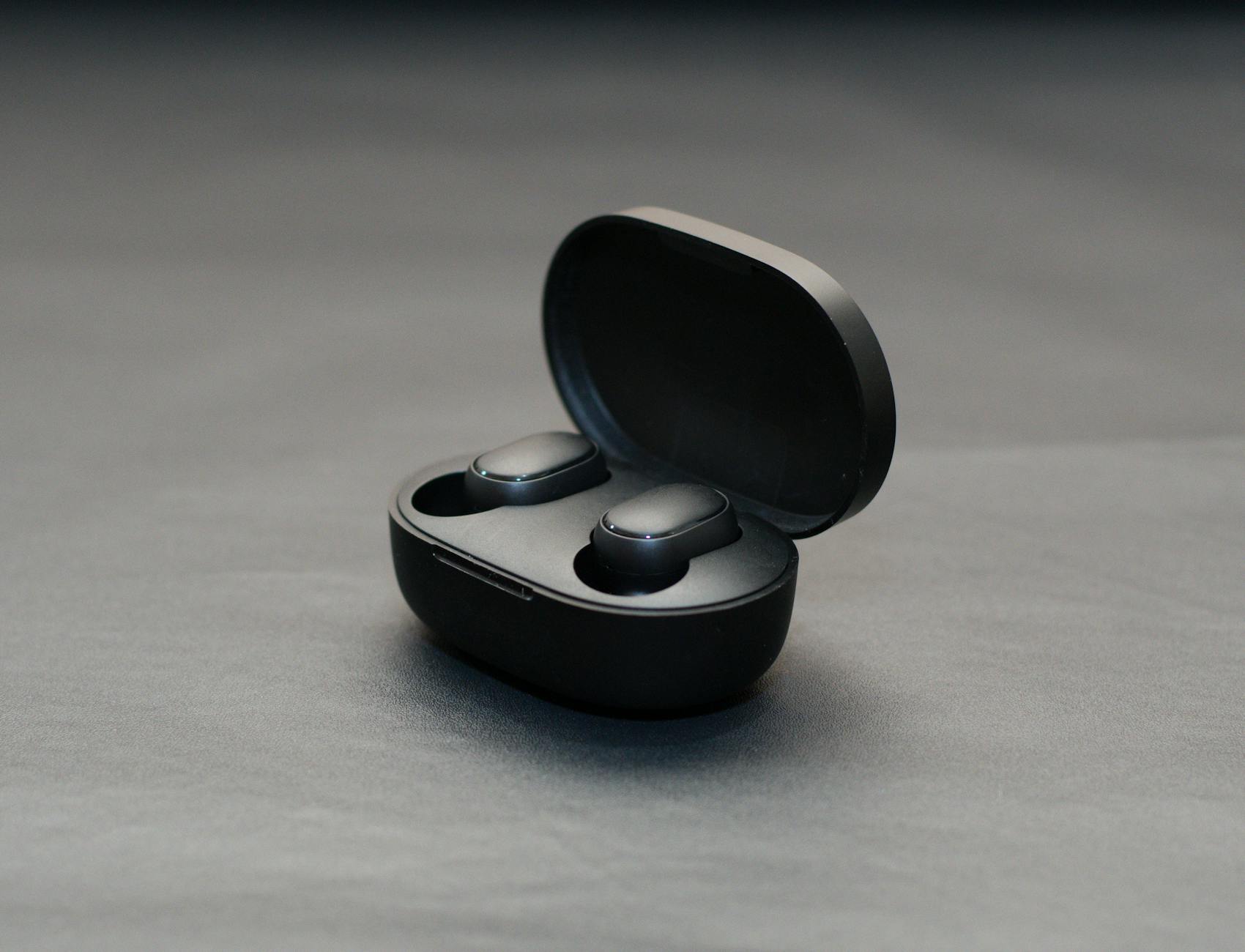
Wearing hearing aids appears to matter more for brain health than many medications currently prescribed to slow cognitive decline. Recent large-scale research, including the landmark ACHIEVE trial involving nearly 1,000 adults ages 70-84, shows that older adults at greater risk of dementia who used hearing aids experienced a nearly 50% reduction in the rate of cognitive decline over three years. This finding challenges the conventional wisdom that pharmaceutical interventions are the primary tool for protecting our brains as we age. The evidence is compelling enough that the World Health Organization concluded in 2024 that “evidence supporting hearing intervention for cognitive health is now sufficiently robust to warrant public health action.” Why does a device designed for hearing work better for brain protection than drugs developed specifically for cognition? The answer lies in understanding how hearing loss damages the brain itself. When you struggle to hear, your brain is forced to work harder to process fragmented sound signals, gradually depleting the cognitive resources available for memory, concentration, and other mental functions.
Treating hearing loss directly removes this burden, allowing your brain to operate more efficiently and preserve its long-term health. Consider Margaret, a 72-year-old who noticed she was asking people to repeat themselves more often. She assumed this was just a normal part of aging and put off getting hearing aids for five years. During those years, she felt her thinking was getting slower and she worried about early dementia. Within six months of finally wearing hearing aids, not only could she understand conversations again—she felt mentally sharper, more engaged, and her daughter noticed she seemed more like herself. Margaret’s experience reflects what researchers are now documenting: addressing hearing loss earlier can protect the brain in ways that waiting for cognitive decline and then treating it cannot.
Table of Contents
- How Hearing Aids Outperform Medications in Dementia Prevention
- The Brain Science Behind Hearing and Cognitive Decline
- Hearing Loss as the Brain’s Hidden Burden
- When and Why You Should Choose Hearing Aids Over Waiting for Medication
- What Hearing Aids Don’t Do (And Why That Doesn’t Matter)
- Real Stories: How Hearing Aids Changed Brain Health Outcomes
- The Future of Brain Health: Hearing as Prevention, Not an Afterthought
- Conclusion
How Hearing Aids Outperform Medications in Dementia Prevention
The comparison between hearing aids and medication for brain health reveals a surprising truth: hearing aids may be more effective at preventing dementia than drugs. In the most comprehensive analysis available, adults over 70 who received hearing aid prescriptions had a 33% lower risk of developing dementia compared to those without—only 5% of hearing aid users developed dementia during the study versus 8% of non-users. For younger adults diagnosed with hearing loss before age 70, the protective benefit was even more dramatic: a 61% lower risk of dementia over a 20-year period. This differs fundamentally from how most cognitive medications work. While some drugs may slow the progression of dementia once it has started, hearing aids work upstream—they prevent the damage from occurring in the first place.
A University of Southern Denmark study that examined 573,088 people found that hearing loss increases dementia risk by 7%, and hearing aid use provides substantial protective benefits. The mechanism is prevention rather than treatment, which is why the WHO statement emphasized that hearing intervention should be considered a public health strategy for dementia prevention. What makes this distinction important is understanding the role of hearing loss as a modifiable risk factor. Johns Hopkins research shows that hearing loss is currently the largest potentially modifiable risk factor for dementia—larger than physical inactivity, depression, or cognitive inactivity. Each 10-decibel worsening of hearing increases dementia risk by 16%. This means that for many people, addressing hearing loss could have a more substantial impact on brain health than nearly any other single intervention.
The Brain Science Behind Hearing and Cognitive Decline
Understanding why hearing affects the brain requires looking at how auditory processing consumes cognitive resources. When someone has untreated hearing loss, the brain must expend enormous energy trying to fill in the gaps and make sense of incomplete sound information. Over years, this depletes the neural reserves that would otherwise support memory formation, executive function, and other cognitive abilities. The brain essentially wears out from overwork while trying to compensate for what the ears cannot deliver. The ACHIEVE trial revealed something unexpected that highlights how this protection works: hearing aids did not improve immediate cognitive test scores in the way medications are designed to do. Participants taking hearing aids did not perform better on standard cognitive tests right away.
Instead, they experienced significantly lower dementia risk over time. This suggests that the brain protection occurs through mechanisms that immediate testing does not fully detect—possibly through reduced inflammation, preserved neural connectivity, or restored cognitive resources that become apparent only as the brain ages. In other words, hearing aids don’t make you smarter immediately, but they protect your brain’s capacity as it ages. One limitation worth noting is that the protection appears strongest when hearing aids are adopted before significant cognitive decline has already begun. For people already diagnosed with mild cognitive impairment or early dementia, the dementia-prevention benefit may be less dramatic, though the quality-of-life improvements remain substantial. This underscores why early detection and treatment of hearing loss—ideally in your 50s and 60s rather than waiting until your 80s—matters so much for brain health.
Hearing Loss as the Brain’s Hidden Burden
Most people think of hearing loss as simply a communication problem—they miss words in conversation or turn up the television volume too loud. What they don’t realize is that untreated hearing loss places a constant tax on the brain’s cognitive resources. Neuroscientists describe this as “cognitive load”—the amount of mental effort required to process information. When hearing is impaired, cognitive load increases dramatically because the brain must work harder to extract meaning from degraded auditory signals. This hidden cognitive load manifests in ways many people attribute to normal aging or early memory problems. Someone with untreated hearing loss might say they feel mentally fatigued after social gatherings, struggle to follow conversations in noisy restaurants, or feel their thinking is becoming less sharp. They often don’t connect these experiences to hearing.
Meanwhile, the brain is sustaining years of extra cognitive strain that eventually contributes to cognitive decline. Think of it like your brain running a heavy background program constantly—over time, this limits processing power for the tasks you actually want to do. A practical example: James, a 68-year-old engineer, gradually lost high-frequency hearing due to years working around machinery. He didn’t think he needed hearing aids because he could still hear people speaking in quiet rooms. But in group settings or meetings with background noise—which comprise much of daily life—his brain was working overtime to piece together fragments of conversation. His wife noticed he seemed more irritable and forgetful than he used to be. After getting hearing aids, not only could he follow conversations easily, but he was also less exhausted at the end of the day and his wife said his memory seemed to improve. His brain finally had bandwidth for things other than decoding fractured sound.
When and Why You Should Choose Hearing Aids Over Waiting for Medication
The traditional approach to brain health has been reactive: watch for cognitive symptoms, get tested, then start taking medications. With hearing aids, you have the opportunity to be proactive. If you have hearing loss, treating it now protects your brain for the next 10, 20, or 30 years. This is fundamentally different from waiting to see if you develop cognitive problems and then hoping medication will reverse them. The tradeoff is important to understand. Hearing aids require daily use, maintenance, expense, and a period of adjustment.
They are not a one-time medication prescription you can passively take. However, this active engagement may contribute to their effectiveness—the daily act of using hearing aids keeps people more connected to their social and physical environments, which itself supports brain health. Additionally, hearing aids have no significant side effects in the way that many cognitive medications do, and they provide immediate quality-of-life improvements beyond just brain protection. You hear better starting today, whereas medications often take weeks or months to show any benefit. The World Health Organization’s 2024 position statement recommends that hearing loss be addressed as part of a comprehensive dementia prevention strategy. For most people, this means getting a hearing test by age 55-60, and if hearing loss is detected, pursuing treatment promptly rather than delaying. The cost of hearing aids, while substantial, should be weighed against the potential cost of developing dementia—both in terms of personal suffering and healthcare expenses.
What Hearing Aids Don’t Do (And Why That Doesn’t Matter)
One important limitation to acknowledge: hearing aids are not a guarantee against dementia, nor are they a cure for cognitive problems that have already developed. They significantly reduce risk, but they do not eliminate it. Some people will develop dementia despite excellent hearing and healthy ears. The 33% reduction in dementia risk for older adults means that hearing aids substantially lower but do not completely prevent the condition. Additionally, hearing aids alone are not sufficient for complete brain health. They work best as part of a broader approach that includes physical exercise, cognitive stimulation, social engagement, quality sleep, and cardiovascular health.
Think of hearing aids as one of the most important protective factors, but not the only one. A person with perfect hearing but a sedentary lifestyle, social isolation, and sleep problems may still face significant dementia risk. Conversely, someone who treats their hearing loss, stays socially engaged, and exercises regularly significantly stacks the odds in their favor. Another nuance: the protection from hearing aids appears to require consistent use. Occasional use or using aids only in certain situations provides less benefit than daily, sustained use. People who get hearing aids but don’t use them regularly don’t receive the full cognitive protection the research demonstrates. This is why adjustment, comfort, and finding the right device are critical—hearing aids only protect your brain if you actually wear them.

Real Stories: How Hearing Aids Changed Brain Health Outcomes
Consider Patricia, 76, who had moderate hearing loss but resisted hearing aids for years, thinking they were only for people with severe deafness. Her daughter noticed her mother was withdrawing from family events, saying she couldn’t follow group conversations. Patricia’s cognitive screening showed mild memory concerns, and her doctor was discussing cognitive medications. When Patricia finally agreed to try hearing aids at her daughter’s insistence, within three months her family said she seemed mentally sharper, more engaged, and her sense of humor returned. Her six-month cognitive assessment showed stability rather than the gradual decline that had been projected. She remains on no dementia medications; her hearing aids are her most important health tool.
Another perspective comes from Donald, 62, who had early-stage hearing loss and chose to treat it immediately rather than wait. His primary care doctor recommended hearing aids based on the emerging evidence about dementia prevention, even though his hearing loss was mild. Donald was initially hesitant but accepted the recommendation as a form of preventive medicine—like taking statins for heart health or exercising for overall fitness. Five years later, he reports that wearing hearing aids was one of the best health decisions he ever made. He has maintained his cognitive performance despite his age, stays mentally engaged, and has no cognitive concerns. He views his hearing aids as an investment in his brain’s future.
The Future of Brain Health: Hearing as Prevention, Not an Afterthought
The research emerging in 2025 and 2026 marks a significant shift in how medicine views the hearing-brain connection. For decades, hearing loss was treated as a separate issue from brain health—an audiological problem rather than a neurological one. The latest evidence forces a reckoning: untreated hearing loss is a modifiable risk factor for dementia that rivals or exceeds the impact of many other factors doctors actively intervene on.
This will likely reshape clinical practice over the coming years as physicians increasingly recommend hearing screening and treatment as a standard part of dementia prevention strategies. The implications are clear: if you have hearing loss, treating it now is one of the most evidence-backed decisions you can make for your long-term brain health. This is not about vanity or convenience—it is about protecting your cognitive future. The World Health Organization, the NIH, Johns Hopkins, and major research institutions worldwide have converged on the same conclusion: hearing intervention should be a public health priority for dementia prevention.
Conclusion
The evidence is now robust: hearing aids matter more for brain health than waiting and hoping medications will work after cognitive decline begins. A 33-50% reduction in cognitive decline and dementia risk represents a profound protective benefit that most medications cannot match. Hearing aids work by addressing a root cause—the cognitive burden of untreated hearing loss—rather than trying to repair damage after it occurs. This is prevention in its most powerful form.
If you have hearing loss or suspect you might, the time to address it is now. Talk with your primary care doctor about a hearing evaluation. If hearing loss is confirmed, discuss hearing aid options with an audiologist. This is not just about hearing better—it is about preserving the cognitive health and mental sharpness you hope to maintain for decades to come. Your future brain depends on the decision you make today.
You Might Also Like
- Why volunteering Matters More Than Medication for Brain Health
- Why volunteering Matters More Than Medication for Brain Health
- Why socializing weekly Matters More Than Medication for Brain Health
For more, see NIH MedlinePlus — cognitive testing.