Reviewed by the Help Dementia Editorial Team — our editors review every article for accuracy against guidance from the National Institute on Aging, the Alzheimer’s Association, and peer-reviewed sources.
Yes, wearing helmets could meaningfully protect against dementia. Recent research from the 2024 Lancet Commission identified traumatic brain injury (TBI) as one of 14 modifiable risk factors for dementia, accounting for approximately 45% of preventable dementia cases globally. Head injuries—even those that seem minor at the time—have been linked to a 44% increased hazard ratio for developing dementia later in life, with multiple injuries substantially amplifying that risk. The good news is that helmets work: bicycle helmets alone reduce brain injury risk by 88%, making head protection one of the most straightforward preventive measures available. Consider a 55-year-old cyclist who falls off their bike without a helmet versus one who wears one.
Both hit their head with the same force, but the helmetless rider suffers a moderate TBI requiring hospitalization. That injury puts them on a trajectory toward earlier cognitive decline—research suggests TBI accelerates dementia development by approximately 2-3 years compared to those without brain injuries. The helmeted cyclist walks away with minimal injury. This difference in outcomes isn’t just about immediate safety; it’s about preventing a cascade of neurological changes that could steal years of cognitive clarity. Making helmets part of your routine—whether cycling, skateboarding, or any activity with head injury risk—is one of the few dementia prevention strategies that’s both scientifically validated and immediately actionable. Unlike lifestyle changes that take months to show benefits, helmet use works instantly, every time you wear it.
Table of Contents
- How Does Head Injury Increase Dementia Risk?
- The Evidence Behind Helmet Protection and Brain Safety
- Multiple Head Injuries and Cumulative Dementia Risk
- Incorporating Helmets Into Your Dementia Prevention Routine
- Limitations of Helmet Protection and When Other Prevention Matters
- Helmets for Different Life Stages and Activities
- The Future of Head Injury Prevention and Dementia Reduction
- Conclusion
How Does Head Injury Increase Dementia Risk?
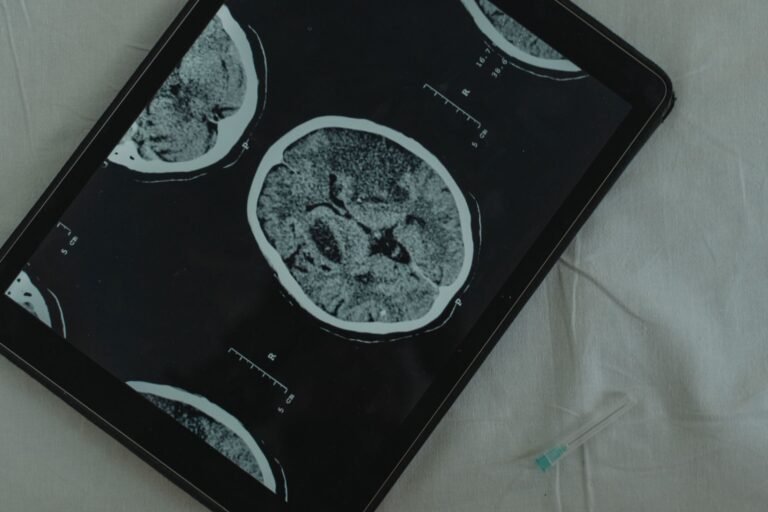
When the brain experiences traumatic injury, the damage extends far beyond the initial impact. TBI triggers inflammation, oxidative stress, and protein misfolding—the same pathological processes that characterize Alzheimer’s disease and other dementias. In fact, moderate to severe traumatic brain injuries increase dementia risk between 2-4 fold, meaning someone with a significant head injury faces odds of developing dementia that are dramatically higher than the general population. A large prospective study found that even a single head injury elevated dementia risk with a hazard ratio of 1.25, but the risk climbed to 2.14 for those with two or more injuries. The mechanism appears to involve long-term changes in the brain’s structure and chemistry.
TBI can damage neurons, disrupt the brain’s waste-clearing glymphatic system, and trigger abnormal accumulation of tau and amyloid proteins—hallmarks of Alzheimer’s disease. This means that a head injury in your 40s or 50s might not cause noticeable problems immediately, but it’s essentially setting the stage for cognitive decline 20 or 30 years later. The injury creates vulnerability that other age-related brain changes can exploit. What makes this particularly concerning is that many people underestimate minor head injuries. A fall, a car accident with airbag deployment, or even a sports-related hit to the head might feel like “nothing serious,” but from a dementia prevention standpoint, any head injury with loss of consciousness or significant impact is worth taking seriously as a risk factor.

The Evidence Behind Helmet Protection and Brain Safety
helmets are engineered to interrupt the chain of injury. During a head strike, a helmet reduces acceleration impact by up to 87%—that’s the difference between your brain rapidly shifting inside the skull (which causes injury) and that shift happening much more gradually. The materials in helmets are designed so that your skull resists forces up to 47 pounds, distributing impact across a wider area rather than concentrating it at a single point. These aren’t trivial physical differences; they translate directly into whether someone sustains a brain injury or walks away unharmed. The real-world evidence backs this up: bicycle helmet use reduces brain injury risk by 88%. That’s an extraordinarily high protective effect for such a simple intervention.
However, a critical limitation is that helmet use remains inconsistent. In many countries, adults rarely wear helmets outside of cycling, even during activities with substantial head injury risk like skateboarding, skiing, or certain contact sports. Even for cycling, helmets are used by only a fraction of riders in most populations. Additionally, helmets only protect if worn correctly—a loose helmet or one not properly fastened offers dramatically less protection than intended. Another important caveat: helmets prevent direct impact injuries but don’t fully protect against all types of brain injury. Severe rotational forces or extreme impacts can still cause significant TBI even with helmets. Helmets are best viewed as a key part of head injury prevention, not a complete guarantee against all possible damage.
Multiple Head Injuries and Cumulative Dementia Risk
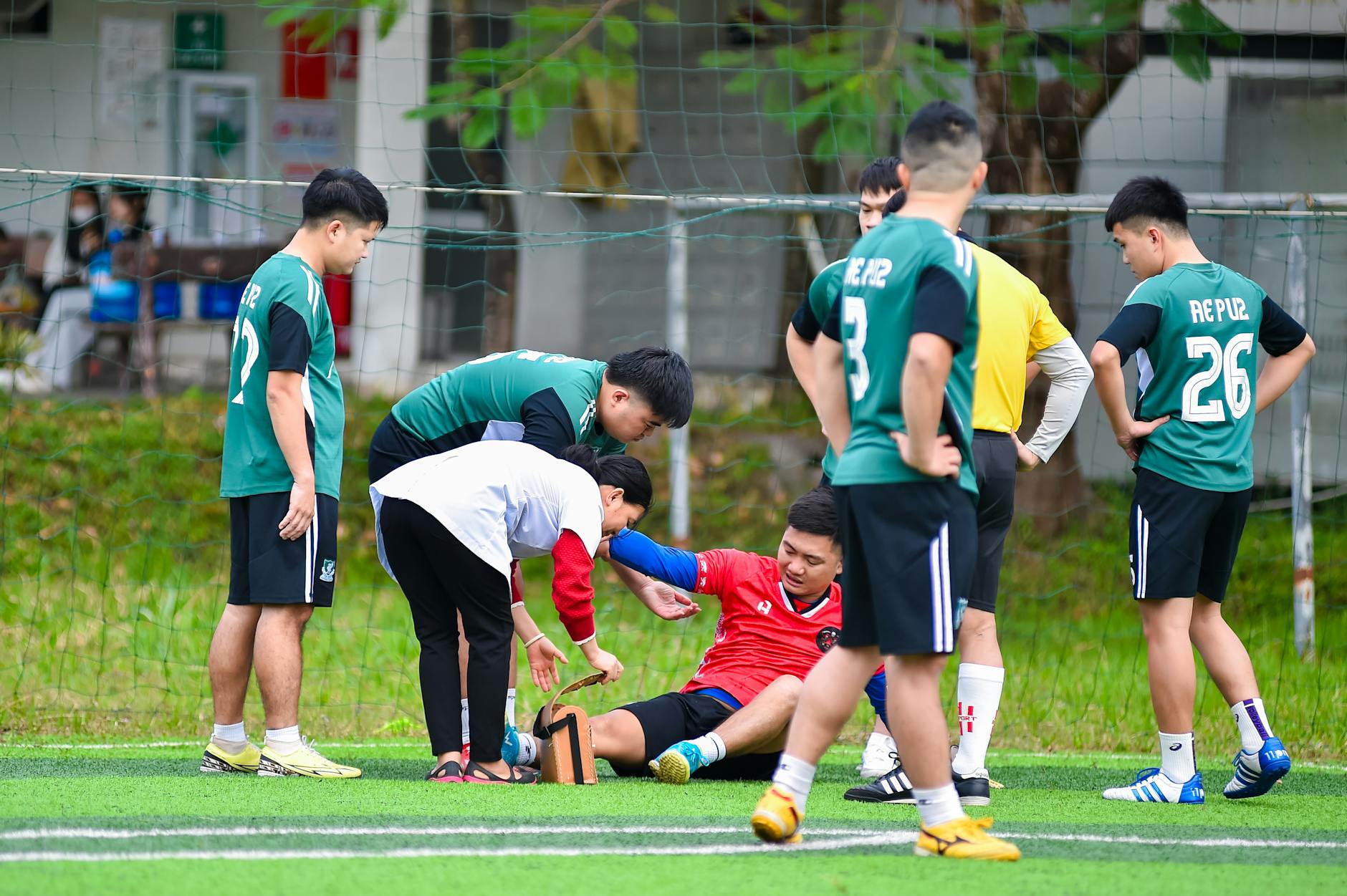
The statistics on repeated head injuries are sobering. A person who experiences one head injury faces a 25% elevated dementia risk. But someone who has had two or more head injuries has more than double the dementia risk—a hazard ratio of 2.14. This dose-response relationship means that the protective benefit of helmets multiplies with each impact prevented. An athlete or worker with repeated head injury exposure—such as a boxer, rugby player, or construction worker—stands to gain enormous long-term benefit from consistent helmet use.
This cumulative risk pattern has particular relevance for people with certain occupations or hobbies. Military personnel exposed to blast injuries, emergency responders in high-accident environments, or competitive athletes in contact sports face multiple opportunities for head impact. For these populations, helmet adoption is not just about preventing immediate injury; it’s about preventing a cascade of repeated insults that could dramatically accelerate cognitive decline. The good news is that this also means prevention works at every level. Even if someone has already experienced one head injury, preventing subsequent injuries becomes even more critical. A second helmet-prevented injury at age 60 could be the difference between maintaining cognitive function into their 80s or experiencing noticeable decline in their 70s.
Incorporating Helmets Into Your Dementia Prevention Routine
Making helmets a routine habit requires shifting how people think about them—from optional safety gear to an essential piece of personal health maintenance, like wearing a seatbelt. For cyclists, this means keeping a helmet accessible and normalized. For parents, it means ensuring children wear helmets without exception, which builds lifelong habits. For older adults, the stakes are particularly high: a fall that might bruise a younger person’s arm could cause a serious TBI in someone with weaker bones and increased fall risk. Yet this population shows the lowest helmet adoption rates. Practical implementation matters.
People are more likely to wear helmets if they’re immediately available, stylish enough that they don’t mind being seen in them, and if their social circles normalize their use. Comparing helmet-wearing cultures across countries reveals this: in Denmark and the Netherlands, where cycling helmets became culturally normalized and socially expected, adoption rates soared and head injuries dropped accordingly. In contrast, in countries where helmets remain seen as optional or inconvenient, the adoption remains low despite equivalent injury risks. One tradeoff to acknowledge: helmets do increase inconvenience, expense, and physical discomfort during hot weather. For consistent use, people must decide that preventing dementia 25 years in the future is worth these immediate, tangible costs. This is easier for some populations and activities than others, which is why targeting helmet adoption at high-risk groups and activities may be most effective.
Limitations of Helmet Protection and When Other Prevention Matters
While helmets are highly effective at preventing head injury, they’re not a complete solution to dementia prevention. Helmets protect specifically against traumatic brain injury, but dementia has multiple other modifiable risk factors—including physical inactivity, poor diet, cardiovascular disease, hearing loss, depression, and social isolation. Someone who wears a helmet religiously but remains sedentary and socially isolated is still at elevated dementia risk from other causes. Helmet use is best viewed as one piece of a comprehensive prevention strategy, not a standalone solution. Additionally, helmet protection depends entirely on consistent use.
A cyclist who wears a helmet on calm neighborhood rides but skips it on faster, higher-risk rides is missing opportunities for protection during the most dangerous moments. A person who wears a helmet at age 40 but stops at age 65 may have created vulnerability during the critical decade when dementia risk compounds. The protective benefit only exists in the moments when the helmet is actually worn. There’s also a warning worth noting: some people who wear helmets may unconsciously take more physical risks, a phenomenon called risk compensation. An athlete in a helmet might ride more aggressively, increasing overall injury likelihood. While this doesn’t negate the helmet’s protective effect, it’s a reminder that helmets are a layer of safety, not a license for recklessness.

Helmets for Different Life Stages and Activities
Children’s helmet use is especially critical because their brains are still developing and may be more vulnerable to TBI effects. A child who suffers a head injury at age 8 may not show noticeable cognitive effects until adolescence or early adulthood, but the neurological damage is being set in motion. Parents who establish helmet habits in childhood are investing in their child’s cognitive future at age 60.
For older adults, the recommendation becomes even more urgent. A person over 65 is at higher risk for falls due to balance issues, medications, and weaker bones. A seemingly minor fall that causes a head injury in an older adult can trigger accelerated cognitive decline in the context of existing age-related brain changes. An 70-year-old who adopts helmets for activities like cycling, skateboarding with grandchildren, or even just walking in icy conditions is potentially adding years to their cognitive lifespan.
The Future of Head Injury Prevention and Dementia Reduction
The 2024 Lancet Commission’s inclusion of head injury as one of 14 modifiable dementia risk factors represents a turning point in dementia prevention strategy. For decades, public health messaging focused on factors like cardiovascular health and cognitive engagement, but TBI was largely overlooked as a preventable dementia risk. As this research becomes more widely known, we can expect increased recommendations for helmet use in medical guidelines and public health campaigns targeting dementia prevention.
Innovations in helmet technology are also advancing. Newer materials and designs are improving comfort, breathability, and protection, removing some of the barriers to consistent use. As helmets become lighter, cooler, and more socially acceptable, adoption rates should rise. The challenge now is translating the science into behavior change—convincing people that the inconvenience of wearing a helmet today is a worthwhile investment in protecting their mind 20 or 30 years from now.
Conclusion
Wearing helmets could meaningfully protect against dementia by preventing the traumatic brain injuries that increase dementia risk 2-4 fold and accelerate cognitive decline by 2-3 years. With helmets reducing brain injury risk by 88%, helmet use is one of the most straightforward, immediately actionable dementia prevention strategies available. The evidence is clear: every head injury prevented is a significant dementia risk factor eliminated. The next step is integration.
Make helmet use automatic for any head injury risk—cycling, skating, sports, or activities with fall risk. Keep a helmet accessible, wear it every time, and encourage the people around you to do the same. Dementia prevention isn’t always about complex interventions or expensive treatments. Sometimes it’s about the simple decision to protect your head today so your mind remains sharp tomorrow.