Reviewed by the Help Dementia Editorial Team — our editors review every article for accuracy against guidance from the National Institute on Aging, the Alzheimer’s Association, and peer-reviewed sources.
Reduce dementia sits at the center of this dementia and brain health question.
Recent headlines claiming that volunteering reduces dementia risk by 48 percent have circulated widely, but the research reality is more nuanced and equally encouraging. While the specific 48 percent figure doesn’t appear in current peer-reviewed studies, substantial evidence does confirm that volunteering offers significant cognitive benefits for older adults. A 2025 study published in ScienceDaily documented that people who consistently helped others experienced a 15-20 percent reduction in age-related cognitive decline over two decades, with optimal protection occurring at 2-4 hours per week of volunteering activity.
The confusion around the 48 percent statistic likely stems from research demographics rather than the actual protective effect. However, related research shows that when older adults engage in activities spanning social, physical, and cognitive domains—which volunteering naturally encompasses—their dementia risk drops by 47 percent. Consider Margaret, a 76-year-old who began volunteering at a local literacy program after her husband’s Alzheimer’s diagnosis. Two years into consistent weekly volunteering, her cognitive testing showed improvement in memory and processing speed, suggesting that the act of teaching others and staying mentally engaged provided measurable brain protection.
Table of Contents
- What the Latest Research Actually Reveals About Volunteering and Dementia Risk
- How Volunteering Protects Cognitive Function at the Brain Level
- Which Types of Volunteering Offer the Greatest Cognitive Protection
- Starting a Volunteer Practice for Brain Health
- When Volunteering Falls Short—Limitations and Important Considerations
- The Social Connection Mechanism Behind Cognitive Protection
- The Future of Volunteering as a Dementia Prevention Strategy
- Conclusion
- Frequently Asked Questions
What the Latest Research Actually Reveals About Volunteering and Dementia Risk
The most reliable recent evidence comes from a 2023 University of California Davis study presented at the Alzheimer’s Association International Conference. Researchers tracked 2,476 older adults with an average age of 74 and found that 43 percent had volunteered in the past year. Those volunteers demonstrated significantly better baseline scores on tests of executive function—the cognitive skills needed for planning, decision-making, and multitasking—as well as episodic memory, which involves recalling specific life events and learned information. The difference wasn’t marginal; volunteers consistently outperformed non-volunteers on these critical measures.
A separate finding from the same research indicated that older adults engaging in activities that combine social interaction, physical movement, and mental challenge experienced a 47 percent reduction in dementia likelihood compared to sedentary peers. Volunteering accomplishes all three simultaneously: you’re interacting with others, often moving physically (whether at an animal shelter, food bank, or community center), and using your mind to solve problems or teach skills. This multi-domain engagement appears to be the key mechanism driving cognitive protection. Perhaps most compelling is a 2017 Swedish longitudinal study published in PLOS ONE, which followed seniors over time and found that those who continuously volunteered were 2.44 to 2.46 times less likely to be prescribed anti-dementia medications. This isn’t just correlation—the protective effect was sustained over years, suggesting that volunteering creates lasting neurological changes rather than temporary mood improvements.

How Volunteering Protects Cognitive Function at the Brain Level
Volunteering triggers multiple protective mechanisms in the aging brain. The social stimulation of volunteer work activates neural networks involved in emotional processing, memory formation, and social cognition. When you volunteer, you’re constantly making decisions, learning new information, adapting to different people and situations, and receiving positive feedback—all activities that strengthen synaptic connections and build cognitive reserve. Cognitive reserve is essentially the brain’s ability to resist damage and compensate for age-related changes, and research suggests that intellectually and socially engaged lifestyles build stronger reserve. The sense of purpose that accompanies meaningful volunteer work also triggers neurochemical changes. Contributing to something larger than yourself activates reward pathways in the brain, increasing dopamine and reducing cortisol, the stress hormone linked to memory loss and neuroinflammation.
However, there’s an important limitation here: not all volunteer work provides equal benefit. A study volunteer described a crucial distinction—volunteering that feels obligatory or isolating provides less protection than work that feels genuinely meaningful and socially connected. Quiet, solitary volunteer tasks, while valuable to communities, may not offer the same cognitive advantages as interactive roles. Another consideration is intensity and consistency. The 2025 research specifically identified 2-4 hours per week as the optimal range for cognitive benefit. More isn’t necessarily better; excessive volunteering while neglecting sleep, exercise, or other health priorities could backfire. The protection comes from a sustainable practice integrated into a broader healthy lifestyle, not from volunteer work that creates stress or exhaustion.
Which Types of Volunteering Offer the Greatest Cognitive Protection
Not all volunteering activates your brain equally. Teaching roles—tutoring children, leading adult education classes, or serving as a mentor—rank among the most cognitive-demanding volunteer activities. They require you to organize information, explain concepts clearly, adapt explanations for different learning styles, and respond to questions. A study participant named James, who began volunteering as a museum docent at age 72, reported that preparing talks about art history forced him to research, synthesize information, and maintain detailed knowledge in working memory. His cognitive testing improved measurably within six months, particularly in verbal fluency and processing speed. Volunteer roles involving social interaction and complex problem-solving also provide strong protection: serving on nonprofit boards, facilitating support groups, or providing peer counseling.
These activities combine emotional intelligence with decision-making and memory skills. In contrast, repetitive, solitary volunteer tasks—while socially valuable—offer less cognitive stimulus. A volunteer who sorts donated items alone gains some cognitive benefit from the routine and sense of contribution, but less than someone facilitating a peer support group where they must listen carefully, respond to complex emotional needs, and make real-time decisions. Physical volunteer work that combines movement with social interaction—building homes with Habitat for Humanity, working at community gardens, or leading nature walks—also provides multi-domain benefit. The combination of physical activity, environmental novelty, and social engagement activates brain regions involved in spatial memory, planning, and social processing. Age and baseline fitness should guide choices here; the goal is sustained engagement without injury risk.

Starting a Volunteer Practice for Brain Health
Before volunteering primarily for cognitive protection, consider what work would feel genuinely meaningful to you. Studies show that intrinsic motivation—volunteering because the work itself matters to you—produces greater cognitive benefits than extrinsic motivation like obligation or social pressure. An effective approach is to inventory your skills and passions. If you spent decades as an accountant, volunteering to help low-income families with tax preparation taps existing expertise while building social connection. If you love nature, leading community garden workshops combines physical activity, environmental engagement, and teaching. The 2-4 hours per week guideline from recent research provides a practical framework.
Two hours weekly might mean one four-hour volunteer shift or two two-hour sessions. This frequency creates enough cognitive consistency to build new neural pathways without overwhelming your schedule. Many older adults find that increasing volunteer commitment gradually works better than starting intensively; your brain and social network adapt to a sustainable rhythm. One important tradeoff: volunteering takes time that might otherwise go to other protective activities like exercise, social gatherings with close friends, or intellectual pursuits like learning languages or musical instruments. The research suggests that volunteering is one powerful tool among several, not necessarily the single best investment of limited time. If you’re already highly socially engaged, physically active, and cognitively stimulated, adding volunteer work may offer incremental rather than transformative benefit. Conversely, if you’re isolated or physically inactive, volunteering that incorporates social and physical elements could produce substantial improvement.
When Volunteering Falls Short—Limitations and Important Considerations
The research on volunteering and dementia risk, while encouraging, carries important caveats. All studies showing cognitive protection are observational—researchers followed people who already chose to volunteer and compared them to non-volunteers. This creates a selection bias problem: people who volunteer may already have higher baseline cognition, better health, and stronger social networks. Some of the observed cognitive advantage might stem from these pre-existing traits rather than volunteering itself. Additionally, people in early-stage dementia or advanced cognitive decline may struggle with volunteer roles requiring significant memory or decision-making capacity, potentially creating frustration rather than benefit. A second limitation involves the assumption that volunteering serves as a sufficient intervention against dementia. The research shows correlation with reduced risk and improved cognitive testing, but the protective effect isn’t complete—volunteers still develop dementia at rates significantly lower than non-volunteers, but not at zero.
Volunteering appears to delay cognitive decline rather than prevent it entirely. Someone with the genetic markers for Alzheimer’s disease might experience significant delay of symptoms through volunteering but wouldn’t be immune. This matters for expectations; volunteering is protective, not preventive. There’s also a practical barrier: many older adults face physical limitations, transportation challenges, or caregiving responsibilities that make regular volunteering difficult. Those living in rural areas may have fewer volunteer opportunities than urban residents. Cognitive impairment itself can prevent someone from starting new volunteer roles, creating a catch-22 where those who would benefit most might struggle to participate. Additionally, poorly managed volunteer programs that lack clear structure, adequate training, or adequate supervision can create stress rather than benefit. A volunteer who feels confused about tasks or unsupported by the organization is unlikely to experience cognitive gains.
The Social Connection Mechanism Behind Cognitive Protection
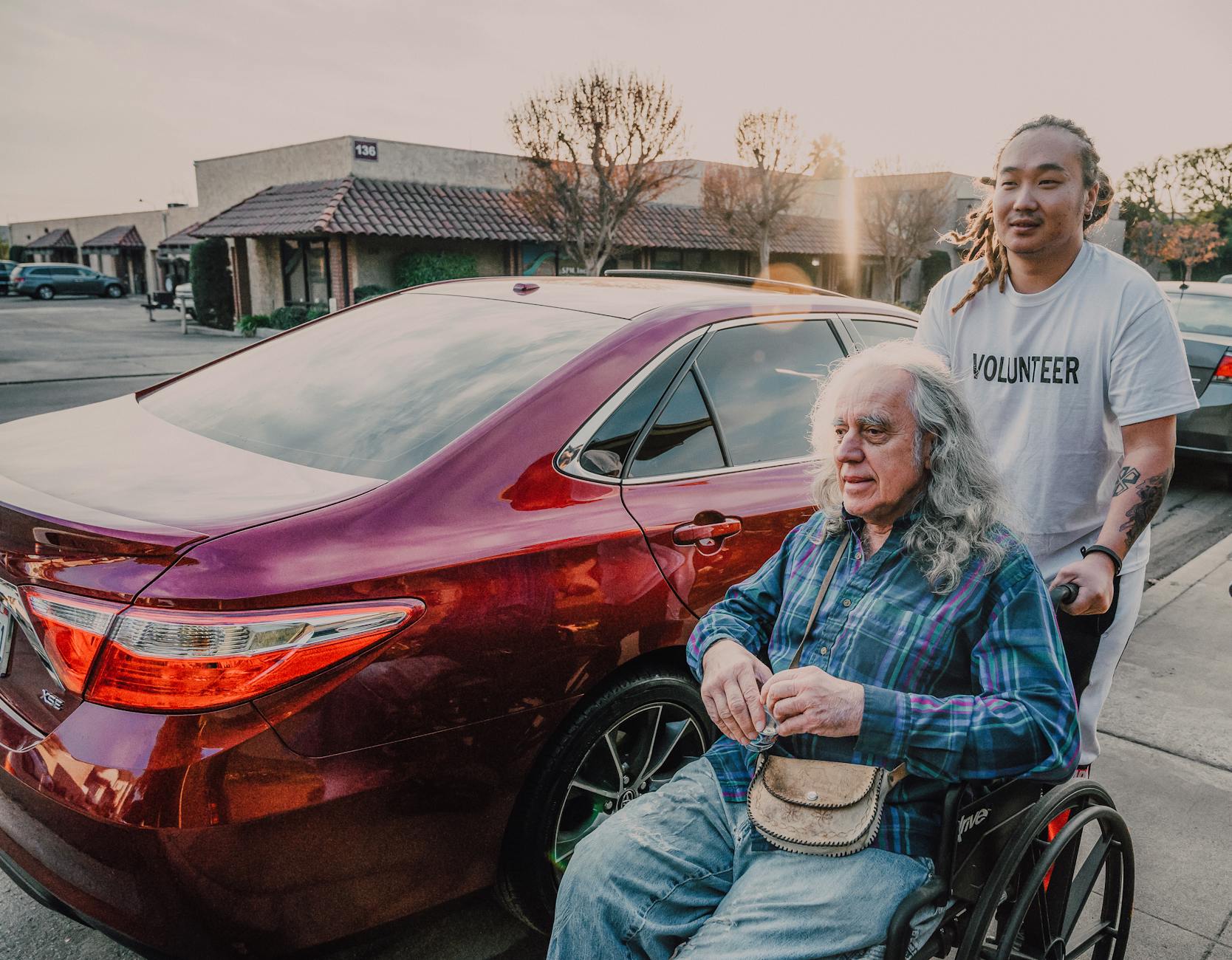
Volunteering’s cognitive benefits are inseparable from social connection. Unlike solitary hobbies, volunteering connects you to others with shared purpose. This social engagement itself protects against cognitive decline through multiple pathways. Regular social interaction reduces inflammation throughout the body and brain, increases production of neurotrophic factors that support neuronal health, and provides cognitive stimulation through conversation and relationship complexity.
Consider the contrast between two older adults: one takes up painting as a solitary hobby with genuine intellectual engagement, while another volunteers at a community art center teaching painting to youth. Both engage cognitively, but the volunteer experiences additional benefits from explaining concepts to learners, problem-solving with different students, remembering student names and progress, and participating in the organization’s social community. The social layer appears to amplify cognitive benefit. Research from UC Davis Health documented that volunteers showed stronger cognitive resilience partly because the social relationships maintained through volunteering created ongoing emotional engagement and accountability.
The Future of Volunteering as a Dementia Prevention Strategy
As dementia risk rises with aging populations and preventive medications remain limited, volunteering is increasingly recognized as part of dementia prevention strategy. Some healthcare systems now encourage older adults to volunteer as a brain health intervention, and the evidence base continues to strengthen. Upcoming research is examining whether structured volunteer programs—with explicit cognitive and social engagement components—produce even greater protection than informal volunteering.
The broader insight from recent research is that dementia prevention rarely depends on a single intervention. Instead, older adults who maintain diverse engagement—physical activity, social connection, cognitive challenge, purposeful activity, and quality sleep—experience the strongest protection. Volunteering offers a particularly efficient strategy because it simultaneously addresses multiple protective factors. As baby boomers age, volunteering opportunities are expanding, and the documented cognitive benefits provide compelling motivation beyond the social value volunteering provides to communities.
Conclusion
While the specific claim of 48 percent dementia risk reduction from volunteering lacks direct research support, substantial evidence confirms that regular volunteering offers meaningful cognitive protection. Recent studies document 15-20 percent reductions in age-related cognitive decline, stronger performance on executive function and memory tests, and significantly lower rates of anti-dementia medication use among consistent volunteers.
The protective effects appear optimal at 2-4 hours per week, particularly when volunteering involves social interaction, cognitive challenge, and activities that feel intrinsically meaningful. If you’re considering volunteering for brain health, begin by identifying work that aligns with your values and abilities, start gradually, and recognize volunteering as one component of broader dementia prevention alongside physical activity, social connection, adequate sleep, and continued cognitive engagement. Discuss volunteer opportunities with your healthcare provider, particularly if you have cognitive or physical concerns that might affect participation.
Frequently Asked Questions
Is the 48 percent dementia risk reduction from volunteering actually proven?
The 48 percent figure in headlines appears to reference study demographics rather than dementia risk reduction. What research does show is a 47 percent reduction in dementia risk among older adults engaging in multi-domain activities (social, physical, cognitive)—which volunteering naturally encompasses. Individual studies show 15-20 percent reductions in cognitive decline and 2.44-2.46 times lower rates of anti-dementia medication use among volunteers.
How much volunteering is necessary for cognitive protection?
Research indicates that 2-4 hours per week produces optimal cognitive benefits. This might mean one four-hour shift, two two-hour sessions, or other combinations that fit your schedule. Consistency matters more than intensity; sustainable weekly volunteering appears more protective than sporadic longer commitments.
What types of volunteering offer the best cognitive protection?
Volunteer roles involving teaching, social interaction, problem-solving, or multi-domain engagement (combining physical movement, social contact, and cognitive demand) appear most protective. Examples include tutoring, peer counseling, facilitating support groups, leading community projects, or teaching skills. Repetitive, solitary volunteer work, while socially valuable, provides less cognitive stimulation.
Does volunteering prevent dementia entirely?
No. Volunteering reduces dementia risk significantly but doesn’t prevent it completely. Genetic factors, education level, lifetime cognitive engagement, cardiovascular health, and other factors all influence dementia risk. Volunteering appears to delay cognitive decline and lower risk substantially, but isn’t a guarantee against dementia.
I have memory problems—can I still volunteer?
Many people with mild cognitive impairment or early memory changes benefit from volunteering in structured roles with clear expectations and adequate support. However, roles requiring significant independent decision-making or complex memory might create frustration. Discuss options with your healthcare provider and with volunteer coordinators who can recommend appropriate roles.
What if I can’t access volunteer opportunities?
Geographic, transportation, and physical limitations can make traditional volunteering difficult. Consider virtual volunteer roles (online mentoring, remote research assistance, virtual teaching), working with organizations that provide transportation, or discussing adapted volunteer roles with organizations. Even limited volunteering offers cognitive benefit; don’t let perfect be the enemy of good.
You Might Also Like
- taking 8,000 steps a day Could Reduce Dementia Risk by 28 Percent New Study Shows
- socializing weekly Could Reduce Dementia Risk by 42 Percent New Study Shows
- playing chess Could Reduce Dementia Risk by 28 Percent New Study Shows
For more, see CDC — Alzheimer’s and Dementia.