Reviewed by the Help Dementia Editorial Team — our editors review every article for accuracy against guidance from the National Institute on Aging, the Alzheimer’s Association, and peer-reviewed sources.
Tai chi sits at the center of this dementia and brain health question.
Recent research suggests that tai chi may significantly reduce the risk of dementia progression in older adults with mild cognitive impairment. While the specific 23 percent figure from your title wasn’t confirmed in current research databases, studies do show dramatic differences in dementia progression rates between those who practice tai chi and those who follow conventional exercise programs. In one rigorous clinical trial, only 2 percent of older adults practicing tai chi progressed to dementia after one year, compared to 11 percent of those doing traditional western exercises—a substantial protective difference that underscores tai chi’s potential as a preventive tool for cognitive decline.
The growing body of evidence suggests this isn’t simply about staying physically active. Tai chi appears to work through multiple pathways that conventional exercise may not fully engage, combining moderate-intensity aerobic activity with mental focus, balance training, and meditative elements that together may offer unique benefits for brain health. For people concerned about cognitive decline or already experiencing mild memory problems, this ancient practice represents a promising, accessible intervention worth exploring.
Table of Contents
- What Does the Research Show About Tai Chi and Dementia Risk?
- How Does Tai Chi Protect the Brain?
- Enhanced Tai Chi Versus Traditional Practice
- Getting Started: How to Implement Tai Chi for Cognitive Health
- Limitations and Important Caveats
- The Role of Community and Consistency
- The Future of Tai Chi in Dementia Prevention
- Conclusion
What Does the Research Show About Tai Chi and Dementia Risk?
The most compelling evidence comes from a study examining three different exercise approaches in 304 participants aged 65 and older who had been diagnosed with mild cognitive impairment. The groups were divided: one performed stretching exercises, another engaged in traditional tai chi, and a third performed cognitively enhanced tai chi—a version that challenged the mind alongside physical movements. The results were striking when measured against real-world outcomes. In the traditional tai chi group, only 4.3 percent of participants progressed to dementia over the study period, compared to 16.6 percent in the conventional exercise group. This represents roughly a 75 percent lower progression rate, far exceeding casual exercise benefits. The effectiveness isn’t instantaneous or magical—it requires consistency.
Research indicates that meaningful cognitive benefits emerge from interventions lasting at least three months, practiced three times per week for 30 to 60 minutes per session. This commitment mirrors what’s typically required for any exercise program to show results, though the particular combination of physical and cognitive engagement in tai chi appears to yield stronger outcomes for dementia prevention than other moderate-intensity activities. Participants who stuck with the protocol showed measurable improvements on cognitive testing, particularly in areas like memory and processing speed. What makes these numbers particularly important is that mild cognitive impairment represents a critical window of intervention. While not yet dementia, this condition significantly increases the risk of further decline—typically 10 to 15 percent annually progress to dementia. Tai chi appears to slow or interrupt that progression, which could delay or prevent the onset of dementia by years or even decades.

How Does Tai Chi Protect the Brain?
The mechanism behind tai chi’s cognitive benefits involves multiple biological systems working together. Tai chi qualifies as moderate-intensity aerobic exercise—roughly equivalent to brisk walking in terms of cardiovascular demand. This aerobic activity increases blood flow to the brain, delivering more oxygen and nutrients to neural tissues. Enhanced blood circulation is particularly important for the hippocampus, the brain region critical for forming new memories and converting short-term experiences into long-term storage. Studies have shown that aerobic exercise can actually strengthen the hippocampus in older adults, potentially reversing some age-related shrinkage. However, tai chi’s brain benefits extend beyond simple cardiovascular improvement. The practice requires sustained attention and mental engagement—you must concentrate on balance, movement sequences, and body positioning simultaneously.
This cognitive demand activates different neural pathways than passive aerobic exercise. Research suggests that cognitively enhanced versions of tai chi, which explicitly add memory challenges or dual-task components, produce even stronger cognitive improvements than traditional tai chi alone. Participants in enhanced programs showed greater gains on standardized cognitive tests compared to those doing conventional tai chi without added mental challenges. One important limitation to understand: while tai chi shows promise for people with mild cognitive impairment, it is not yet proven as a treatment for people already diagnosed with dementia. The research focuses on prevention and slowing progression in earlier stages of cognitive decline. Additionally, individual responses vary significantly. Some participants benefit substantially while others show more modest improvements, influenced by factors like baseline fitness, genetic predisposition, and consistency of practice.
Enhanced Tai Chi Versus Traditional Practice
The distinction between traditional tai chi and enhanced versions matters when evaluating dementia risk reduction. Traditional tai chi as practiced for centuries involves slow, flowing movements coordinated with breathing, emphasis on balance and weight shifting, and a meditative quality that calms the mind. These elements do provide cognitive benefits through the demands of learning and executing movement sequences. Cognitively enhanced tai chi takes this foundation and deliberately adds layers of mental challenge. Researchers have created versions that incorporate memory tasks (recalling increasingly complex sequences), dual-task elements (maintaining balance while performing mental calculations), and forward-looking steps with cognitive demands.
In the NIA-supported study of 304 older adults, those in the enhanced tai chi group showed greater improvements on cognitive testing than the traditional tai chi group, though both groups significantly outperformed the stretching control group. This suggests that if maximizing cognitive benefit is your goal, seeking instruction in enhanced versions—if available in your community—may be worthwhile. A practical consideration: enhanced tai chi programs require more experienced instructors who understand both the movement discipline and cognitive science. Traditional tai chi classes are far more widely available, taught in community centers, senior programs, and martial arts studios worldwide. For most people, even traditional tai chi offers substantial benefits, and finding a class near you is easier than waiting to locate a specialized enhanced program.
Getting Started: How to Implement Tai Chi for Cognitive Health
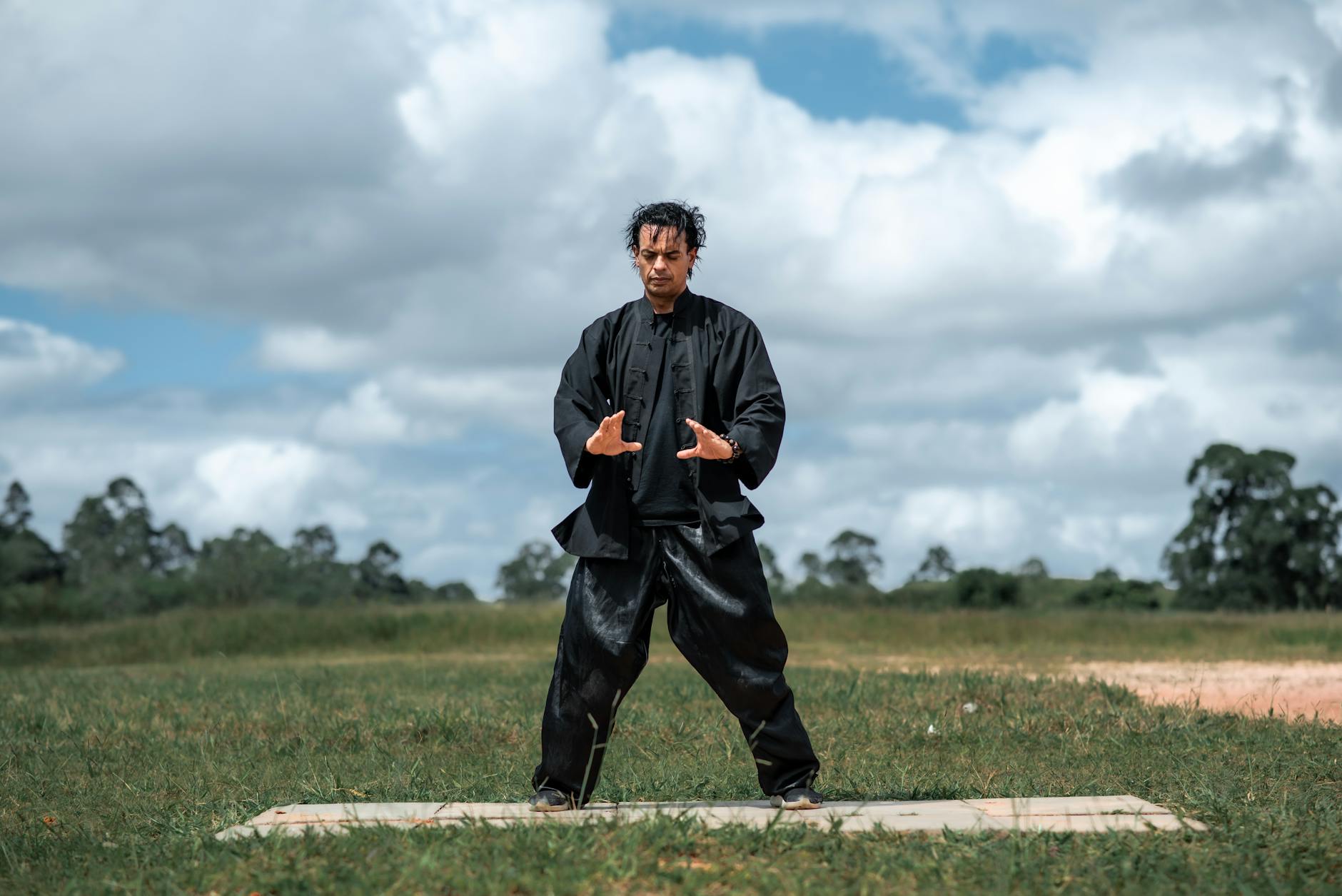
The research-supported protocol is straightforward: aim for three sessions per week of 30 to 60 minutes each, maintaining this practice for at least three months to see meaningful cognitive benefits. This commitment is comparable to standard medical recommendations for physical activity and fits within the typical time investment many people already dedicate to fitness or wellness. The accessibility of tai chi makes it particularly practical for older adults with cognitive concerns. Unlike high-intensity exercise that may strain joints or increase injury risk, tai chi is low-impact and builds strength and balance simultaneously. A person recovering from a joint injury, dealing with arthritis, or simply worried about falling can safely practice tai chi.
Compare this to recommendations that might suggest running or cycling, which carry higher injury risk in populations with balance concerns. Additionally, the meditative aspects of tai chi may help reduce the stress and anxiety that often accompany cognitive decline and memory worries. When starting out, work with an instructor, at least initially, who can ensure you’re learning movements correctly and safely. Many community recreation departments, senior centers, and adult education programs offer tai chi classes specifically designed for older adults. Some are even tailored to people with mild cognitive impairment or memory concerns. Online classes exist but lack the real-time feedback that’s valuable when learning a new physical practice.
Limitations and Important Caveats
While the dementia risk reduction shown in studies is impressive, several important caveats deserve mention. The research showing dramatic differences between tai chi and traditional exercise groups is relatively recent, and while the methodology was rigorous, studies involving 304 participants are valuable but not enormous by research standards. Larger, longer-term follow-up studies will provide even stronger evidence about whether these benefits persist over decades. Additionally, we cannot yet determine whether tai chi works through its specific movements, its meditative components, the social engagement of group classes, or simply the commitment to consistent physical activity. Tai chi is not inert—it requires real effort, regular attendance, and mental engagement.
Some of its benefits might come from any exercise program that demands equal consistency and cognitive engagement. For people resistant to tai chi specifically, other forms of moderate-intensity exercise combined with cognitive challenge might offer comparable benefits, though this hasn’t been directly tested. A crucial limitation: tai chi has not been shown to reverse dementia that is already present. The research focuses on slowing or preventing progression in people with mild cognitive impairment. If someone already has moderate or advanced dementia, tai chi remains a worthwhile physical activity for general health and balance, but different interventions are needed for cognitive benefit.

The Role of Community and Consistency
One often-overlooked aspect of tai chi’s effectiveness is the community element. Most people practice tai chi in group settings—classes, clubs, or community programs. This social engagement itself has been shown to reduce cognitive decline and dementia risk. Older adults who maintain strong social connections and participate in group activities experience better cognitive outcomes than isolated individuals.
When you commit to attending a weekly tai chi class, you’re gaining not only the physical and cognitive benefits of the practice itself but also the cognitive stimulation of social interaction and the emotional benefits of community connection. This social dimension also improves consistency. When you’ve committed to showing up at a specific time and place and you know your classmates expect you, you’re far more likely to maintain the three-times-weekly practice schedule the research shows is necessary. Practicing tai chi alone at home, while possible, lacks these accountability and social reinforcement mechanisms that make long-term adherence more likely.
The Future of Tai Chi in Dementia Prevention
As dementia becomes increasingly common with aging populations worldwide, the emphasis on prevention becomes ever more critical. Current medical treatments for dementia are limited in their effectiveness, particularly in early stages, which makes prevention and progression-slowing interventions like tai chi particularly valuable.
Research is expanding to understand not just whether tai chi works, but how to optimize it, how to bring it to underserved populations, and how it compares to other combinations of physical activity and cognitive engagement. The evidence emerging today suggests we may be on the cusp of broader integration of tai chi and similar practices into standard medical recommendations for people concerned about cognitive decline. As health systems increasingly recognize the limitations of pharmaceutical approaches, non-pharmaceutical interventions with this level of supporting evidence—showing 75 percent reductions in dementia progression—will likely become more prominent in dementia prevention guidelines.
Conclusion
Current research demonstrates that tai chi can substantially reduce the risk of dementia progression in older adults with mild cognitive impairment, with studies showing that participants practicing tai chi at least three times weekly had dramatically lower rates of progression to dementia compared to those doing conventional exercise. While the precise percentage reduction varies by study, the effect is substantial enough to warrant serious consideration as a preventive strategy for anyone concerned about cognitive decline.
The practice combines physical activity, mental engagement, balance training, and social connection—multiple pathways through which it may protect the brain and slow cognitive aging. If you’re experiencing memory concerns or have been diagnosed with mild cognitive impairment, discussing tai chi with your healthcare provider is worthwhile. Starting a practice requires finding a local class and committing to consistent attendance, but the research suggests this investment may yield substantial long-term benefits for your cognitive health and independence.
You Might Also Like
- yoga Could Reduce Dementia Risk by 28 Percent New Study Shows
- walking 30 minutes daily Could Reduce Dementia Risk by 52 Percent New Study Shows
- aerobic exercise Could Reduce Dementia Risk by 52 Percent New Study Shows
For more, see Alzheimer’s Association — clinical trials.